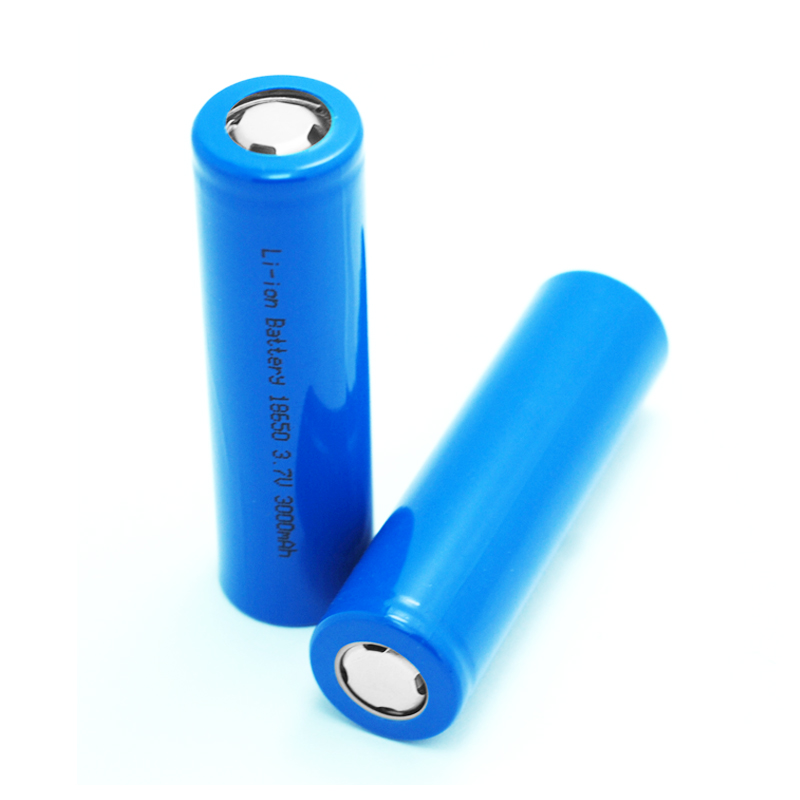
❓ 18650, 14500, or 16340: Which Battery Size Fits Best?
📌 Abstract
Choosing between 18650 14500 16340 battery formats is a design decision that affects runtime, current capability, and thermal safety. This guide compares 14500 battery vs 18650, clarifies battery 14500 vs 18650 trade-offs, and explains how 18650 vs 16340 differs in real electrical behavior—not just dimensions.
🔋 What Are the Physical Differences Between 14500, 16340, and 18650?
All three are cylindrical lithium-ion cells, but size dictates usable energy.
| Battery Type | Diameter | Length |
|---|---|---|
| 14500 | 14 mm | 50 mm |
| 16340 | 16 mm | 34 mm |
| 18650 | 18 mm | 65 mm |
Direct conclusion:
More volume equals more active material—and more margin.
⚙️ How Does 14500 Battery vs 18650 Perform Electrically?
Comparing 14500 battery vs 18650 under load reveals clear differences:
-
14500 cells heat up faster
-
18650 cells sustain higher current
-
Voltage sag appears earlier in smaller formats
Same chemistry. Very different behavior.
🔥 18650 vs 16340: Why Size Changes Everything
In 18650 vs 16340, the gap is not subtle:
-
16340 cells prioritize compactness
-
18650 cells prioritize stability and runtime
-
Thermal headroom is dramatically different
Short cells struggle with sustained discharge.
🧪 Typical Capacity and Current Ranges
| Format | Capacity Range | Typical Use |
|---|---|---|
| 14500 | 600–1000mAh | Compact electronics |
| 16340 | 500–800mAh | Small flashlights |
| 18650 | 2000–3500mAh | Power & energy systems |
Engineering note:
Current rating scales poorly as cells shrink.
🧠 Engineer’s Selection Guide: Battery 14500 vs 18650 vs 16340
🔦 Choose 14500 If:
-
Device size is constrained
-
Load is light and intermittent
-
Runtime is secondary
🔋 Choose 16340 If:
-
Ultra-compact form is required
-
Discharge current is minimal
-
Heat dissipation is managed
⚡ Choose 18650 If:
-
Continuous load is expected
-
Runtime matters
-
Thermal stability is critical
Engineering rule:
Battery format should follow load profile, not convenience.
⚠️ Common Mistakes When Comparing These Batteries
❌ Assuming same voltage means same capability
❌ Replacing 18650 with 14500 without derating
❌ Ignoring temperature rise in small enclosures
❌ Using incorrect chargers across formats
❌ Mixing sizes in multi-cell systems
Industry truth:
Most failures start with size substitution.
❓ FAQ – 18650, 14500, and 16340 Batteries
Q1: Can a 14500 replace an AA battery?
Physically sometimes, electrically often no.
Q2: Is 16340 interchangeable with CR123A?
Voltage differences make this risky without confirmation.
Q3: Which lasts longest under load?
18650, by a wide margin.
Q4: Are chargers interchangeable?
Only if they support the specific cell size and chemistry.
📞 CTA – Choose the Right Battery Format with Confidence
Need help deciding between:
-
18650 14500 16340 battery formats
-
Compact vs high-runtime designs
-
Safe replacements and compatibility
👉 Contact us for expert guidance on selecting the right lithium-ion battery size.
Related Articles
What is the MOQ for custom 18650 battery orders?
What Makes Li-Ion Batteries 18650 the Industry Standard Today?
Is a 3000mAh 35A 18650 Battery Realistic for DIY Battery Packs?
How can I verify the consistency of a batch of 18650 cells?