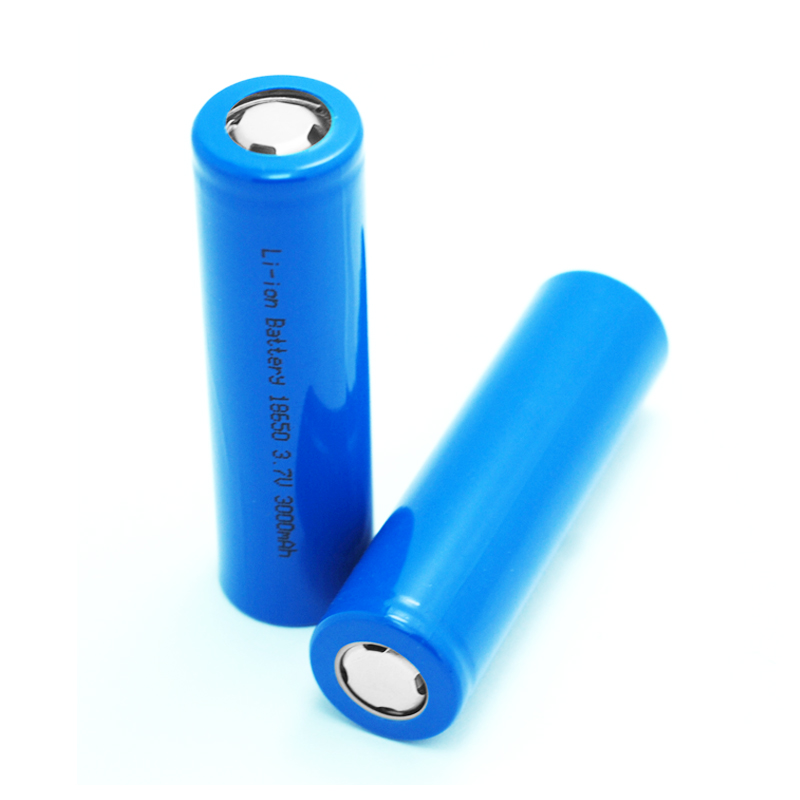
❓ 26650 vs 18650: Which Battery Offers Better Performance for Your Device?
📌 Abstract
Choosing between 26650 vs 18650 batteries requires understanding 18650 vs 26650 performance, 26650 battery vs 18650 size, and application-specific needs. This guide covers energy capacity, discharge rates, physical dimensions, and engineer recommendations, helping you select the right battery for high-drain devices, DIY packs, or portable tools while avoiding common mistakes.
🔋 26650 vs 18650: Physical and Electrical Differences
| Feature | 18650 | 26650 |
|---|---|---|
| Diameter × Length | 18 × 65 mm | 26 × 65 mm |
| Typical Capacity | 2000–3500mAh | 4000–6000mAh |
| Max Continuous Discharge | 10–20A | 15–30A |
| Energy Density | 250–270 Wh/kg | 220–250 Wh/kg |
| Weight | ~45–50g | ~70–90g |
Direct conclusion:
26650 batteries provide higher capacity and discharge capability, while 18650 excels in compactness and modular pack design.
⚙️ 18650 vs 26650 Performance Comparison
-
High-drain applications: 26650 cells handle higher currents with lower voltage sag
-
Energy-dense packs: 18650 packs allow flexible series-parallel configurations to reach voltage and capacity targets
-
Thermal management: 26650 generates more heat due to larger cell mass; requires adequate spacing or cooling
-
Cycle life: 18650 often achieves more consistent cycles under moderate discharge, 26650 excels under low-to-moderate load due to lower stress per unit capacity
Engineer insight:
For e-bikes, flashlights, and portable power stations, 26650 is preferred for runtime and discharge, but 18650 offers modularity and lighter weight.
📏 26650 Battery vs 18650 Size Considerations
-
26650: 26 mm diameter, 65 mm length
-
18650: 18 mm diameter, 65 mm length
-
Implication: Device holders, flashlights, and DIY packs must be redesigned to accommodate 26650 cells
-
Volume vs weight: 26650 cells occupy ~50% more space and weigh ~40–60% more than 18650
Tip:
Always check device clearance before swapping 18650 for 26650.
🧠 Engineer’s Selection Advice
-
Device fit: Ensure housing accommodates larger 26650 diameter
-
Current needs: Match continuous discharge rating to load; avoid overestimating 18650 capacity in high-drain setups
-
Pack design: 18650 packs allow precise voltage/capacity tuning, while 26650 reduces total cell count for same energy
-
Thermal strategy: Larger cells require heat dissipation consideration in enclosures
Direct tip:
Never mix 18650 and 26650 cells in the same series-parallel pack; voltage and internal resistance mismatch causes uneven cycling.
⚠️ Common Misconceptions
❌ “26650 always outperforms 18650” – depends on current and pack configuration
❌ “18650 can always replace 26650 in the same device” – physical clearance and thermal issues
❌ “Higher mAh means higher output current safely” – internal resistance and CDR are limiting factors
❌ “Cycle life is independent of load” – higher discharge rates reduce lifespan
❌ “Weight difference is negligible” – important for handheld or portable devices
❓ FAQ – 26650 vs 18650
Q1: Can 18650 replace 26650 in high-drain flashlights?
Only if total capacity and CDR requirements are met; may require parallel cells.
Q2: Why are 26650 cells preferred in e-bikes?
Larger capacity and higher discharge capability allow longer runtime with fewer cells.
Q3: How do 18650 and 26650 compare in DIY power banks?
18650 is more flexible in series-parallel arrangement; 26650 reduces total cell count but requires bigger enclosure.
Q4: Are 26650 cells heavier?
Yes, typically 70–90g per cell versus ~45–50g for 18650.
📞 CTA – Engineer-Approved Battery Selection
Looking for:
-
Reliable 26650 battery vs 18650 comparison
-
Guidance on 18650 vs 26650 performance
-
Sourcing 18650 26650 cells for DIY or high-drain packs
-
Safe, engineer-approved 26650 battery vs 18650 size pack integration
👉 Contact us for expert recommendations on optimal battery selection for your device.
Related Articles
What Causes an 18650 Battery to Lose Capacity Quickly?
How do you safely dispose of damaged 18650 batteries?