How Do You Calculate Runtime for an 18650 Battery Pack?
🔋 Abstract
Runtime estimation for a lithium battery pack is not guesswork, and it is not as simple as dividing capacity by load. For an 18650 battery pack, real runtime depends on discharge current, pack topology, voltage window, efficiency losses, and cutoff behavior. This guide explains how engineers calculate runtime using an 18650 battery pack calculator, how 18650 battery discharge current reshapes usable energy, and why nominal values on a rechargeable battery 18650 rarely match field results.
⚡ Step One: Define Pack Configuration
Before calculations, identify:
-
Series count (voltage)
-
Parallel count (capacity)
-
Cell chemistry and nominal capacity
Example:
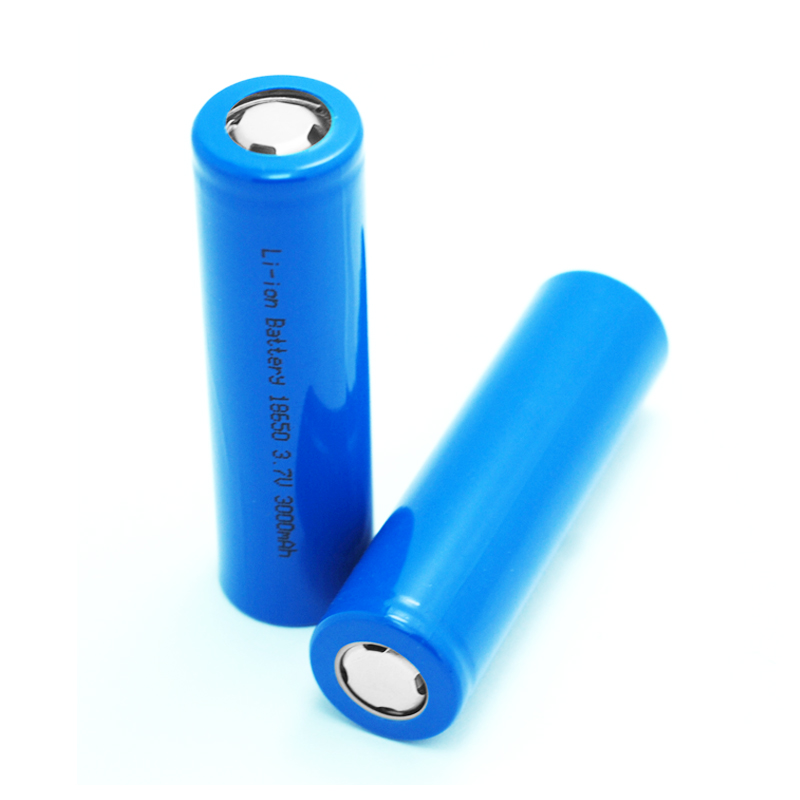
A 3S4P 18650 battery pack module built with 3000 mAh cells.
This defines theoretical energy, not usable runtime.
🔢 Step Two: Calculate Pack Capacity
Parallel cells add capacity.
-
3000 mAh × 4P = 12,000 mAh (12 Ah)
-
Nominal pack voltage: 3S × 3.7 V = 11.1 V
Energy = 11.1 V × 12 Ah ≈ 133 Wh
This is the starting point.
🔌 Step Three: Account for Discharge Current
Runtime is load-dependent.
High 18650 battery discharge current causes:
-
Voltage sag
-
Increased internal losses
-
Early cutoff
A pack rated at 12 Ah may deliver only 9–10 Ah at high current.
Direct conclusion:
👉 Current defines usable capacity, not the label.
📉 Step Four: Apply Efficiency & Cutoff Losses
Real systems lose energy to:
-
BMS MOSFET resistance
-
Wiring and connectors
-
DC-DC converters
Typical system efficiency: 85–92%
Usable energy = 133 Wh × 0.9 ≈ 120 Wh
⏱️ Step Five: Calculate Runtime
If the load draws:
-
60 W continuous
Runtime ≈ 120 Wh ÷ 60 W = 2 hours
This is how professional 18650 battery pack calculators operate—stepwise, not magically.
🧪 Why Lab Tests Differ from Reality
Datasheet discharge curves assume:
-
Controlled temperature
-
Constant current
-
Ideal cutoff conditions
Real rechargeable battery 18650 packs operate dynamically. Expect variance.
🧠 Engineer’s Selection Advice
From a system design perspective:
-
Size packs for peak current, not average
-
Avoid operating near cutoff voltage
-
Include runtime margin (≥20%)
-
Validate runtime with real load testing
-
Treat calculators as estimators, not guarantees
Runtime is engineered, then verified.
⚠️ Common Runtime Calculation Mistakes
-
Ignoring discharge current effects ❌
-
Using nominal capacity as usable capacity ❌
-
Forgetting system efficiency losses ❌
-
Assuming constant load ❌
-
Designing with zero margin ❌
Every mistake shortens real runtime.
❓ FAQ: 18650 Battery Pack Runtime
Q: Can I calculate runtime using only mAh?
A: No. Voltage and load power are equally important.
Q: Do battery pack modules simplify runtime estimation?
A: They help standardize parameters but still require load analysis.
Q: Does higher capacity always mean longer runtime?
A: Only if discharge current stays within optimal range.
Q: How accurate are online 18650 battery pack calculators?
A: Useful for estimates, not for final design decisions.
📦 CTA: Need Accurate Runtime Estimates for Your 18650 Pack?
If you’re designing or selecting an 18650 battery pack module and need validated runtime calculations based on real discharge current and system losses, our engineering team can support modeling, testing, and optimization.
Related Articles
How to Choose a Reliable 18650 3500mAh Battery for High-Performance Packs?
How to Choose the Best 18650 Battery for Vaping Devices?
Why Choose Samsung 35E 18650 Battery for High-Capacity Applications?
Why Choose Samsung 25R 18650 Battery for High-Drain Applications?