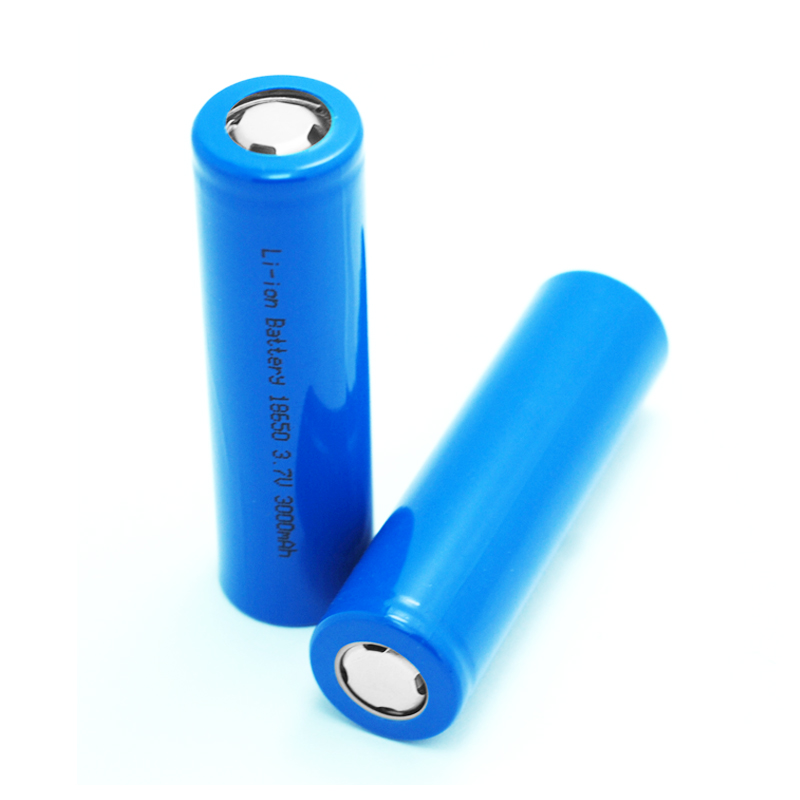
Why Does an 18650 Battery Get Hot During Use?
🌡️ Abstract
Heat generation in lithium cells is not accidental—it is a direct result of electrochemical and electrical losses. When an 18650 battery operates outside its optimal 18650 battery operating temperature, internal resistance rises, degradation accelerates, and safety margins shrink. This article explains why 18650 cells heat up during discharge and charging, how 18650 temperature range limits are defined, what 18650 max temperature really means in practice, and why improper 18650 charging temperature control is one of the most common causes of early cell failure.
🔋 Normal Heat Generation Inside an 18650 Cell
All lithium-ion cells generate heat.
Primary sources include:
-
Ohmic (I²R) losses
-
Electrochemical polarization
-
Side reactions at high current
Conclusion upfront:
👉 Warm cells are normal. Hot cells are not.
⚡ High Discharge Current and Internal Resistance
As load current increases, heat rises exponentially.
Key points:
-
Internal resistance increases with age
-
Voltage sag converts energy into heat
-
Parallel imbalance concentrates current in fewer cells
A pack that ran cool when new may overheat after 300 cycles.
🌡️ Exceeding the 18650 Battery Operating Temperature
Most manufacturers specify:
-
Discharge: ~-20°C to 60°C
-
Charging: narrower and stricter
Operating beyond the rated 18650 battery operating temperature accelerates electrolyte breakdown and gas generation.
Thermal stress compounds over time.
🔥 What Is the Real 18650 Temperature Range?
The 18650 temperature range is not a comfort zone—it’s a survival boundary.
Engineers distinguish:
-
Recommended temperature window
-
Allowable temperature limits
-
Absolute safety cutoff
Designing near the upper limit guarantees reduced lifespan.
🚨 Understanding 18650 Max Temperature
The published 18650 max temperature often reflects:
-
Short-term tolerance
-
Controlled lab conditions
In real packs:
-
Hot spots exceed measured averages
-
Sensors lag actual core temperature
Cells rarely fail at the reported max—packs fail because of localized overheating.
🔌 Charging as a Major Heat Source
🔋 Improper 18650 Charging Temperature
Charging outside the allowed 18650 charging temperature range causes:
-
Lithium plating
-
Elevated internal pressure
-
Permanent capacity loss
Cold charging is as dangerous as hot charging.
⚠️ High Charge Rates
Fast charging increases:
-
Anode overpotential
-
Internal heating
-
Long-term degradation
Charging heat is often underestimated in pack design.
🧠 Engineer’s Design & Selection Advice
From a thermal management standpoint:
-
Design packs to stay below 45°C in normal use
-
Avoid relying solely on surface temperature sensing
-
Space cells to reduce thermal coupling
-
Derate current at elevated ambient temperatures
-
Validate with thermal imaging, not assumptions
Thermal margin equals lifespan.
❌ Common Misconceptions About 18650 Heating
-
“If it’s below max temperature, it’s safe”
-
“Only discharge causes heating”
-
“Higher capacity cells run cooler”
-
“BMS alone prevents overheating”
All are incomplete—and sometimes dangerous—assumptions.
❓ FAQ: 18650 Battery Temperature Behavior
Q: Is it normal for an 18650 battery to feel warm?
A: Yes, mild warmth is expected during moderate discharge.
Q: What temperature is considered too hot?
A: Sustained temperatures above ~60°C indicate a serious issue.
Q: Can charging temperature affect cycle life?
A: More than discharge temperature in many cases.
Q: Why do some cells heat faster than others?
A: Variations in internal resistance and aging.
📞 CTA: Need Help Managing 18650 Thermal Performance?
If your application involves high current, fast charging, or dense 18650 battery pack layouts, our engineers can help assess thermal risk, operating temperature margins, and cell selection before failures occur.
Related Articles
How to Build a Safe and Efficient 18650 DIY Power Bank?
Are 18650 Batteries Environmentally Friendly?
Will 18650 batteries be phased out in the future?
Can 18650 Batteries Be Refurbished or Repurposed?
Why Choose Samsung 30Q 18650 for High-Performance Packs?
CR123A vs 18650: Which Battery Fits Your Application Best?
How to Choose a Reliable 18650 3500mAh Battery for High-Performance Packs?