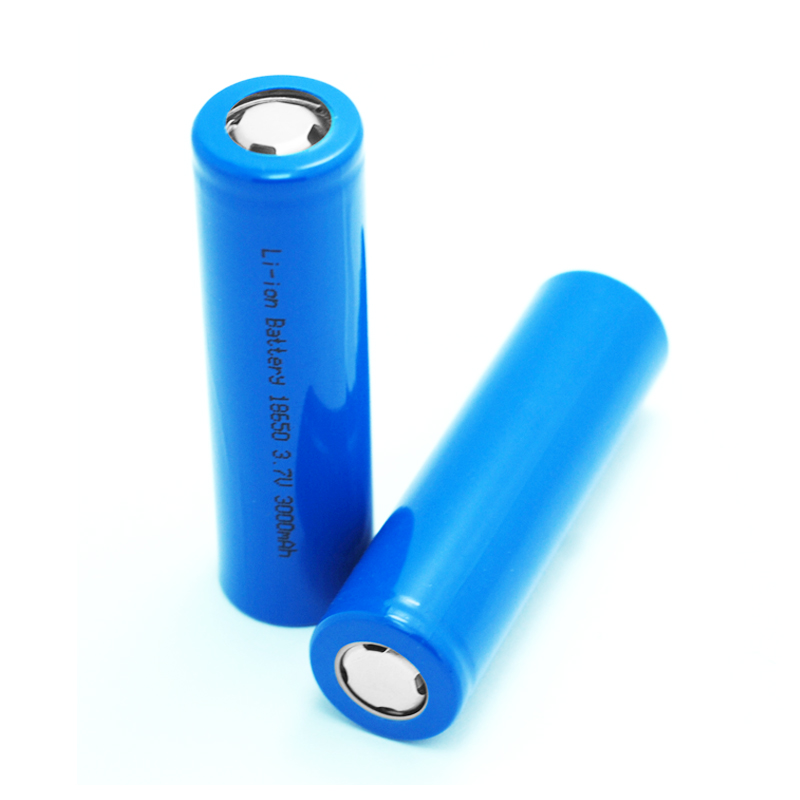
Can Water Damage an 18650 Battery?
💧 Abstract
Yes—water can permanently damage a 3.7V 18650 battery, even without visible corrosion. Moisture intrusion compromises insulation, accelerates internal corrosion, and can trigger latent failures that only appear during charging or high load. This page explains how water affects a battery cell type 18650, how to identify a bad 18650 battery, what engineers look for in post-exposure evaluation, and when disposal is the only safe option.
🌊 How Water Interacts With an 18650 Cell
A sealed batteria 18650 is not waterproof. The crimp seal, vent, and positive cap insulation are all vulnerable.
Once water enters:
-
Electrolyte contamination increases internal resistance
-
Copper and aluminum current collectors corrode
-
Micro-shorts form across the separator
-
Self-discharge accelerates
Direct conclusion:
👉 A wet 18650 is electrically unstable, even if it still shows 3.7V at rest.
⚡ Electrical Risks After Water Exposure
-
Sudden voltage drop under load
-
Abnormal heating during charge
-
Inconsistent capacity readings
-
Failure of CID or vent mechanisms
Many users misjudge risk because the 3.7V 18650 battery appears “normal” on a multimeter.
🔍 How to Tell If an 18650 Is Bad After Water Contact
Engineers never rely on voltage alone. A bad 18650 battery often shows subtle indicators:
-
🔥 Temperature rise during low-current charging
-
⚡ Voltage sag >300mV at moderate load
-
🧪 White residue or rust near the positive cap
-
⏱ Rapid self-discharge over 24–72 hours
-
📉 Capacity loss exceeding 15–20%
If two or more symptoms appear, the cell is unsafe.
🧯 Safety Hazards You Should Not Ignore
Water-damaged battery cell type 18650 failures are delayed, not immediate:
-
Internal shorts may occur days later
-
Thermal runaway risk increases during charging
-
Pack-level failures can propagate from one compromised cell
Conclusion engineers agree on:
👉 Never integrate a previously wet cell into a battery pack.
🛠️ Engineering Selection Advice
From a design and QA perspective:
-
Specify cells with reinforced top-cap insulation
-
Avoid reclaiming cells from unknown or humid environments
-
Use IP-rated enclosures, not “sealed cells,” for moisture protection
-
Design packs assuming one-cell failure containment
For outdoor or marine use, cylindrical Li-ion is acceptable only with strict enclosure control.
❌ Common Misconceptions
-
“Drying the battery fixes it” → internal corrosion continues
-
“It still charges, so it’s fine” → false sense of safety
-
“Only saltwater is dangerous” → freshwater still conducts
-
“Low-voltage cells are safer when wet” → shorts are load-independent
❓ FAQ: Water and 18650 Batteries
Q: Can a wet 18650 battery be reused after drying?
A: No. Drying does not reverse internal chemical damage.
Q: How long after exposure can failure occur?
A: Anywhere from minutes to several weeks, especially during charging.
Q: Is a partially submerged cell less dangerous?
A: No. Capillary action can pull moisture into the seal.
Q: Should I test a wet cell before disposal?
A: No load or charge testing is recommended—dispose safely.
📞 CTA: Need Help Evaluating Exposed 18650 Cells?
If you’re dealing with batteria 18650 stock exposed to moisture, our engineers can assist with failure analysis, rejection criteria, and safer replacement strategies for compliant battery systems.
Related Articles
Can an 18650 battery be reused after deep discharge?
What Should I Do If an 18650 Battery Swells?