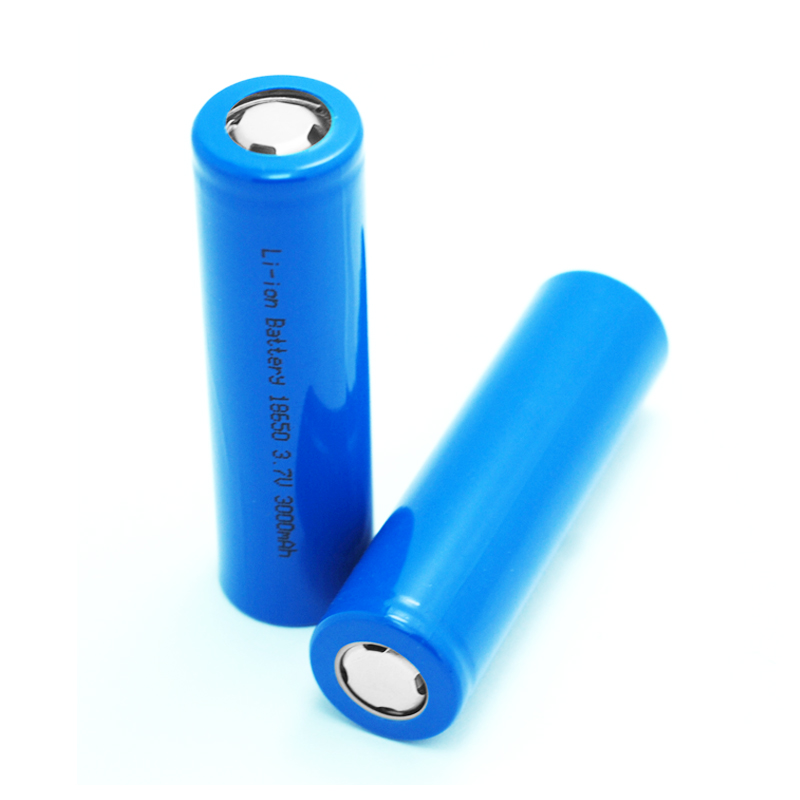
What Is the Recycling Process for 18650 Batteries?
♻️🔋 Abstract
The recycling process for 18650 batteries is a controlled industrial workflow designed to neutralize risk and recover valuable metals. Because 18650 cells store energy even when “dead,” how to recycle 18650 batteries safely depends on discharge control, material separation, and regulatory compliance. This page explains how professionals recycle 18650, what actually happens inside recycling plants, and why recycled 18650 batteries are handled very differently from consumer waste.
⚠️ Why 18650 Batteries Require Specialized Recycling
An 18650 cell is not scrap metal.
Direct conclusion:
👉 Every lithium-ion cell is treated as hazardous until fully processed.
Key hazards before recycling:
-
Residual voltage
-
Flammable electrolyte
-
Short-circuit risk during handling
This is why landfill disposal is prohibited in most regions.
🔋 Step 1: Collection & Pre-Sorting
📦 Controlled Intake
Facilities separate:
-
Loose cells
-
Battery packs
-
Damaged or swollen units
Damaged 18650s are isolated first—they drive most recycling fires.
🔌 Electrical Neutralization
Before mechanical processing:
-
Cells are discharged under load
-
Some systems use salt baths or resistive banks
No cell enters shredding with usable voltage.
🧱 Step 2: Mechanical Processing
⚙️ Shredding Under Inert Conditions
Cells are shredded in:
-
Nitrogen or CO₂ atmospheres
-
Temperature-controlled chambers
This prevents ignition during casing rupture.
🧲 Physical Separation
Recovered fractions include:
-
Steel can material
-
Aluminum and copper foils
-
Black mass (active materials)
This is where most 18650 recycling value is created.
🧪 Step 3: Chemical Refining
🔬 Hydrometallurgical Treatment
Black mass is processed to extract:
-
Nickel
-
Cobalt
-
Manganese
-
Lithium compounds
Modern plants favor hydromet routes due to lower emissions.
🔄 What Happens to Recycled 18650 Batteries
Recovered materials are reused in:
-
New battery cathodes
-
Industrial alloys
-
Non-battery chemical applications
Cells themselves are not reused—only materials are.
🌍 Regulatory Oversight
Recycling is regulated by:
-
EU Battery Regulation
-
EPA and state programs (US)
-
Extended Producer Responsibility (EPR) schemes
Compliance determines who is legally allowed to recycle 18650 batteries.
🧠 Engineer’s Perspective: Designing for Recycling
Engineers influence recyclability by:
-
Avoiding unnecessary adhesives
-
Selecting standard cell formats
-
Documenting chemistry clearly
Key insight:
👉 Recycling efficiency is designed upstream.
🛠️ Selection Advice for Sustainable Projects
When planning products using 18650 cells:
-
Choose chemistries with established recycling streams
-
Partner with certified recyclers early
-
Budget recycling cost as part of lifecycle
Sustainability is not an afterthought.
❌ Common Recycling Misconceptions
-
“Dead batteries are safe” → False
-
“Cells can be reused after recycling” → False
-
“All recyclers process lithium” → False
-
“Household recycling accepts 18650s” → False
Most incidents come from improper drop-off.
❓ FAQ: Recycling 18650 Batteries
Q: How do I recycle 18650 batteries safely?
A: Use certified battery recyclers or take-back programs.
Q: Can 18650 batteries be recycled at home?
A: No. Industrial equipment is required.
Q: Are recycled 18650 batteries reused as cells?
A: No. Only raw materials are recovered.
Q: Is recycling mandatory?
A: In many regions, yes.
📣 CTA: Need Certified Recycling for 18650 Batteries?
We connect businesses with approved 18650 recycling partners, ensuring safe handling, regulatory compliance, and documented material recovery.
Related Articles
What causes capacity variation between batches?
Can 18650 batteries be customized for voltage or capacity?
What documentation should be included with bulk 18650 shipments?