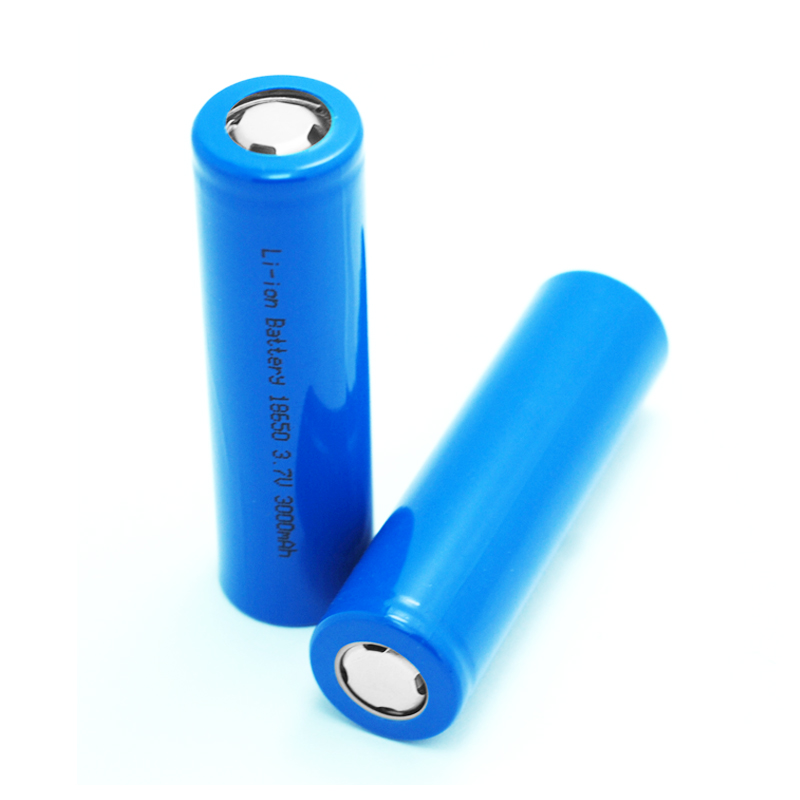
Which Side is Positive 18650?
🔋 Understanding 18650 Battery Terminals
When dealing with 18650 batteries, knowing which end is positive is critical for both safety and device performance. A standard 18650 lithium-ion battery features a flat negative terminal and a raised positive terminal, making it easy to distinguish visually. Misidentifying the terminals can lead to device failure, short circuits, or even fire hazards.
The positive terminal is usually marked with a “+” symbol and has a slightly domed top, while the negative terminal is flat and sometimes marked with a “–” sign. For engineers and electronics enthusiasts, confirming terminal polarity is the first step before integrating 18650 cells into a battery pack.
⚡ Key Terms for Reference:
-
18650 battery negative and positive – highlights the importance of terminal identification.
-
18650 battery which end is positive – a frequent query in consumer electronics forums.
-
18650 positive terminal – essential for correct insertion in devices or holders.
🔧 How to Identify 18650 Terminals
-
Visual Inspection – Look for a flat side (negative) versus a raised dome (positive).
-
Markings – Most OEM batteries include “+” and “–” symbols.
-
Battery Datasheet – Manufacturer datasheets provide precise terminal orientation and polarity.
-
Multimeter Test – For older or unmarked cells, measuring voltage with a multimeter ensures correct polarity before use.
⚠️ Engineer Tip: When designing battery packs, always account for polarity to prevent reverse connection, which can damage the battery management system (BMS).
🛠 Common Applications for 18650 Batteries
18650 batteries are widely used due to their high energy density and longevity:
-
Electric vehicles (EVs)
-
Flashlights and high-drain devices
-
Power banks
-
DIY battery packs and robotics
Correct identification of the positive terminal ensures safe and optimal performance across all applications.
❌ Common Misconceptions and Mistakes
-
Misplacing polarity in holders – Users sometimes insert the battery backward; even momentary reversal can trigger overcurrent protection or device failure.
-
Assuming uniform shape – Some 18650 cells have slightly different dome heights; always verify visually and with a datasheet.
-
Using damaged cells – Batteries with worn labels or dents can obscure positive/negative terminals and create safety hazards.
-
Mixing brands in series packs – Different internal resistances can cause uneven discharge, leading to battery overheating.
🧰 Selection Recommendations (Engineer’s Perspective)
When choosing 18650 batteries for a project:
-
Check Capacity & Discharge Rate – Match the device’s current draw with the battery’s maximum continuous discharge (A).
-
Examine Physical Consistency – Ensure uniform positive terminal domes and flat negatives to avoid misalignment in series packs.
-
Brand Reliability – Opt for well-known OEMs like Samsung, LG, or Panasonic.
-
Protection Circuits – For DIY packs, choose cells with integrated PCM or pair with a BMS.
-
Temperature Tolerance – High-drain applications require batteries rated for elevated temperatures.
✅ Pro Tip: Engineers often use color-coded holders or polarity indicators to prevent installation mistakes in multi-cell packs.
❓ FAQ – 18650 Battery Polarity
Q1: Can I insert a 18650 battery backward?
A1: Most modern devices include reverse-polarity protection, but inserting backward repeatedly can damage the device or the battery.
Q2: Is the domed end always positive?
A2: In standard 18650 cells, yes, the raised dome is the positive terminal. Always verify with markings or datasheets for non-standard cells.
Q3: How do I safely test terminal polarity?
A3: Use a multimeter in DC voltage mode. Red probe on positive, black on negative; a correct reading confirms orientation.
Q4: Can I mix different brands of 18650 cells in a pack?
A4: Mixing brands or capacities is discouraged, as differences in internal resistance may cause imbalance, heat, or premature wear.
📣 Call to Action
Ensure your devices and DIY battery packs are safe and efficient. Verify your 18650 battery positive terminal before every use, select high-quality OEM cells, and consider professional-grade holders or BMS integration for multi-cell setups. Browse our curated selection of trusted 18650 batteries for unmatched reliability and performance.
Related Articles
What Failure Modes Should Be Considered in 18650 Pack Design?
What happens if 18650 batteries are short-circuited?
26650 vs 18650: Which Battery Offers Better Performance for Your Device?