How Do You Charge 18650 Batteries
🔋 Understanding 18650 Battery Charging
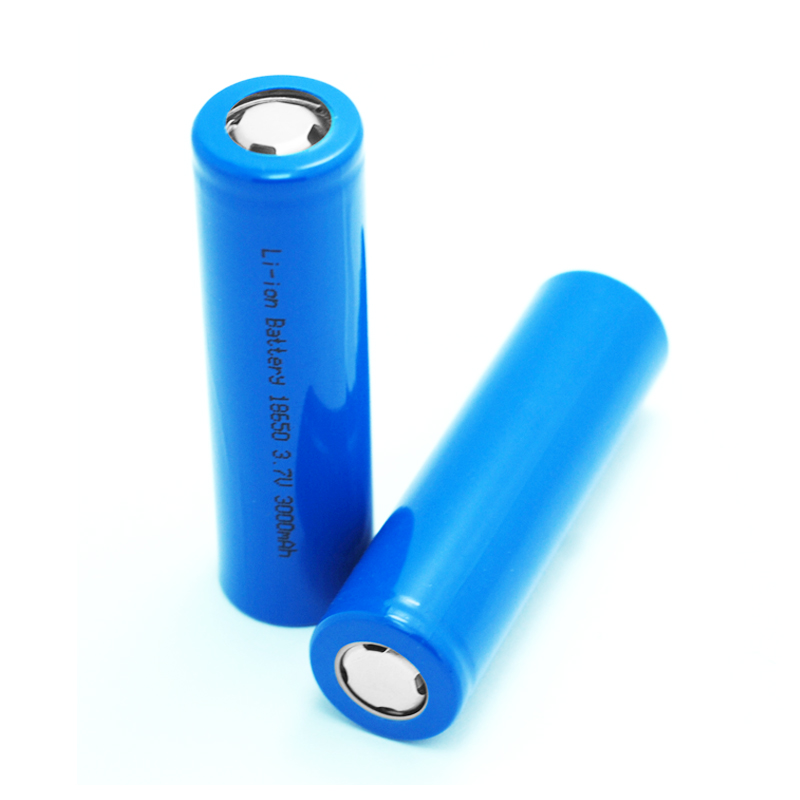
Charging a 18650 lithium-ion battery requires precision and adherence to safe practices. These cells are widely used in electronics, power tools, flashlights, and DIY battery packs due to their high energy density and long lifespan. Knowing how to charge 18650 batteries properly ensures safety, maximizes lifespan, and maintains performance.
A standard 18650 battery charges with a constant current/constant voltage (CC/CV) method. Most chargers automatically switch from high current to a stable voltage once the cell approaches full charge. Properly identifying battery polarity and using an appropriate charger are fundamental to avoid overcharging or damage.
⚡ Key Terms for SEO:
-
how to charge 18650 battery – covers the step-by-step charging process.
-
why won’t my 18650 battery charge – addresses common issues and troubleshooting.
-
18650 voltage charge – highlights safe voltage levels during charging.
-
18650 charge time – informs users about expected charging duration based on current and capacity.
🔌 Step-by-Step Guide: How to Charge 18650 Battery
-
Check the Battery Condition – Only charge undamaged cells with visible positive and negative terminals intact.
-
Select a Compatible Charger – Use chargers specifically designed for 18650 lithium-ion cells. Smart chargers with overcharge protection are recommended.
-
Insert Correctly – Match the positive terminal to the charger’s positive slot and the negative to negative.
-
Monitor Voltage and Current – Typical charging voltage: 4.2V maximum; charging current: 0.5C–1C of battery capacity. For a 2500mAh cell, 1C = 2.5A.
-
Allow Complete Charge – Stop charging when the current drops to near zero while the voltage is at 4.2V.
⚠️ Engineer Tip: Never leave batteries charging unattended. Consider using chargers with automatic cutoff to prevent overcharging and thermal runaway.
⏱ 18650 Charge Time
Charging time varies based on cell capacity and charger output:
-
Standard 0.5A charger – 2500mAh battery takes ~5 hours
-
High-speed 2A charger – same battery charges in ~1.5–2 hours
Overly fast charging may reduce battery life and increase heat generation. Always refer to manufacturer specifications for safe current limits.
❌ Common Reasons Why 18650 Batteries Won’t Charge
-
Polarity Reversal – Incorrect insertion in the charger prevents charging.
-
Dead or Damaged Cells – Overdischarged or physically damaged batteries may not accept a charge.
-
Incompatible Charger – Using a non-lithium charger may result in no current flow.
-
Battery Protection Circuit Activation – Some protected cells stop charging if overcurrent or overtemperature is detected.
🔧 Selection Recommendations (Engineer’s Perspective)
When choosing 18650 batteries for repeated charging cycles:
-
Capacity and Discharge Rating – Select cells that match your device’s current requirements. High-drain devices need high C-rate cells.
-
Protected vs Unprotected – Protected cells prevent overcharge, over-discharge, and short circuits, ideal for beginners or multi-cell packs.
-
Brand Reliability – Prefer OEM brands like Samsung, LG, or Panasonic for consistent voltage and cycle life.
-
Temperature Tolerance – For high-drain or fast-charging applications, ensure cells are rated for higher temperatures.
-
Matching Cells in Series/Parallel Packs – Voltage balance is critical; mismatched cells reduce overall pack efficiency.
✅ Pro Tip: Engineers often pre-test cells for capacity and internal resistance before building multi-cell packs to avoid imbalance and premature degradation.
🛠 Charging Safety Best Practices
-
Use a dedicated 18650 charger; never improvise with generic power adapters.
-
Avoid charging near flammable materials.
-
Charge on a non-conductive surface.
-
Regularly inspect batteries for swelling, leakage, or discoloration.
❓ FAQ – 18650 Battery Charging
Q1: Can I use a USB charger to charge 18650 batteries?
A1: Only if the USB charger is paired with a smart 18650 battery holder with proper voltage/current regulation. Direct charging may damage the battery.
Q2: What voltage should a 18650 battery reach when fully charged?
A2: 4.2V is the standard maximum voltage. Exceeding this risks overcharge and thermal issues.
Q3: Why does my 18650 battery lose charge quickly?
A3: Aging, over-discharge, or high-drain applications may cause voltage drop. Always match the cell’s C-rate to your device.
Q4: How long should I leave my 18650 charging?
A4: Charge until the current drops near zero while voltage is at 4.2V. Depending on capacity and charger, this may take 1.5–5 hours.
Q5: Is it safe to charge multiple 18650 batteries together?
A5: Only if using a charger designed for multi-cell charging with individual cell monitoring or a properly configured BMS.
📣 Call to Action
Charge your 18650 batteries safely with reliable, manufacturer-approved chargers. Maximize battery lifespan, prevent failures, and ensure efficient performance by following proper charging practices. Explore our premium 18650 chargers and OEM cells for ultimate safety and convenience.
Related Articles
18650 Li-Ion vs LiFePO4: Which Battery Fits Your Application?
What Is the Best 18650 Batteries for Vape High Drain?
Why Choose Sanyo NCR18650GA Battery for Reliable High-Performance Devices?
What Battery Can I Use Instead of 18650?
Where Can I Buy a 3.7V 18650 Battery?