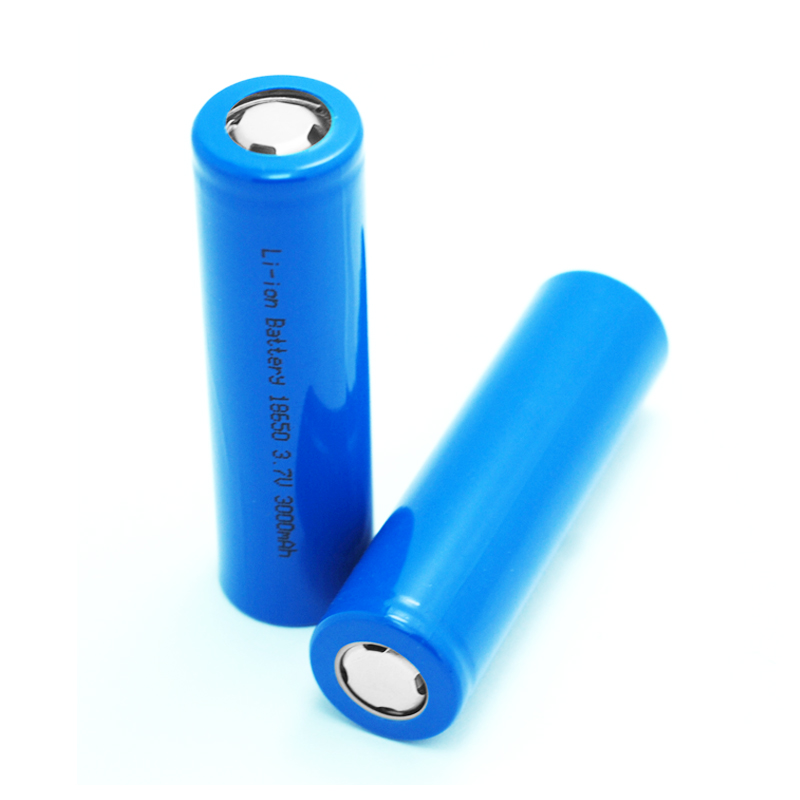
❓ 18650 Battery mAh Difference: How Many mAh Is a Real 18650 Cell?
📌 Abstract
The 18650 battery mAh difference is one of the most misunderstood topics in lithium-ion design. From marketing claims to lab-tested capacity, knowing 18650 cell mAh, understanding 18650 how many mAh is realistic, and using an accurate 18650 mAh tester directly affects runtime, safety, and pack longevity. This guide breaks down real-world capacity ranges, test methods, engineering trade-offs, and common misconceptions engineers see every day.
🔋 What Does “mAh” Really Mean for an 18650 Cell?
-
mAh (milliamp-hour) measures stored charge, not power
-
It indicates how long a cell can deliver a given current before reaching cutoff voltage
-
Capacity is always measured under specific test conditions
Direct conclusion:
A higher mAh 18650 does not automatically mean better performance if discharge rate, temperature, and internal resistance are ignored.
📊 18650 Cell mAh: Realistic Capacity Ranges
Typical genuine 18650 lithium-ion cells fall into these categories:
-
2000–2600mAh: high-drain cells (20–30A continuous)
-
2800–3000mAh: balanced cells for mid-drain applications
-
3200–3500mAh: energy-dense cells with limited discharge current
Engineering reality:
Claims above 3600mAh for standard 18650 form factor are not physically realistic with current commercial chemistry.
⚙️ Why 18650 Battery mAh Difference Exists
Several factors create noticeable capacity differences between cells:
🔹 Cathode chemistry (NMC vs NCA vs INR)
🔹 Electrode thickness trade-offs
🔹 Internal resistance optimization
🔹 Discharge current during testing
🔹 Cutoff voltage (2.5V vs 2.75V)
🔹 Temperature control
Key insight:
Two 18650 cells labeled “3000mAh” can differ by 8–12% in usable capacity depending on test protocol.
🧪 18650 How Many mAh Can You Actually Expect?
Under standard IEC testing:
-
Charge: 0.5C to 4.2V
-
Rest: 30 minutes
-
Discharge: 0.2C to 2.75V at 25°C
Results:
-
A “3000mAh” cell often delivers 2850–2950mAh
-
A “3500mAh” cell typically delivers 3350–3450mAh
Direct conclusion:
Rated mAh is a nominal value, not a guaranteed delivered capacity in real devices.
🔍 Measuring Capacity with an 18650 mAh Tester
An 18650 mAh tester is essential for validation and sorting.
Common tester types:
-
Dedicated battery analyzers
-
Charger-testers with discharge function
-
Programmable electronic loads
Best practices:
-
Always test at consistent discharge current
-
Use rest periods between charge and discharge
-
Record temperature during testing
-
Reject cells with >10% deviation in matched packs
Engineer note:
In pack assembly, consistency matters more than absolute mAh.
🔧 Engineer’s Selection Advice
When choosing based on mAh:
-
High-drain tools: prioritize current rating over mAh
-
Energy storage / power banks: higher mAh, lower discharge
-
Series packs: match mAh within ±5%
-
Parallel packs: match both mAh and internal resistance
Rule of thumb:
If your device draws more than 10A continuously, stop chasing maximum mAh.
⚠️ Common Misconceptions About 18650 mAh
❌ “Higher mAh means longer life in all devices”
❌ “mAh is the same as watt-hours”
❌ “All testers measure capacity accurately”
❌ “Rated capacity equals usable capacity”
❌ “Capacity loss only happens after many cycles”
❓ FAQ – 18650 Battery mAh
Q1: What is the maximum real mAh for an 18650 cell?
Currently around 3500mAh for reputable manufacturers.
Q2: Why do two 18650 cells with same rating test differently?
Manufacturing tolerances, aging, and test conditions.
Q3: Can I trust cheap 18650 mAh testers?
They are acceptable for comparison, not for certification-level accuracy.
Q4: Does higher mAh reduce discharge capability?
Yes. Higher capacity cells generally have lower maximum current.
Q5: How often should capacity be retested?
Every 100–150 cycles for critical applications.
📞 CTA – Validate Your 18650 Cell Capacity
Need help with:
-
Understanding 18650 battery mAh difference
-
Selecting correct 18650 cell mAh for your application
-
Verifying capacity using a proper 18650 mAh tester
-
Designing reliable lithium-ion packs
👉 Contact us for engineering-grade 18650 cell selection and testing support.
Related Articles
How do you charge 18650 batteries?
How should 18650 batteries be stored in warehouses?
What packaging is required for shipping loose 18650 cells?
What Is the HS Code for 18650 Lithium-Ion Batteries?