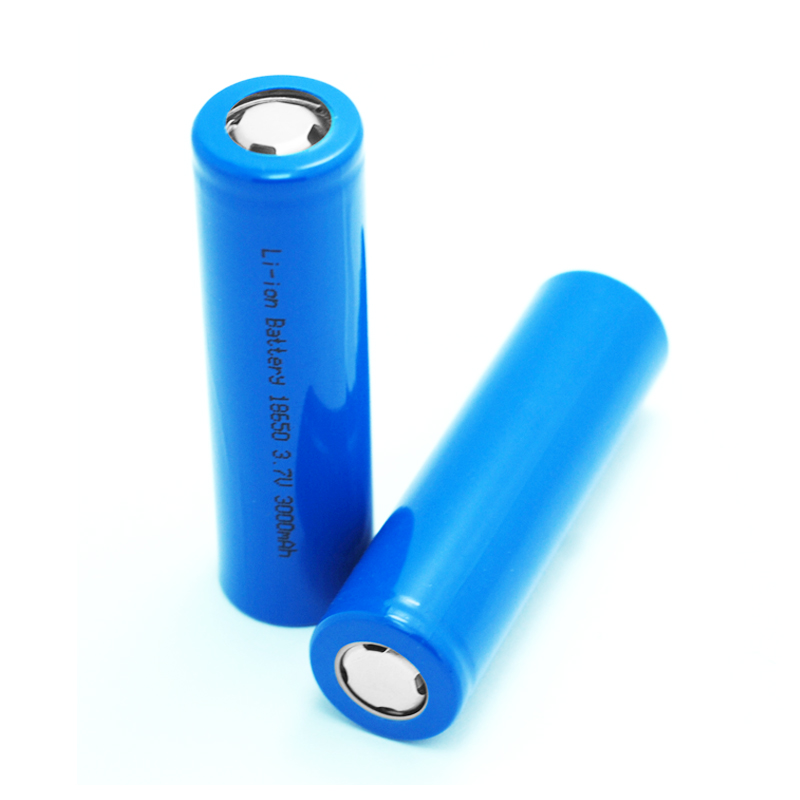
How to Discharge 18650 Battery
🔋 Abstract
Discharging a 18650 Li-ion battery is not simply “using it until it’s empty.” Controlled discharge determines cycle life, thermal safety, and real-world performance. This guide explains how to discharge 18650 batteries correctly, focusing on 18650 Li-ion battery discharge current, 18650 max discharge, over-discharge protection, and safe discharge voltage. The content reflects industry practice, cell datasheets, and EV/energy-storage engineering logic rather than consumer shortcuts.
⚙️ What Discharging Really Means for a 18650 Cell
In engineering terms, discharging is the regulated extraction of stored chemical energy under defined current, temperature, and voltage boundaries. Every reputable 18650 datasheet specifies:
-
Nominal capacity (mAh)
-
Continuous and pulse discharge current
-
Cut-off voltage (minimum safe discharge voltage)
Ignoring any of these turns a lithium-ion cell from an energy solution into a liability.
Direct conclusion: Most 18650 failures are discharge-related, not charge-related.
🔌 18650 Li-Ion Battery Discharge Current Explained
Discharge current defines how fast energy leaves the cell. It is expressed in amperes (A) and often tied to C-rate.
-
1C discharge = capacity in Ah
-
Example: 3000mAh → 3A
-
-
Typical consumer cells:
-
Continuous discharge: 5A–10A
-
-
High-drain cells (power tools, vaping):
-
Continuous discharge: 20A–35A
-
Exceeding rated discharge current increases internal resistance heating and accelerates lithium plating.
🔧 Engineer’s note: Current, not voltage, is the primary cause of thermal runaway during discharge.
🔥 Understanding 18650 Max Discharge
The term 18650 max discharge is often misunderstood. There are two values:
-
Continuous Max Discharge – sustainable without overheating
-
Pulse Max Discharge – short bursts (milliseconds only)
Marketing often exaggerates pulse values. Engineers always design around continuous ratings.
Example:
A “35A” cell may only support 20A continuous at ≤80°C core temperature.
Direct conclusion: If your application needs sustained current, ignore pulse ratings entirely.
🛡 18650 Over Discharge Protection
Over-discharge occurs when voltage drops below the chemical stability threshold.
Typical protection logic:
-
Protection circuit cut-off: 2.4–2.7V
-
Cell damage threshold: <2.0V
Once over-discharged:
-
Copper dissolution may occur
-
Internal shorts become more likely
-
Capacity loss is permanent
Protected 18650 cells include a PCM (Protection Circuit Module) that disconnects the load automatically.
🔒 Industry practice: Battery packs always rely on BMS-level protection, not individual cell behavior.
📉 18650 Safe Discharge Voltage
Safe voltage ranges define usable energy:
-
Nominal voltage: 3.6–3.7V
-
Recommended cut-off: 3.0V
-
Absolute minimum (datasheet): 2.5V
Discharging below 3.0V provides minimal extra capacity but dramatically increases degradation.
Direct conclusion: Stop at 3.0V unless the application explicitly requires deeper discharge.
🧪 Practical Methods to Discharge 18650 Batteries Safely
🔧 Controlled Load Discharge
-
Use an electronic load or resistor bank
-
Monitor current and voltage in real time
-
Ideal for testing and capacity measurement
💡 Device-Based Discharge
-
Flashlights, motors, power tools
-
Ensure device current draw is within rating
⚠️ What Not to Do
-
Short-circuit discharge
-
Improvised resistors
-
Discharging without temperature monitoring
🧠 Engineer’s Selection Advice (Application-Driven)
Choose Cells Based on Load Profile
-
Continuous load → high continuous rating
-
Pulsed load → thermal mass matters more
Thermal Design Matters
-
Discharge ratings assume 25°C ambient
-
Poor airflow reduces safe current by 20–40%
Match Cells in Packs
-
Same capacity
-
Same internal resistance
-
Same cycle count
🔧 Professional rule: Never mix reclaimed cells in high-current discharge systems.
❌ Common Mistakes in 18650 Discharge
-
Assuming higher mAh = higher discharge capability
-
Trusting wrapper ratings instead of datasheets
-
Discharging below 2.5V “just once”
-
Ignoring temperature rise during sustained load
-
Using unprotected cells in consumer devices
Each mistake shortens lifespan or creates safety risk.
❓ FAQ – 18650 Battery Discharge
Q1: What is the safest discharge voltage for a 18650 battery?
A1: 3.0V is the industry-recommended cut-off for longevity and safety.
Q2: Can I discharge a 18650 at its max rating continuously?
A2: Only if thermal conditions meet datasheet assumptions; otherwise derate by 20–30%.
Q3: What happens if I over-discharge a 18650 cell?
A3: Permanent capacity loss, increased internal resistance, and safety instability.
Q4: Do protected 18650 cells limit discharge current?
A4: Yes, protection circuits cap both voltage and current.
Q5: Is discharge more dangerous than charging?
A5: In high-current systems, yes. Most thermal failures occur during discharge.
📣 Call to Action
Designing or selecting 18650 batteries? Choose cells with verified discharge ratings, proven over-discharge protection, and datasheet-backed specifications. Explore our tested 18650 Li-ion cells engineered for stable, high-current discharge in real-world applications.
Related Articles
How do you charge 18650 batteries?
How should 18650 batteries be stored in warehouses?
What packaging is required for shipping loose 18650 cells?
What Is the HS Code for 18650 Lithium-Ion Batteries?