Can I Use a 21700 Battery Instead of 18650
🔋 Abstract
The short answer is: sometimes, but not always. While 21700 cells and 18650 cells share similar chemistry and voltage profiles, differences in physical size, current capability, thermal behavior, and device tolerances mean substitution is not a simple drop-in decision. This guide breaks down 21700 vs 18650 battery differences from an engineering and application standpoint, covering size constraints, electrical compatibility, performance trade-offs, safety implications, and real-world use cases. If you are evaluating 18650 or 21700 battery options for a device, pack design, or retrofit, this page gives you the criteria that actually matter.
📏 21700 vs 18650 Size: The First Hard Limit
The most immediate difference between 21700 vs 18650 size is mechanical.
-
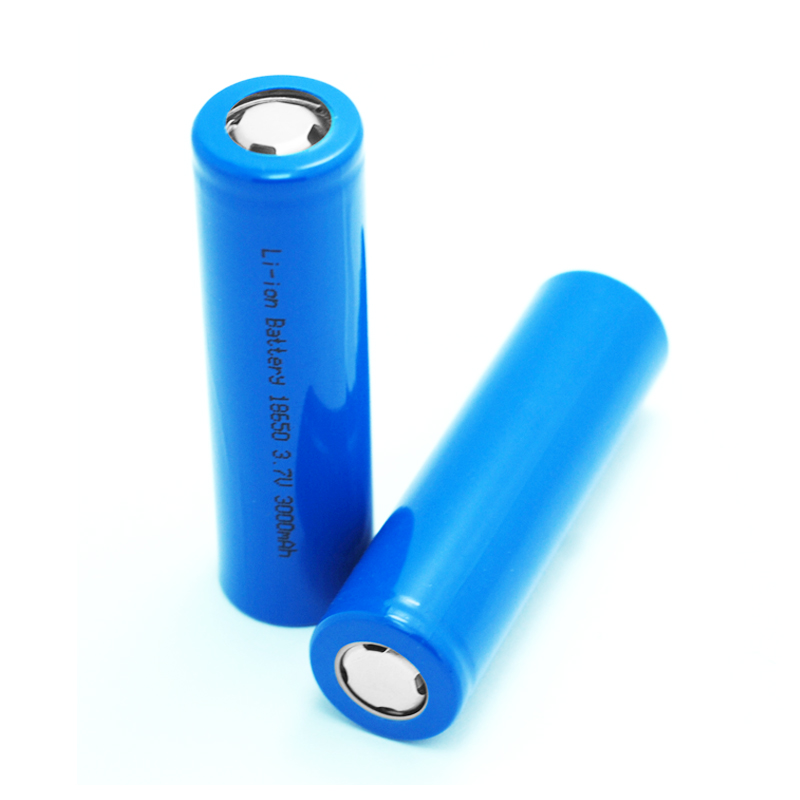
🔹 18650: 18 mm diameter × 65 mm length
-
🔹 21700: 21 mm diameter × 70 mm length
That extra 3 mm in diameter and 5 mm in length sounds minor, but in cylindrical cell design it’s decisive. Most battery compartments, sleds, and holders are designed with less than 1 mm clearance.
Conclusion: if the enclosure was designed strictly for 18650, a 21700 will not physically fit without redesign.
For battery packs, the impact is compounded. Switching from 18650 to 21700 changes:
-
Cell pitch and busbar layout
-
Cooling channel geometry
-
Pack volumetric density
-
Structural foam or potting clearances
⚡ Electrical Compatibility: Nominal Voltage Is Not the Whole Story
From a chemistry perspective, both cells are typically 3.6–3.7 V nominal, with full charge at 4.2 V for standard Li-ion chemistries (NMC/NCA).
However, 21700 cells vs 18650 differ significantly in electrical behavior:
-
🔌 Higher continuous discharge ratings (21700 typically 15–45 A)
-
🔋 Higher capacity (4000–5000 mAh common vs 2500–3500 mAh)
-
🔥 Lower internal resistance in most modern 21700 cells
If a device relies on internal resistance to limit inrush current, a 21700 may actually increase stress on MOSFETs, springs, or PCB traces.
🔥 Thermal Performance and Safety Considerations
One of the key advantages of 21700 vs 18650 battery designs is thermal efficiency.
-
🧊 Larger surface area improves heat dissipation
-
🧯 Higher thermal mass delays runaway onset
-
🛡️ Many 21700 cells include more robust CID and vent designs
That said, thermal benefits only apply if the device can manage the heat path. Installing a 21700 in a device with airflow and spacing optimized for 18650 can trap heat instead of dissipating it.
Direct conclusion: thermal safety improves only when mechanical and airflow design are compatible.
🔄 Can I Use a 21700 Battery Instead of 18650 in Real Devices?
🔦 Flashlights
Many modern high-output flashlights support both formats via sleeves. If the manufacturer explicitly lists compatibility, substitution is acceptable.
🚬 Vapes
Some advanced mods support both, but mechanical mods rarely do. Using a 21700 in a mod tuned for 18650 can exceed design current limits.
🛠️ Power Tools
Most platforms are format-locked. A 21700 cell may fit electrically but will fail mechanically or thermally without pack redesign.
🔋 DIY Battery Packs
This is where substitution is most common—and most risky. Cell spacing, nickel thickness, and BMS selection must all be recalculated.
🧠 Engineer’s Selection Advice: 18650 or 21700 Battery?
When choosing between 18650 or 21700 battery, engineers typically evaluate five parameters:
-
🧮 Energy density per pack volume, not per cell
-
⚙️ Peak and continuous current requirements
-
🌡️ Thermal pathway efficiency
-
🧩 Mechanical integration constraints
-
📦 Supply chain consistency and cell availability
Engineering rule of thumb:
-
Choose 18650 for compact designs, legacy platforms, or where parallelization is preferred.
-
Choose 21700 when high power and longer runtime are required within a fixed cell count.
⚠️ Common Misconceptions to Avoid
-
❌ “Same voltage means drop-in replacement”
-
❌ “Bigger cell is always safer”
-
❌ “Adapters eliminate all risks”
-
❌ “Higher mAh means better performance”
Battery performance is system-level, not cell-level.
❓ FAQ
❓ Are 21700 cells always better than 18650?
No. They offer higher capacity and current, but require compatible mechanical and electrical design.
❓ Can I use a 21700 with an 18650 adapter?
Only if the device manufacturer approves it. Adapters do not change current paths or thermal behavior.
❓ Do chargers support both formats?
Many modern chargers do, but check bay length and spring rating.
❓ Are 21700 cells safer?
They can be, but only in systems designed for them.
📢 CTA – Need Help Choosing the Right Cell?
Whether you’re upgrading an existing product or designing a new battery pack, choosing between 21700 cells vs 18650 requires more than comparing specs.
👉 Contact our battery engineering team for application-specific recommendations, verified cells, and pack design support.
Related Articles
18650 Li-Ion vs LiFePO4: Which Battery Fits Your Application?
What Is the Best 18650 Batteries for Vape High Drain?
Why Choose Sanyo NCR18650GA Battery for Reliable High-Performance Devices?
What Battery Can I Use Instead of 18650?
Where Can I Buy a 3.7V 18650 Battery?