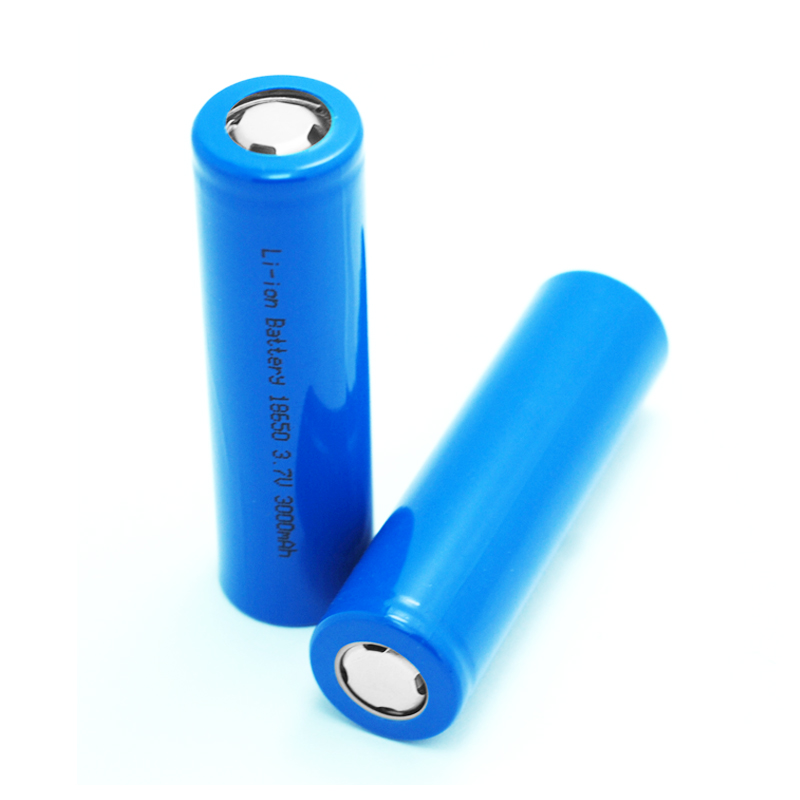
How to Test 18650 Battery Capacity
🔋 Abstract
Knowing how to test 18650 battery capacity correctly is essential for engineers, pack builders, refurbishers, and serious users who rely on accurate runtime and safety margins. Nominal ratings printed on the wrap rarely reflect real-world performance. This guide explains professional and DIY methods for testing 18650 capacity, how to select a reliable capacity 18650 tester, how to interpret results against an 18650 capacity chart, and how engineers evaluate so-called high capacity 18650 cells without falling for inflated claims.
⚡ What “Capacity” Really Means in an 18650 Cell
Battery capacity is not a single number—it is a measured result under defined conditions.
Key parameters:
-
🔹 Discharge current
-
🔹 Cutoff voltage (usually 2.5–3.0 V)
-
🔹 Cell temperature
-
🔹 Cell age and internal resistance
Direct conclusion: two identical cells can show different capacity if tested under different loads.
🧪 Why Testing 18650 Capacity Matters
Relying on label ratings is risky, especially with reclaimed or rewrapped cells.
Testing reveals:
-
📉 Degradation in used cells
-
🧯 Early signs of internal damage
-
📊 Real usable energy, not marketing numbers
In pack design, mismatched capacity causes imbalance, heat buildup, and shortened service life.
🔧 Tools for Testing 18650 Capacity
🔋 Capacity 18650 Tester (Dedicated Analyzers)
A proper capacity 18650 tester is the most reliable option.
Features to look for:
-
🔌 Programmable discharge current
-
📉 Accurate cutoff voltage control
-
📊 mAh and Wh readout
-
🌡️ Temperature monitoring
These testers discharge the cell at a constant current and calculate capacity from time × current.
🛠️ Charger-Analyzers (Consumer Level)
Many smart chargers include a testing 18650 capacity mode.
Pros:
-
✔️ Easy to use
-
✔️ Affordable
Cons:
-
❌ Limited discharge current
-
❌ Less precise for high-drain cells
Acceptable for screening, not for engineering validation.
🧰 DIY Load Testing (Advanced Users Only)
DIY setups use electronic loads or resistive loads with data logging.
Requirements:
-
🔧 Stable constant-current load
-
📏 Accurate voltage measurement
-
🧠 Manual cutoff monitoring
Engineering note: without strict control, DIY tests often overestimate capacity.
📏 Step-by-Step: Testing 18650 Capacity Correctly
1️⃣ Fully Charge the Cell
-
🔋 Charge to 4.20 V using CC/CV
-
⏱️ Allow the cell to rest 30–60 minutes
Resting stabilizes surface charge for accurate measurement.
2️⃣ Set Discharge Parameters
-
🔌 Choose 0.2C–0.5C for capacity testing
-
📉 Set cutoff voltage per datasheet (usually 2.5–2.8 V)
Lower discharge rates show higher capacity but may not reflect real use.
3️⃣ Run the Discharge Test
-
🔄 Maintain constant current
-
🌡️ Monitor temperature (stop if >60°C)
-
📊 Record mAh and Wh
Wh is often more meaningful than mAh when comparing cells.
4️⃣ Compare Against an 18650 Capacity Chart
Use a verified 18650 capacity chart from reputable sources.
Look for:
-
📉 Deviation from nominal capacity
-
📊 Consistency across multiple tests
-
🔍 Abnormally steep voltage drop
Cells below 80% of rated capacity are typically considered end-of-life for packs.
🔍 Interpreting High Capacity 18650 Claims
Many cells claim 3500–4000 mAh, but context matters.
Reality check:
-
🔹 True high capacity 18650 cells trade current for energy
-
🔹 Most exceed 3000 mAh only at low discharge rates
-
🔹 High capacity ≠ high power
Direct conclusion: a “high capacity 18650” that also claims extreme current is usually overstated.
🧠 Engineer’s Selection Advice
From an engineering standpoint:
-
📊 Test capacity and internal resistance together
-
🔄 Cycle test at least twice for consistency
-
🧮 Group cells within ±3% capacity for packs
-
🌡️ Reject cells with abnormal heat rise
For production, capacity testing is part of incoming quality control, not optional.
⚠️ Common Misconceptions
-
❌ “One test is enough”
-
❌ “Higher mAh always means better cell”
-
❌ “Fast discharge shows true capacity”
-
❌ “All testers give the same result”
Testing conditions define the outcome.
❓ FAQ
❓ How often should I test 18650 capacity?
For reused cells, every 50–100 cycles is recommended.
❓ Is mAh or Wh more important?
Wh is more accurate when comparing different chemistries or voltages.
❓ Can I test capacity while charging?
No. Capacity must be measured during controlled discharge.
❓ What’s a bad capacity reading?
Below 70–80% of nominal, depending on application.
📢 CTA – Need Accurate 18650 Capacity Testing?
Whether you’re validating high capacity 18650 cells or sorting reclaimed inventory, accurate data matters.
👉 Contact our battery engineering team for professional capacity testing, cell grading, and pack-matching solutions.
Related Articles
What Is High Drain 18650 Battery?
What Is the Capacity of 18650 Battery?
How Long to Charge 18650 at 1 Amp?
Is a LiFePO4 18650 Battery Right for Your Battery Pack?
What Makes the Samsung INR 25R 18650 Battery Ideal for High-Drain Applications?
What Makes the Olight 18650 Battery 3500mAh Ideal for High-Performance Flashlights?