❓ What Makes the Olight 18650 Battery 3500mAh Ideal for High-Performance Flashlights?
📌 Abstract
The Olight 18650 battery series, including the Olight 18650 battery 3500mAh, is engineered for high-drain devices like tactical flashlights and portable power systems. This page provides a detailed Olight 18650 battery review, practical insights on bateria Olight 18650 performance, and engineering selection guidance. We cover capacity realities, discharge behavior, safety considerations, pack design, common misconceptions, and FAQs for professional decision-making.
🔋 Key Features of the Olight 18650 Battery
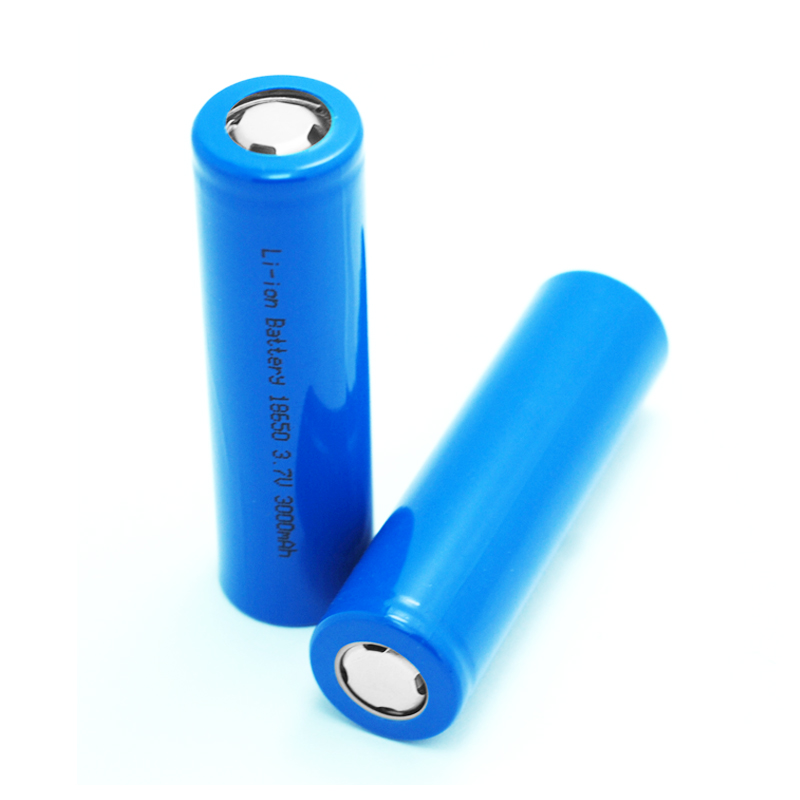
The Olight 18650 is a cylindrical lithium-ion cell (18 mm × 65 mm) designed for high-output devices.
| Feature | Specification |
|---|---|
| Nominal voltage | 3.6–3.7V |
| Typical capacity | 3500mAh |
| Max continuous discharge | 10–15A (varies by model) |
| Cell type | Flat-top or button-top (model dependent) |
| Chemistry | Li-ion |
Direct conclusion:
With 3500mAh capacity and reliable current output, Olight 18650 batteries are suitable for long runtime and moderate high-drain applications.
⚡ Discharge Performance and Voltage Behavior
Olight 18650 battery 3500mAh cells exhibit:
-
Nominal 3.6–3.7V voltage under load
-
Minimal voltage sag at moderate currents (<10A)
-
Safe pulse support for high-power LED flashlights
Engineering takeaway:
The flat voltage curve ensures consistent flashlight brightness throughout the discharge cycle.
📊 Capacity Reality and Runtime Expectations
While advertised at 3500mAh, engineers should consider:
-
Rated at 0.2C discharge; real-world 1C or higher discharge reduces effective capacity
-
Actual delivered energy is often 3300–3400mAh at continuous moderate load
-
Internal resistance (~20–25mΩ) affects heat generation under high current
Pro insight:
Capacity ratings are nominal; design packs for expected runtime under load, not just rated mAh.
🔧 Safety and Thermal Considerations
Olight 18650 batteries offer solid safety features but require careful handling:
-
Temperature limit: <60°C continuous use
-
Avoid physical damage or overcurrent scenarios
-
Use BMS for multi-cell packs to prevent overcharge/discharge
Engineering note:
Even branded cells require proper pack design; don’t assume inherent safety compensates for poor engineering.
🧠 Selection Guidelines (Engineer’s Perspective)
Choose Olight 18650 when:
-
You need a compact, high-capacity cell for portable devices
-
Continuous current ≤10–15A suffices for your load
-
Flat-top or button-top compatibility is required
Avoid Olight 18650 if:
-
Maximum continuous discharge >20A is required
-
Extremely high temperature environments (>60°C)
-
Absolute maximum energy density is a design priority
Tip:
For multi-cell packs, balance cells and monitor voltage to extend lifespan and ensure safety.
⚠️ Common Misconceptions
❌ “3500mAh rating guarantees 3500mAh in all use cases”
❌ “Olight 18650 is a drop-in replacement for all 18650 cells”
❌ “High-capacity cells are always better for high-drain”
❌ “Button-top vs flat-top doesn’t matter for pack design”
❌ “No BMS is needed because the brand is reliable”
❓ FAQ – Olight 18650 Battery
Q1: Can I charge Olight 18650 in standard 18650 chargers?
Yes, but ensure charger voltage matches Li-ion chemistry (4.2V max per cell).
Q2: Are Olight 18650 batteries suitable for high-powered torches?
Yes, moderate-drain flashlights (<15A) are ideal.
Q3: What is the typical cycle life?
300–500 full charge cycles at 80% depth of discharge; higher cycles possible with partial cycles.
Q4: Can Olight 18650 batteries be used in DIY battery packs?
Yes, with BMS and proper series/parallel configuration.
Q5: How do I tell flat-top vs button-top?
Flat-top cells lack the raised positive terminal; button-top cells have it. Compatibility depends on device holder design.
📞 CTA – Get Verified Olight 18650 Batteries
Looking for reliable Olight 18650 battery 3500mAh or help designing flashlight or DIY battery packs?
👉 Contact us for:
-
Tested bateria Olight 18650 cells
-
Pack assembly guidance
-
Safety & BMS recommendations
-
High-drain performance insights
Professional-grade cells for high-drain devices, verified and tested.
Related Articles
18650 Li-Ion vs LiFePO4: Which Battery Fits Your Application?
What Is the Best 18650 Batteries for Vape High Drain?
Why Choose Sanyo NCR18650GA Battery for Reliable High-Performance Devices?
What Battery Can I Use Instead of 18650?
Where Can I Buy a 3.7V 18650 Battery?