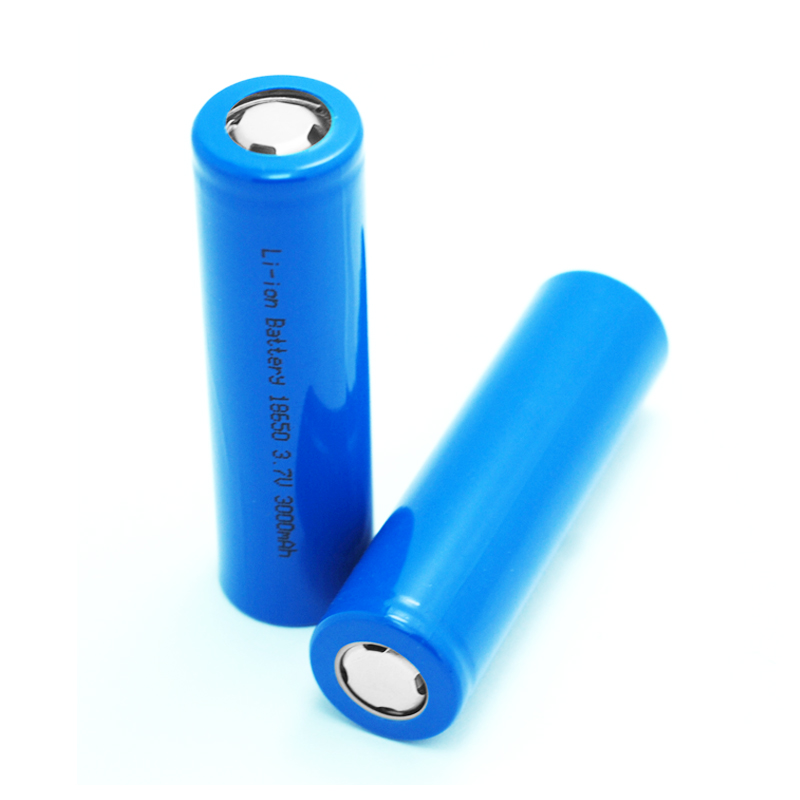
What Is the Difference Between Protected and Unprotected 18650 Batteries
🔋 Abstract
Understanding protected vs unprotected 18650 batteries is critical for anyone using high-drain devices, DIY battery packs, or flashlights. The protection circuitry, physical design, and intended use dramatically influence safety, performance, and device compatibility. This guide compares 18650 Li-ion battery protected versus unprotected, explains the difference between 18650 button top protected and unprotected flat top 18650, and provides practical guidance for engineers and end users to select the right cell for their application.
⚡ What Makes a Protected 18650 Battery
A protected 18650 Li-ion battery contains an integrated PCB (protection circuit board) that safeguards the cell against:
-
⚡ Overcharge (>4.25V)
-
⚡ Overdischarge (<2.5–3.0V)
-
⚡ Short circuit
-
🌡️ Overcurrent or thermal stress
Button top protected 18650 is common in flashlights, vape mods, and portable electronics. The button top design ensures proper contact in devices designed for positive terminal connection.
Engineering insight: Protection circuits prevent catastrophic failures in devices without their own BMS, but add ~2–3 mm to cell length, which can affect fit in tight enclosures.
⚡ Characteristics of Unprotected 18650 Cells
Unprotected 18650 cells lack an integrated PCB and are generally:
-
🔹 Flat top or button top designs
-
🔹 Lower cost, slightly higher energy density
-
🔹 Must rely on device circuitry (BMS) for protection
Direct conclusion: unprotected cells are suitable for custom packs with dedicated BMS or regulated devices but are risky in unregulated high-drain applications.
🔍 Protected vs Unprotected 18650: Key Differences
| Feature | Protected 18650 | Unprotected 18650 |
|---|---|---|
| PCB/Protection | Yes | No |
| Device Safety | High | Depends on device/BMS |
| Length | Slightly longer (~65mm+) | Standard (~65mm) |
| Cost | Higher | Lower |
| Use Case | Flashlights, vapes, portable electronics | Custom packs, regulated devices |
| Current Limit | Usually 5–10 A safe | Depends on chemistry, device |
Engineering note: selecting the wrong type can cause mechanical fit issues or compromise device safety.
🧠 Engineer’s Selection Advice
-
High-drain portable devices: choose button top protected 18650 to prevent shorts and overdischarge.
-
DIY battery packs with BMS: unprotected flat top 18650 allows flexibility, better fit, and slightly higher capacity.
-
Mixed devices: check terminal type; some devices will not accept flat tops.
-
Thermal management: protected cells generate slightly more heat under load due to the PCB.
Rule of thumb: Always consider device circuitry, terminal type, and fit before choosing protected or unprotected cells.
⚠️ Common Misconceptions
-
❌ “Protected cells are safer under all conditions” – only if PCB specs match device draw
-
❌ “Unprotected cells are always unsafe” – safe when used with BMS or regulated charger
-
❌ “All button tops are protected” – not true; some unprotected cells use button terminals
-
❌ “Protected cells have higher mAh” – protection slightly reduces usable capacity
🔋 Practical Applications
-
Flashlights: use protected button top 18650 for safety and fit
-
Vape devices: protected cells recommended unless device has built-in protection
-
DIY packs: unprotected flat top 18650 allows series/parallel arrangement with external BMS
-
High-power tools: protection may limit current; unprotected cells with BMS preferred
❓ FAQ
❓ Can I use a protected 18650 in a flat top device?
Sometimes. Check if the device can accommodate the extra length (~2–3 mm).
❓ Are unprotected 18650 cells dangerous?
Not inherently. They require a proper BMS or regulated device for safety.
❓ Which is better for Olight flashlights?
Protected button top 18650 is recommended to prevent overdischarge and ensure mechanical fit.
❓ Do protected 18650 batteries have lower capacity?
Slightly, due to the space and energy consumed by the protection circuitry.
📢 CTA – Need the Right 18650 Battery for Your Device?
Choosing between protected vs unprotected 18650 impacts safety, performance, and device compatibility.
👉 Contact our battery experts for guidance on selecting button top or flat top 18650 cells, protection options, and pack design.
Related Articles
What are the best 18650 rechargeable batteries?
Samsung 25R 18650 2500mAh 20A Battery Still Worth Using?
Where to Buy Samsung 18650 Batteries?
How Hot Can 18650 Batteries Get?
How Many 18650 Batteries in a Tesla Model 3?
How to Test 18650 Battery Capacity?