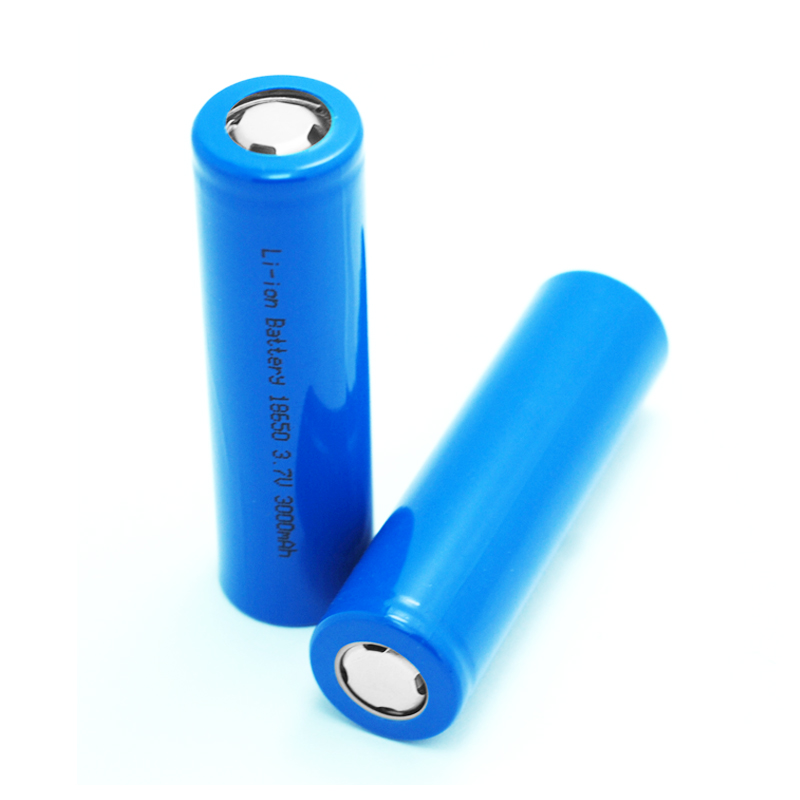
What Is a Protected 18650 Battery
🔋 Abstract
A protected 18650 battery integrates a small protection circuit to safeguard the cell from overcharge, overdischarge, short circuit, and excessive current. Understanding 18650 protected features, including 18650 protected button top designs, is essential for safe operation in flashlights, vape devices, and portable electronics. This guide explains the structure, advantages, and applications of 18650 protected Li-ion battery, as well as engineering considerations, common misconceptions, and best practices for selecting 18650 protected rechargeable battery solutions.
⚡ Definition of a Protected 18650 Battery
A 18650 protected Li-ion battery is a cylindrical lithium-ion cell equipped with an integrated protection circuit board (PCB). The PCB prevents:
-
⚡ Overcharge (>4.25 V)
-
⚡ Overdischarge (<2.5–3.0 V)
-
⚡ Overcurrent or short circuit
-
🌡️ Thermal issues caused by abnormal load
Button top protected 18650 cells are designed with a protruding positive terminal for better contact in devices like flashlights and vape mods. The protection circuit ensures that users do not exceed the cell’s safe operating limits, improving reliability and lifespan.
🔋 Structure and Key Features
1️⃣ PCB Protection
-
Integrated within the cell base
-
Monitors voltage, current, and temperature
-
Prevents dangerous conditions during charging and discharging
2️⃣ Terminal Type
-
Button top: fits most consumer devices
-
Flat top: common in DIY battery packs or regulated devices
3️⃣ Rechargeable Nature
-
Can be charged multiple times using standard Li-ion charging protocols
-
Retains safety benefits during repeated cycles
Engineering insight: PCB adds ~2–3 mm to overall cell length, which must be considered for tight enclosures.
🔍 Applications of 18650 Protected Rechargeable Batteries
-
Flashlights: button top protected cells prevent overdischarge and voltage sag
-
Vape mods: protection safeguards against high-current misuse
-
Portable electronics: ensures device longevity and user safety
-
DIY packs: sometimes used for single-cell portable applications, though packs typically use unprotected cells with BMS
Direct conclusion: using protected cells in unregulated devices is safer than unprotected counterparts.
🧠 Engineer’s Selection Advice
-
Device Current Draw: Verify the cell’s continuous discharge rating matches device requirements.
-
Physical Fit: Check if the extra PCB length is compatible with the battery compartment.
-
Cycle Life: High-quality protected cells maintain consistent voltage and capacity over hundreds of cycles.
-
Temperature Range: Ensure the protection circuit operates reliably in ambient and device-generated heat.
Rule of thumb: For most consumer devices like Olight flashlights, 18650 protected button top is the recommended choice.
⚠️ Common Misconceptions
-
❌ “Protected 18650 batteries can replace any unprotected cell” – only if device accepts the slightly longer length
-
❌ “Protection guarantees unlimited safety” – PCB ratings must match device draw
-
❌ “Button top means protected” – terminal type is unrelated to internal protection
-
❌ “All 18650 protected rechargeable batteries have same capacity” – mAh varies by manufacturer and chemistry
🧪 Safety and Performance Tips
-
Avoid mixing protected and unprotected cells in multi-cell packs
-
Use dedicated Li-ion chargers for 18650 protected batteries
-
Inspect the PCB for signs of damage before use
-
Monitor thermal behavior in high-drain devices
❓ FAQ
❓ Can I use a protected 18650 battery in a flat-top device?
Possibly, if the device can accommodate the extra length; otherwise, use flat-top unprotected cells with BMS.
❓ Are protected 18650 batteries safe for high-drain devices?
Yes, within the limits of the PCB’s current rating. Exceeding it may trigger cutoff or heat generation.
❓ How do I charge a 18650 protected Li-ion battery?
Use any standard 4.2 V CC/CV Li-ion charger designed for single cells.
❓ Do all protected 18650 rechargeable batteries include button tops?
No. Protection and terminal type are separate; button top is for device fit, protection is internal.
📢 CTA – Find the Right 18650 Protected Battery
Choosing the correct 18650 protected rechargeable battery improves safety, device longevity, and performance.
👉 Contact our battery experts for verified 18650 protected options, button top variants, and guidance for high-drain applications.
Related Articles
Is a 3.2V 18650 LiFePO4 Battery the Right Choice?
What Is the Maximum Capacity of 18650 Battery?
Is a LiFePO4 18650 Battery Right for Your Battery Pack?
What Is the Best 18650 Battery for Olight Flashlight?
Is the Molicel P28A 18650 the Best 35A High-Drain Cell?
What are the best 18650 rechargeable batteries?