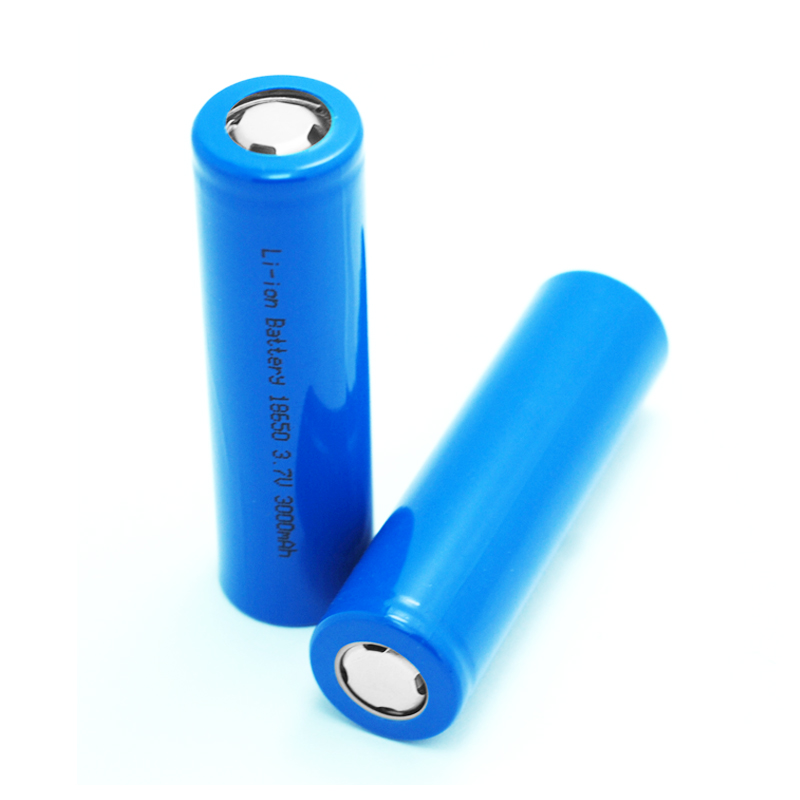
What Are 18650 Batteries Made Of
🔋 Abstract
Understanding what 18650 batteries are made of is essential if you want to judge safety, performance, and long-term reliability—not just capacity numbers on a label. This page breaks down the internal structure of what 18650 battery cells actually contain, explains why some chemistries like ICR 18650 battery 2000mAh 3.7V behave differently from modern high-energy cells, and clarifies how claims such as 18650 Akku 3500mAh should be evaluated. Written from an engineering and sourcing perspective, this guide avoids marketing shortcuts and focuses on materials, design trade-offs, and real-world use.
🧱 What Is Inside a 18650 Battery?
At its core, an 18650 battery is a layered electrochemical system tightly wound into a cylindrical steel can. Every authentic cell—regardless of brand—contains the same fundamental components:
-
Cathode (positive electrode)
-
Anode (negative electrode)
-
Separator
-
Electrolyte
-
Current collectors
-
Steel casing with safety vent
🔧 Direct conclusion: Capacity and performance differences come from material choices, not from the 18650 size itself.
⚙️ Cathode Materials: The Biggest Performance Driver
The cathode chemistry defines most of a cell’s behavior. Common materials include:
🔹 ICR (Lithium Cobalt Oxide – LiCoO₂)
Typical example: ICR 18650 battery 2000mAh 3.7V
-
High energy density (for its time)
-
Lower discharge capability
-
Less thermal stability
Once popular in laptops, ICR chemistry is now largely phased out of high-drain applications.
⚠️ Engineering reality: ICR cells require strict protection and are unsuitable for modern high-current devices.
🔹 INR / NMC (Nickel Manganese Cobalt)
Used in many modern what is a good 18650 battery designs:
-
Balanced energy and power
-
Better thermal stability than ICR
-
Suitable for flashlights, power tools, and packs
This chemistry dominates today’s 3000–3500mAh cells.
🔹 NCA (Nickel Cobalt Aluminum)
Often associated with premium high-energy cells:
-
Excellent energy density
-
Long cycle life when well managed
-
More demanding on thermal control
🔧 Used extensively in EV modules and high-grade battery packs.
🔩 Anode: Why Graphite Still Wins
Almost all 18650 batteries use a graphite anode:
-
Stable lithium intercalation
-
Predictable aging behavior
-
High cycle efficiency
Some experimental designs include silicon additives, but pure silicon anodes remain impractical due to swelling and cycle degradation.
🔋 Direct conclusion: If a seller claims “silicon anode 18650 with no trade-offs,” be skeptical.
🧪 Separator and Electrolyte
🧵 Separator
A microporous polymer film that:
-
keeps electrodes apart
-
allows lithium ions to pass
-
shuts down ion flow if overheated
This is a critical safety component, often overlooked.
💧 Electrolyte
Usually a lithium salt (LiPF₆) dissolved in organic solvents.
Its role:
-
transport ions between electrodes
-
remain stable across voltage range
Electrolyte formulation directly impacts low-temperature performance and aging.
🛢️ Steel Can, Vent, and Insulation
Every 18650 cell is housed in a steel cylinder that acts as:
-
mechanical protection
-
negative terminal
Key safety elements include:
-
pressure relief vent
-
CID (current interrupt device)
-
insulating gasket at the positive terminal
🔧 Direct conclusion: The steel can is electrically live—damage to the outer wrap is a real hazard.
🔍 What Does “18650 Akku 3500mAh” Actually Mean?
“18650 Akku 3500mAh” simply means:
-
rechargeable 18650 battery
-
nominal capacity around 3500mAh
It does not guarantee:
-
high discharge rating
-
long cycle life
-
premium materials
A good 3500mAh cell typically sacrifices maximum current capability for runtime.
🧠 What Is a Good 18650 Battery, Material-Wise?
From an engineer’s standpoint, a good 18650 battery uses:
-
Modern NMC or NCA cathode
-
High-purity graphite anode
-
Multi-layer shutdown separator
-
Low-impedance electrolyte
-
Consistent manufacturing tolerances
Brand matters less than verified chemistry and tested performance.
🧠 Engineer’s Selection Advice
1️⃣ Match Chemistry to Use Case
-
Low drain, long runtime → energy-focused cathode
-
High drain → power-oriented formulation
-
Safety-critical → conservative chemistry + protection
2️⃣ Ignore Marketing Buzzwords
Terms like:
-
“military material”
-
“space-grade lithium”
have no technical meaning in 18650 design.
3️⃣ Capacity Has a Cost
Higher capacity usually means:
-
thicker electrodes
-
higher internal resistance
-
reduced peak current
🔧 Rule: You can’t optimize capacity, current, and lifespan at the same time.
❌ Common Misconceptions
-
❌ “All 18650 batteries are made the same”
-
❌ “ICR chemistry is outdated but harmless”
-
❌ “3500mAh always means better battery”
-
❌ “Material quality doesn’t matter if specs match”
Each of these leads to poor sourcing decisions.
❓ FAQ
❓ What are 18650 batteries made of?
They are made of lithium-based cathode materials, graphite anodes, polymer separators, liquid electrolyte, and a steel casing.
❓ Is ICR 18650 battery 2000mAh 3.7V still good?
Only for low-drain, well-protected applications. It’s not suitable for modern high-power devices.
❓ What makes a good 18650 battery internally?
Modern cathode chemistry, consistent electrode coating, quality separator, and controlled electrolyte formulation.
❓ Are all 18650 Akku 3500mAh cells equal?
No. Materials, discharge rating, and cycle life vary widely.
📢 CTA – Need Verified 18650 Cells with Known Materials?
If you’re sourcing authentic 18650 batteries and want transparency on chemistry, construction, and real performance—not label claims—our engineering team can help.
👉 Contact us for tested cells, material breakdowns, and application-matched recommendations.
Related Articles
Is a 3.2V 18650 LiFePO4 Battery the Right Choice?
What Is the Maximum Capacity of 18650 Battery?
Is a LiFePO4 18650 Battery Right for Your Battery Pack?
What Is the Best 18650 Battery for Olight Flashlight?
Is the Molicel P28A 18650 the Best 35A High-Drain Cell?
What are the best 18650 rechargeable batteries?