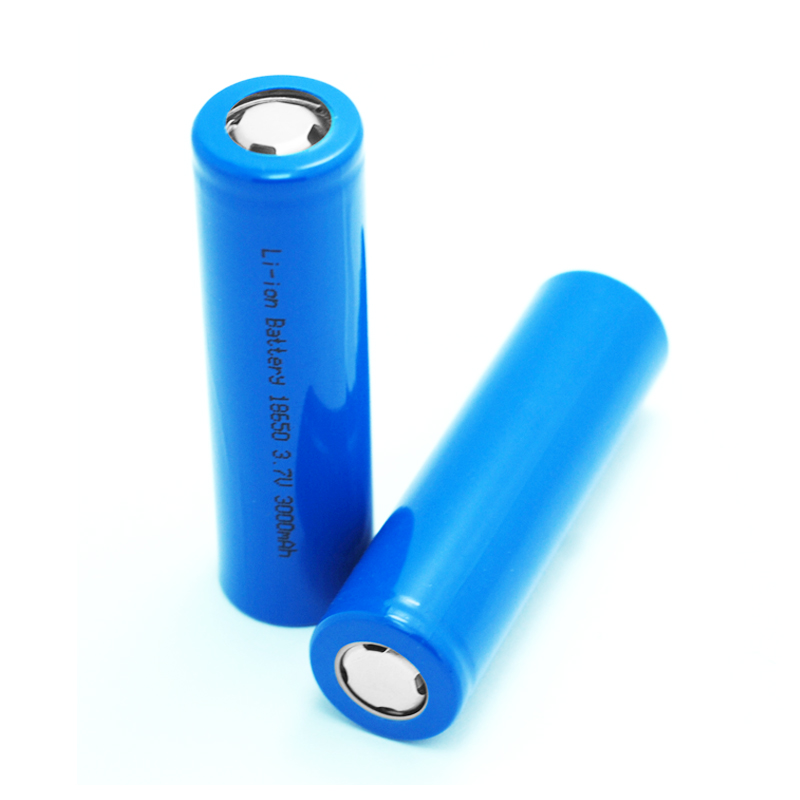
How Hot Can 18650 Batteries Get
🔥 Abstract
Understanding how hot 18650 batteries can get is fundamental to safety, performance, and service life. Temperature directly affects internal resistance, capacity fade, and failure risk—yet it’s one of the most misunderstood aspects of lithium-ion cells. This page explains the real 18650 operating temperature, the practical 18650 battery temperature range under load and charge, what happens at low temperature 18650 operation, and why surface temperature often hides what’s happening inside the cell. The discussion reflects how engineers evaluate 18650 temperature limits in real devices, not ideal lab conditions.
🌡️ What Is the Normal Operating Temperature of an 18650?
For most modern lithium-ion cells, the recommended 18650 operating temperature is:
-
Discharge: −20°C to +60°C
-
Charge: 0°C to +45°C
-
Storage: −20°C to +25°C (short term)
These are electrochemical limits, not comfort zones.
🔧 Direct conclusion: A cell can operate at 60°C, but it should not live there.
🔋 How Hot Can an 18650 Battery Get in Real Use?
🔹 Typical Surface Temperatures
In healthy conditions:
-
light load → 30–40°C
-
moderate load → 40–50°C
-
high load / turbo modes → 50–65°C
At this point, degradation accelerates.
🔥 Critical Internal Temperatures
Inside the cell, temperatures can be 10–20°C higher than what you feel externally.
Important thresholds:
-
~70°C → accelerated electrolyte breakdown
-
~90°C → separator shrinkage risk
-
~120°C → thermal runaway onset
⚠️ Direct conclusion: If an 18650 is too hot to hold comfortably, it is already in a harmful zone.
⚙️ Why 18650 Batteries Heat Up
Heat generation comes from:
-
internal resistance (I²R losses)
-
rapid current draw
-
poor thermal dissipation
-
overcharging or overdischarging
High-drain devices like flashlights, vape mods, and power tools push cells close to their thermal limits by design.
🧪 18650 Battery Temperature Range vs Reality
The published 18650 battery temperature range assumes:
-
proper current limits
-
controlled airflow
-
intact cell structure
In compact devices:
-
heat accumulates faster
-
aluminum housings trap energy
-
repeated current bursts stack thermal stress
🔧 Engineering insight: Datasheet limits are survivability limits, not optimal operating points.
❄️ Low Temperature 18650 Behavior
🔹 What Happens Below 0°C
At low temperatures:
-
internal resistance increases
-
voltage sag becomes severe
-
usable capacity drops sharply
A low temperature 18650 at −10°C may deliver only 50–60% of rated capacity.
🔹 Charging at Low Temperature (Critical Risk)
Charging below 0°C causes:
-
lithium plating on the anode
-
permanent capacity loss
-
increased short-circuit risk
⚠️ Direct conclusion: Never charge an 18650 below freezing unless explicitly specified by the manufacturer.
🔥 Thermal Runaway: When Things Go Wrong
Thermal runaway occurs when:
-
Heat generation exceeds heat dissipation
-
Electrolyte decomposes
-
Oxygen release accelerates reactions
Triggers include:
-
internal short
-
severe overcurrent
-
physical damage
-
manufacturing defects
Once initiated, temperature can exceed 500°C within seconds.
🧠 Engineer’s Perspective on Safe Temperature Management
1️⃣ Design Margin Matters
Engineers rarely design for 60°C continuous operation.
Target is usually:
-
≤45°C steady-state
-
≤55°C transient peaks
2️⃣ Cell Choice Affects Heat
Lower internal resistance = less heat at the same current.
This is why:
-
high-capacity cells often run hotter
-
power-optimized cells stay cooler
3️⃣ Housing Is Part of the System
Poor thermal coupling can be worse than high current.
Plastic housings trap heat; aluminum spreads it.
🔧 Direct conclusion: Thermal design is as important as electrical design.
❌ Common Temperature-Related Mistakes
-
❌ Assuming warm is normal
-
❌ Using high-capacity cells in high-drain devices
-
❌ Charging immediately after heavy discharge
-
❌ Ignoring ambient temperature
-
❌ Storing cells in hot vehicles
Each mistake compounds aging and failure risk.
🔍 How to Monitor 18650 Temperature Safely
-
Use IR thermometer on the cell body
-
Measure after sustained load, not idle
-
Watch for rising temperature at constant current
If temperature rises faster over time at the same load, internal degradation has begun.
❓ FAQ
❓ How hot can 18650 batteries get safely?
Surface temperatures should ideally stay below 55°C. Beyond that, degradation accelerates.
❓ Is it normal for an 18650 to feel hot?
Warm is normal; hot is not. If you cannot hold it comfortably, it’s too hot.
❓ Can cold permanently damage 18650 batteries?
Discharging in cold is temporary; charging in cold can cause permanent damage.
❓ What temperature causes 18650 failure?
Thermal runaway typically begins above 120°C internally, often without external warning.
📢 CTA – Need Temperature-Safe 18650 Cells for Your Application?
If your device pushes current limits or operates in extreme environments, temperature management cannot be an afterthought.
👉 Contact our battery engineers for cell selection, thermal guidance, and verified operating data.
Related Articles
Is a 3.2V 18650 LiFePO4 Battery the Right Choice?
What Is the Maximum Capacity of 18650 Battery?
Is a LiFePO4 18650 Battery Right for Your Battery Pack?
What Is the Best 18650 Battery for Olight Flashlight?
Is the Molicel P28A 18650 the Best 35A High-Drain Cell?
What are the best 18650 rechargeable batteries?