How Many 18650 for 12V 100Ah
🔋 Abstract
Designing a 12V 100Ah lithium battery pack using 18650 cells is a common requirement for solar storage, RV systems, marine electronics, and DIY energy projects. However, many people underestimate the complexity behind questions like how many 18650 for 12V 100Ah, 18650 to 12V conversion, or how big is a 18650 battery when scaled into a real pack. This page explains the correct calculation logic, pack structure, 12V 18650 BMS selection, testing considerations, and real-world engineering constraints—without shortcuts or marketing myths.
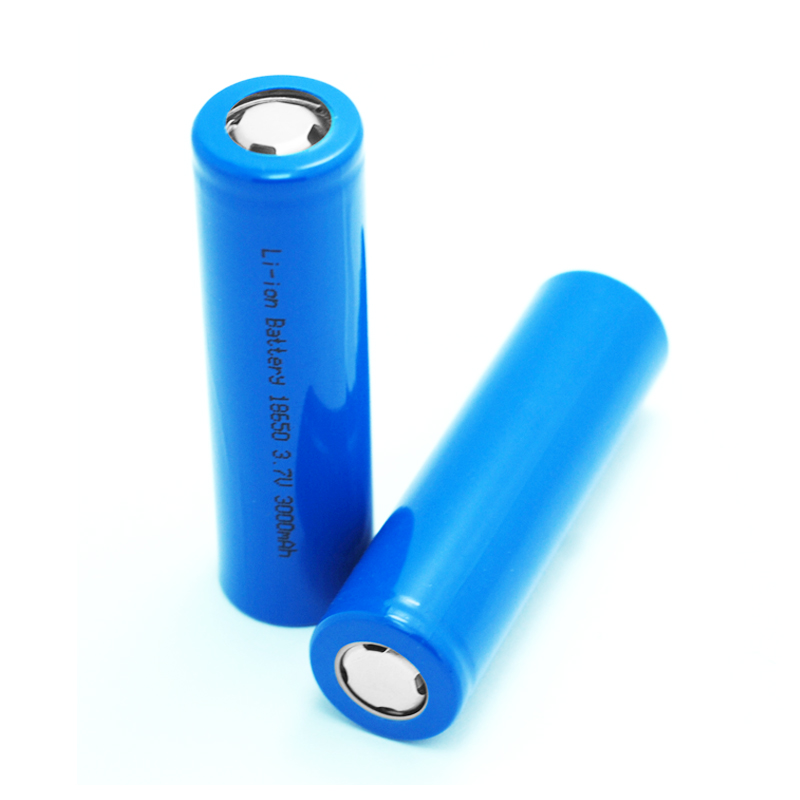
📏 How Big Is a 18650 Battery (Baseline for Pack Design)
Before any calculation, dimensions matter.
-
Diameter: 18 mm
-
Length: 65 mm
-
Nominal Voltage: 3.6–3.7 V
-
Typical Capacity: 2.0–3.5 Ah
🔧 Engineer note: once nickel strips, insulation, spacing, and BMS wiring are added, real pack volume increases by 20–30%.
⚡ Understanding “12V” in Lithium Systems
A lithium-ion 12V system is not exactly 12.0V.
| State | Voltage |
|---|---|
| Fully charged | ~12.6V |
| Nominal | ~11.1V |
| Cutoff | ~9.0–9.6V |
To achieve this, lithium packs use 3 cells in series (3S).
🔋 18650 to 12V = 3S configuration
🔢 Step-by-Step: How Many 18650 for 12V 100Ah
🔹 Step 1: Series Count (Voltage)
-
1 cell = 3.7V
-
12V lithium system = 3 cells in series (3S)
🔹 Step 2: Parallel Count (Capacity)
Assume a common, realistic cell:
-
3.0Ah per 18650 (not marketing-rated)
To reach 100Ah:
-
100Ah ÷ 3.0Ah ≈ 33.3 cells in parallel
Round up for margin:
-
34P
🔹 Final Pack Configuration
3S34P = 102 cells total
| Parameter | Value |
|---|---|
| Series | 3 |
| Parallel | 34 |
| Total Cells | 102 |
| Nominal Energy | ~3.7 kWh |
🔧 Direct conclusion: a true 12V 100Ah lithium pack typically needs 96–108 cells, depending on real tested capacity.
🔋 Why “Rated Capacity” Is Not Enough
This is where many DIY packs fail.
⚠️ Capacity Ratings vs Reality
-
3000mAh label ≠ 3000mAh delivered
-
Temperature, discharge rate, and aging reduce usable capacity
This is why 18650 battery test procedures matter.
🧪 18650 Battery Test (Engineering Standard)
Before pack assembly, professionals test:
-
Capacity at 0.5C discharge
-
Internal resistance (IR)
-
Voltage sag under load
-
Self-discharge rate
-
Cell-to-cell deviation
🔧 Engineer rule: never mix untested cells in a 100Ah pack.
🔌 Choosing the Right 12V 18650 BMS
A 12V 18650 BMS must match both current and configuration.
Key BMS Specifications:
-
3S lithium-ion compatible
-
Continuous current rating ≥ system load
-
Cell balancing function
-
Overcharge / over-discharge protection
-
Temperature protection (recommended)
🔧 Direct conclusion: undersized BMS is the #1 cause of pack failure, not cell quality.
🧩 Physical Size of a 12V 100Ah 18650 Pack
Estimated dimensions (rough guide):
-
Cell volume only: ~2.0–2.3 liters
-
Finished pack volume: 3.0–3.5 liters
-
Weight: ~18–22 kg depending on cell chemistry
This surprises many users transitioning from lead-acid.
🔧 Engineer Selection Advice
When designing or buying a 12V 100Ah pack:
-
Use tested, matched cells only
-
Avoid chasing maximum mAh labels
-
Overspec the BMS by at least 30%
-
Design for thermal dissipation
-
Plan serviceability and cell replacement
🔧 Direct conclusion: electrical math is simple; reliability engineering is not.
❌ Common Misconceptions
-
❌ “3 cells make exactly 12V” – lithium voltage is dynamic
-
❌ “100Ah is always usable” – real usable capacity is lower
-
❌ “Any BMS will work” – wrong current rating kills packs
-
❌ “Bigger capacity cells reduce cell count dramatically” – only marginally
❓ FAQ
❓ How many 18650 batteries are needed for 12V 100Ah?
Typically 96–108 cells, with 3S34P (102 cells) being a common design.
❓ Can I convert 18650 to 12V directly?
Yes, by using a 3S configuration with a proper 12V 18650 BMS.
❓ Do I need to test every 18650 battery?
Yes. Large packs without testing are unstable and unsafe.
❓ Is a 12V 100Ah lithium pack smaller than lead-acid?
Yes—significantly smaller and lighter, with higher usable energy.
📢 CTA – Need Professional 18650 Cells for Pack Building?
If you are building or sourcing 12V 18650 battery packs, cell consistency matters more than anything.
👉 Contact us today
We supply tested, matched 18650 cells suitable for large-capacity lithium battery packs and BMS-integrated systems.
Related Articles
How Much Lithium is in a 18650 Battery?
What’s the Difference Between a 14500 and 18650 Battery?
Can I Use 18650 Instead of CR123?