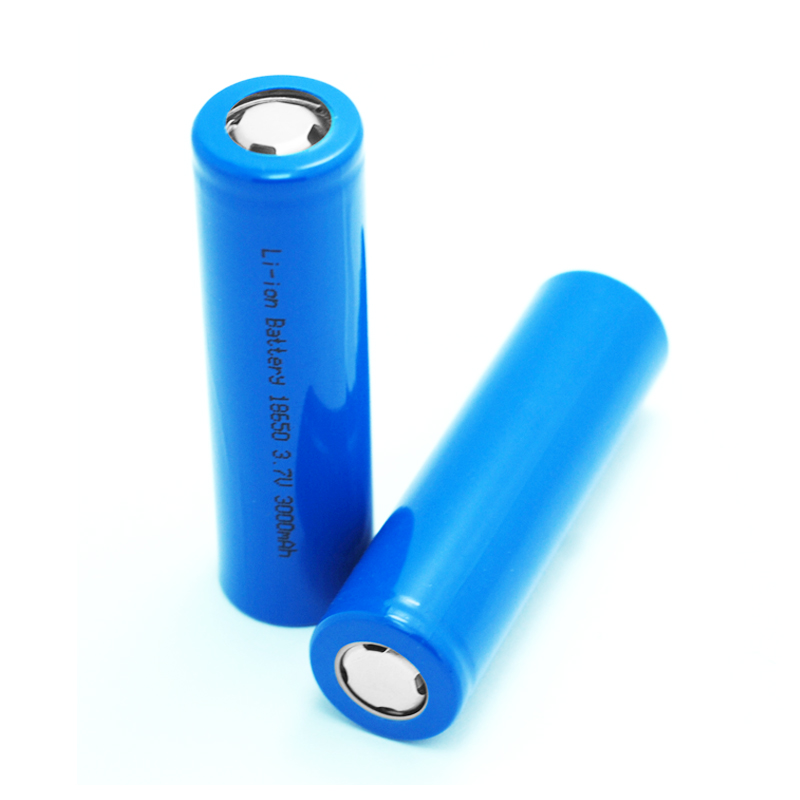
How Many Amps to Spot Weld 18650 Batteries?
🔋 Abstract
When engineers ask how many amps to spot weld 18650 batteries, they are not looking for a single number. Spot welding current depends on nickel strip thickness, pulse duration, electrode pressure, and the internal impedance of the 18650 cell. This page explains real-world current ranges used by a spot welder for 18650 batteries, how professional battery factories tune weld energy, and why chasing “higher amps” often destroys cells instead of improving weld strength. The content reflects actual pack assembly practice, not hobby-level assumptions.
⚡ Why Spot Welding Is Used for 18650 Cells
🔧 18650 cells are not solder-friendly
Applying soldering iron heat to an 18650 raises internal temperature rapidly, damaging the separator and accelerating electrolyte decomposition.
🔋 Spot welding uses:
-
Extremely high current
-
Extremely short pulse time
-
Minimal heat penetration
📌 Direct conclusion: Spot welding protects cell chemistry while creating low-resistance joints.
🔌 How Many Amps Does a Spot Welder Use for 18650?
⚡ Typical current range
A professional 18650 battery spot welding machine delivers:
-
500–1,200 A → thin nickel (0.10 mm)
-
1,200–2,000 A → standard nickel (0.15 mm)
-
2,000–3,000 A → thick nickel (0.20 mm)
⚠️ These currents exist for milliseconds, not seconds.
📌 Direct conclusion: Spot welding is about peak current × time, not continuous amperage.
🧲 Nickel Strip Thickness Matters More Than You Think
🔋 Common strip specs:
-
0.10 mm pure nickel → low energy needed
-
0.15 mm nickel → industry standard
-
0.20 mm nickel → high current, tight control
🔧 Using an 18650 nickel strip spot welder, engineers always tune weld energy based on strip resistance, not just cell type.
❌ Thicker strip + low current = weak weld
❌ Thin strip + high current = burn-through
⏱️ Pulse Duration: The Hidden Variable
⚡ Most spot welders for 18650 batteries operate with:
-
Pulse time: 3–15 ms
-
Single or dual pulse modes
🔧 Dual-pulse welding:
-
First pulse cleans oxide layer
-
Second pulse forms the weld nugget
📌 Direct conclusion: Correct pulse timing reduces required amps by up to 30%.
🛠️ Types of Spot Welders Used for 18650
🔋 Capacitor-discharge (CD) spot welders
-
Extremely high peak amps
-
Short pulses
-
Preferred for cylindrical cells
🔋 MOSFET battery-powered welders
-
Lower peak current
-
More sensitive to tuning
-
Common in small pack assembly
🔋 Industrial AC welders
-
Rare for lithium cells
-
Risk of excessive heat spread
📌 For 18650 packs, CD welders dominate professional production.
🧠 Engineer’s Selection Advice (Spot Welding 18650)
🔧 Engineers evaluate:
-
Nickel purity (pure Ni vs nickel-plated steel)
-
Cell internal resistance (IR)
-
Electrode material (copper alloy preferred)
-
Consistency of pulse energy
📌 Rule of thumb:
If your weld tears the nickel before breaking, the current is correct.
If the nugget peels cleanly, it’s under-welded.
🔥 How Too Much Amps Damages 18650 Cells
⚠️ Excessive current causes:
-
Internal micro-shorts
-
Separator deformation
-
Accelerated gas generation
🔋 Damage may not be visible immediately. Many failed packs pass initial testing but degrade after 20–50 cycles.
📌 Direct conclusion: Over-welding kills batteries quietly.
❌ Common Misconceptions About Spot Welding 18650
❌ “More amps equals stronger welds”
❌ “Any nickel strip will work”
❌ “Burn marks mean good penetration”
❌ “If it sticks, it’s safe”
📌 Professional pack builders test pull strength, not appearance.
❓ FAQ
❓ Can I spot weld directly to an 18650 terminal?
Yes, but only with controlled pulse energy. Overcurrent damages the positive cap structure.
❓ How many amps does a DIY 18650 spot welder need?
Most DIY units peak between 800–1,500 A, sufficient for 0.10–0.15 mm nickel.
❓ Is nickel-plated steel acceptable?
Not recommended. It requires higher current and increases failure risk.
❓ Do all 18650 cells weld the same way?
No. High-IR cells require more energy for consistent welds.
🛒 CTA – Source Spot-Weld-Ready 18650 Cells
CHAWM supplies 18650 batteries optimized for spot welding, with consistent terminal thickness, stable internal resistance, and batch-matched performance—ideal for automated and manual welding systems.
🔋 If you’re building packs at scale,
👉 Contact CHAWM for bulk 18650 cells suitable for spot welding.
Related Articles
How Do You Revive a Dead 18650 Battery?
at what voltage is a 18650 battery dead
What Is an 18650 Battery Used For?
Is a 18650 Battery the Same as AAA?