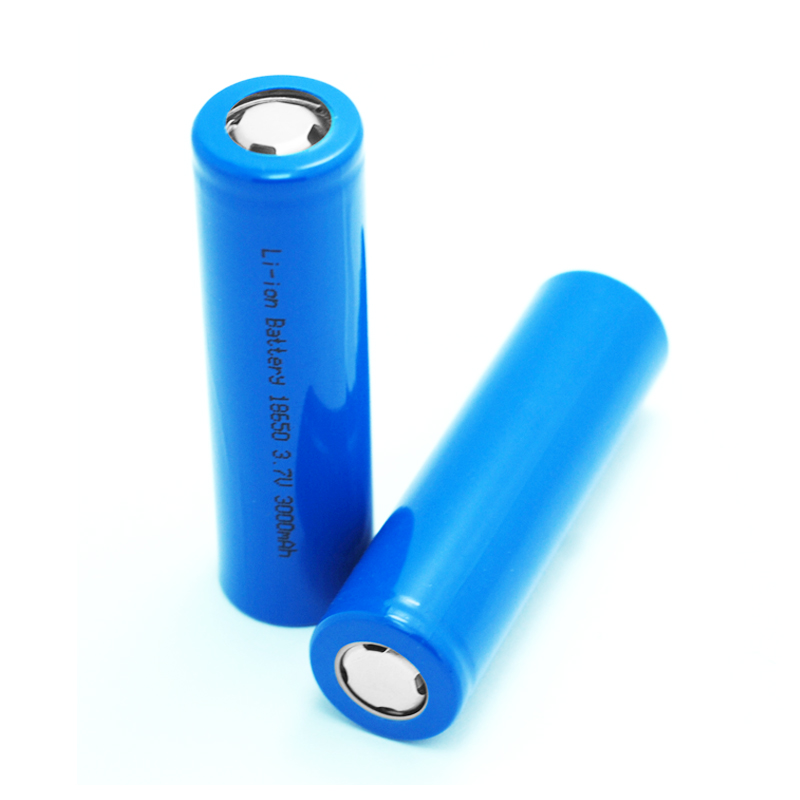
How to Spot Weld 18650 Batteries
🔋 Abstract
Knowing how to spot weld 18650 batteries correctly is a core skill in lithium battery pack manufacturing. Whether you’re building EV modules, energy storage packs, or custom power tools, spot welding 18650 cells is the industry-standard method for creating low-resistance, mechanically stable connections without thermal damage. This page explains the actual workflow used by engineers, from choosing a spot welder for 18650 battery packs to dialing in weld parameters, inspecting weld quality, and avoiding common production failures. Everything here is based on real pack-assembly practice, not hobby shortcuts.
⚙️ Why Spot Welding Is the Correct Method for 18650 Cells
🔧 18650 cells are heat-sensitive
Soldering introduces sustained heat that can:
-
Shrink the separator
-
Increase internal resistance
-
Reduce cycle life
⚡ Spot welding solves this by using:
-
High current
-
Ultra-short pulse duration
-
Localized heating at the nickel interface
📌 Direct conclusion: Spot welding preserves cell chemistry while achieving industrial-grade joints.
🔌 What You Need to Spot Weld 18650 Batteries
🔋 Essential equipment
-
Spot welder 18650 battery–rated (CD or MOSFET type)
-
Pure nickel strips (0.10–0.20 mm)
-
Copper alloy electrodes
-
Insulated cell holders or jigs
🧪 Recommended extras
-
Pull-test pliers
-
Digital caliper
-
IR meter (optional but valuable)
📌 Professional shops never weld “freehand” without fixtures.
⚡ Choosing the Right 18650 Battery Spot Welder Machine
🔧 Capacitor Discharge (CD) welders
-
Very high peak current
-
Excellent consistency
-
Preferred for production lines
🔧 Battery-powered MOSFET welders
-
Portable
-
Lower peak amps
-
Require careful tuning
🔧 AC welders
-
Rarely used for lithium cells
-
Higher thermal risk
📌 If consistency matters, CD spot welders dominate 18650 pack manufacturing.
🧲 Nickel Strip Selection (Critical Step)
🔋 Pure nickel only
-
Low resistance
-
Predictable weld behavior
❌ Avoid nickel-plated steel:
-
Needs higher current
-
Increases spatter
-
Inconsistent bonding
📏 Common thickness:
-
0.10 mm → low-current applications
-
0.15 mm → industry standard
-
0.20 mm → high-current packs
📌 Direct conclusion: Most weld failures are nickel-related, not welder-related.
🔨 Step-by-Step: How to Spot Weld 18650 Batteries
🔹 Step 1: Prepare the Cells
-
Verify voltage consistency
-
Inspect terminals for contamination
-
Secure cells in a non-conductive jig
🔹 Step 2: Position the Nickel Strip
-
Center strip on positive or negative terminal
-
Ensure flat, full contact
-
Avoid overlapping weld points
🔹 Step 3: Set Welding Parameters
Typical starting point:
-
Current: 800–1,500 A (pulse-based)
-
Pulse time: 5–12 ms
-
Pressure: firm, not crushing
📌 Always test on scrap cells first.
🔹 Step 4: Execute the Weld
-
Apply even electrode pressure
-
Fire weld
-
Allow brief cooling between welds
🔹 Step 5: Inspect Weld Quality
-
Nugget visible but not burned
-
Nickel tears before releasing
-
No discoloration spreading outward
🔍 How to Tell If a Spot Weld Is Good
✅ Good weld:
-
Nickel strip rips when pulled
-
Small, clean weld nugget
-
Minimal surface discoloration
❌ Bad weld:
-
Nickel peels cleanly
-
Burn-through holes
-
Excessive heat marks
📌 Appearance alone is not enough—mechanical strength matters.
🧠 Engineer’s Selection Advice (Process Optimization)
🔧 Engineers focus on:
-
Matching nickel thickness to current path
-
Minimizing pulse energy while meeting pull strength
-
Maintaining electrode tip geometry
-
Monitoring weld consistency across batches
📌 Production insight: Stable process beats maximum strength.
🔥 Common Mistakes When Spot Welding 18650 Cells
❌ Using plated steel “nickel”
❌ Increasing amps instead of pulse tuning
❌ Welding too close to cell edge
❌ Re-welding failed spots repeatedly
❌ Ignoring electrode wear
📌 Repeated re-welding is a silent cell killer.
❓ FAQ
❓ Can I spot weld directly on any 18650 battery?
Yes, but terminal thickness and chemistry affect weld energy requirements.
❓ How many weld points per terminal?
Typically 2–4 welds per terminal, spaced evenly.
❓ Is dual-pulse welding better?
Yes. It improves consistency and reduces required peak current.
❓ Can spot welding damage the battery?
Only if parameters are wrong. Properly tuned welding is safe.
🛒 CTA – Source Spot-Weld-Ready 18650 Cells
CHAWM specializes in wholesale 18650 batteries designed for spot welding, with stable terminal caps, consistent internal resistance, and batch-matched performance for pack assembly.
🔋 Building packs at scale or prototyping?
👉 Contact CHAWM to source reliable 18650 cells for spot welding projects.
Related Articles
How Many Amps to Spot Weld 18650 Batteries?
How to Charge a 2600mAh Battery
What Batteries Can Replace 18650?
What Is the Minimum Voltage for Samsung INR18650-35E?
What Is the Difference Between 18650 and 26650 Batteries?