What Is the Cycle Life of Samsung 30Q?
🔋 Abstract
The Samsung INR18650-30Q is one of the most widely deployed high-capacity, moderate-drain 18650 lithium-ion cells in the world. Known for its balance between 3000mAh nominal capacity and 15A continuous discharge, the Samsung 30Q is frequently used in e-bikes, power banks, consumer battery packs, and light EV subsystems. But one question matters more to engineers and OEM buyers than headline specs: what is the real cycle life of the Samsung 30Q?
This page explains the true cycle life of the Samsung 30Q, what affects it in real systems, how Samsung defines end-of-life, and how to design around the cell for maximum longevity.
🔬 What Is the Samsung INR18650-30Q?
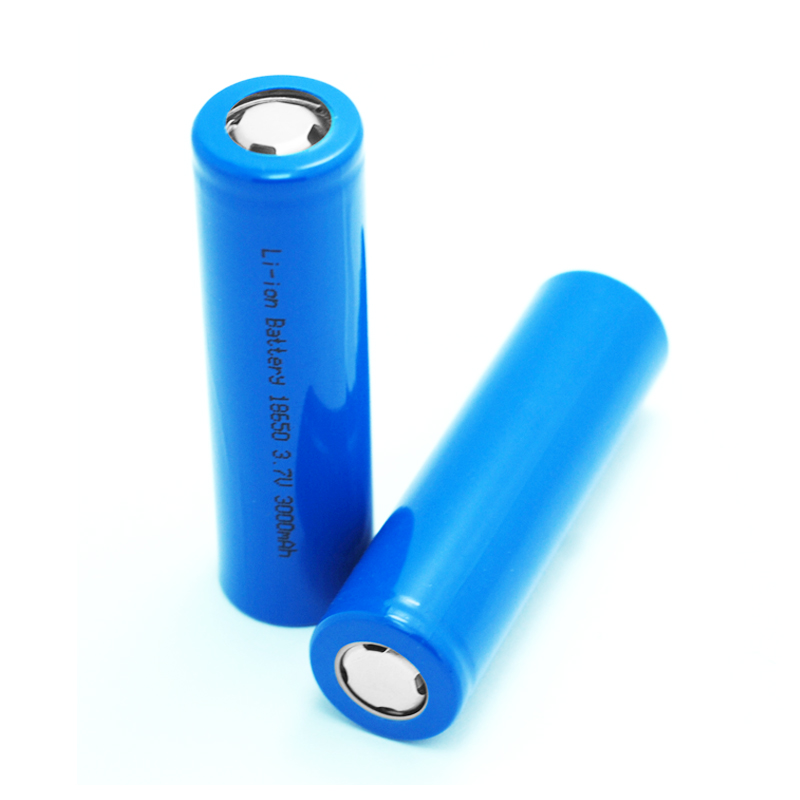
🔋 The Samsung 18650 INR 30Q is a nickel-rich NCA/NCM-type lithium-ion cell designed for energy-leaning applications with moderate current demand.
Core specifications (typical):
-
Nominal capacity: 3000mAh
-
Nominal voltage: 3.6–3.7V
-
Continuous discharge: 15A
-
Chemistry: INR (Nickel-based hybrid)
-
Format: 18650 Li-ion
📌 Direct conclusion: the 30Q is not a high-drain power cell, and it is not a low-drain energy cell—it lives in the middle.
🔁 What Does “Cycle Life” Mean for Samsung 30Q?
🔄 Cycle life is defined as the number of full charge–discharge cycles until the cell reaches a specified remaining capacity, usually 70% or 80% of original capacity, under controlled conditions.
For Samsung cells:
-
Standard reference: 80% remaining capacity
-
Test conditions: controlled temperature, specified charge/discharge current
📌 Cycle life is not a fixed number—it is a result of how the cell is used.
📊 Official Cycle Life of Samsung 30Q
🔋 Under typical manufacturer test conditions, the Samsung INR18650-30Q delivers:
-
~300 full cycles to 80% capacity
-
~500+ cycles to 70% capacity
Test assumptions usually include:
-
Charge rate: ≤0.5C
-
Discharge rate: ≤1C
-
Ambient temperature: ~25°C
📌 Push the current higher or temperature higher, and cycle life drops fast.
⚡ How Discharge Current Affects 30Q Cycle Life
🔌 Although rated at 15A continuous, cycle life strongly depends on actual operating current.
Typical trends:
-
≤5A average load → longest cycle life
-
8–10A average load → moderate degradation
-
Sustained near 15A → accelerated aging
📌 Using the 30Q continuously near its max rating is electrically allowed but chemically expensive.
🌡️ Temperature: The Silent Cycle-Life Killer
🔥 Elevated temperature is the fastest way to destroy cycle life.
Effects on Samsung 30Q:
-
35°C average cell temperature → noticeable capacity fade
-
45°C sustained → rapid internal resistance growth
-
60°C peaks → permanent damage risk
📌 Engineers design for cell temperature, not ambient temperature.
🔌 Charging Parameters and Their Impact
🔋 Recommended charging profile:
-
CC/CV to 4.20V
-
Charge current: ≤1.5A preferred
-
Termination current: ~100mA
Charging faster than recommended:
-
Increases lithium plating risk
-
Shortens cycle life
-
Raises internal resistance
📌 Fast charging trades time for lifespan—always.
⚙️ Engineer’s Guide: Maximizing Samsung 30Q Cycle Life
🔧 1. Limit Depth of Discharge (DoD)
-
Avoid full 100% → 0% cycling
-
Operate between ~20%–90% SOC
📌 Partial cycles dramatically extend usable life.
🔧 2. Derate Current in Pack Design
-
Parallel cells where possible
-
Avoid running single cells near limits
📌 Parallelization is cheaper than replacements.
🔧 3. Thermal Management Matters
-
Airflow > insulation
-
Avoid heat stacking in dense packs
📌 A cool 30Q outlives a hot 30Q every time.
🔧 4. Use Proper BMS Cutoffs
-
Over-discharge cutoff ≥2.5–2.7V
-
Avoid deep undervoltage
📌 Deep discharge damages graphite structure permanently.
❌ Common Misconceptions About Samsung 30Q
❌ “15A rating means it’s a power cell”
❌ “All 3000mAh cells behave the same”
❌ “Cycle life is independent of current”
❌ “Fast charging doesn’t matter”
📌 Most premature failures come from spec misuse, not bad cells.
🔄 Samsung 30Q vs Other 18650 Cells (Cycle Life Context)
-
Compared to high-drain cells (e.g. 25R):
→ Higher capacity, lower cycle life under heavy load -
Compared to energy cells (e.g. 35E):
→ Better current handling, slightly lower cycle life at low load
📌 The 30Q is a balanced cell, not an extreme one.
❓ FAQ
❓ How many cycles can a Samsung 30Q really last?
In well-designed systems, 500+ cycles to 70% capacity is realistic.
❓ Does charging to 4.1V extend cycle life?
Yes. Lowering charge voltage significantly increases cycle life at the cost of capacity.
❓ Is Samsung 30Q suitable for e-bikes?
Yes, for moderate-power e-bikes with proper parallel configuration and cooling.
❓ Does storage affect cycle life?
Yes. Store at ~40–60% SOC in cool conditions for minimal aging.
🛒 CTA – Source Genuine Samsung 30Q Cells
CHAWM supplies Samsung INR18650-30Q 3000mAh 15A batteries for OEMs, pack assemblers, and professional buyers. We provide genuine cells, verified batches, and engineering-level sourcing support—not rewraps or mixed lots.
🔋 Need bulk pricing or application advice for 30Q 18650 Samsung cells?
👉 Contact CHAWM today for reliable supply and technical guidance.
Related Articles
Why Do 18650 Batteries Explode?
How Often to Change BMW X3 2019 Battery?
What is the Best 18650 Battery for High Drain Devices?