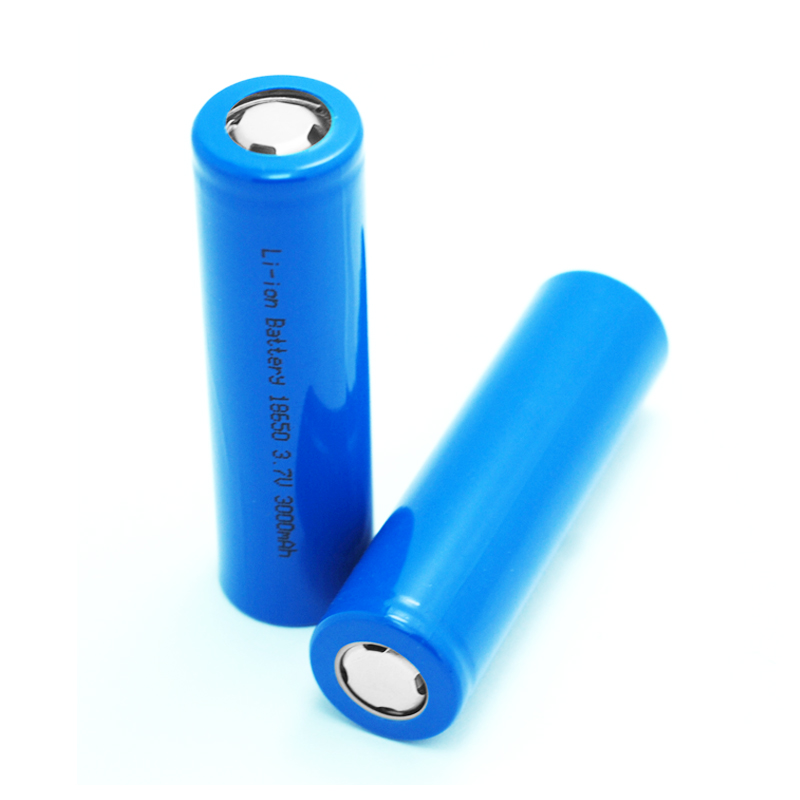
What Are the Two Types of 18650 Batteries?
🔋 Abstract
18650 batteries are ubiquitous in vape mods, flashlights, laptops, and DIY battery packs, but not all 18650s are the same. There are two main types: protected and unprotected 18650 batteries. Understanding the differences between 18650 protected vs unprotected cells is critical for safety, device compatibility, and performance optimization. This guide explains the technical distinctions, applications, selection advice, common misconceptions, and engineering considerations, plus FAQs and a CTA for sourcing genuine 18650 cells from CHAWM.
⚡ Overview: Protected vs Unprotected 18650
| Feature | Protected 18650 | Unprotected 18650 |
|---|---|---|
| Protection Circuit | Built-in PCB for overcharge, overdischarge, and short-circuit protection | None |
| Device Compatibility | Ideal for consumer electronics and devices without BMS | Best for battery packs with external protection |
| Form Factor | Slightly longer due to protection PCB | Standard 18650 length |
| Safety | Safer for standalone use | Higher risk if misused |
📌 The term “18650 built-in protection” refers to cells that include a small circuit board at the positive terminal that actively prevents unsafe operation.
🔍 Why Protection Matters
Protected 18650 batteries are designed to prevent common battery hazards:
-
Overcharge: stops the battery when voltage exceeds 4.2V
-
Overdischarge: prevents voltage dropping below 2.5–3.0V
-
Short circuit: interrupts current flow instantly
-
Thermal events: minor suppression of thermal spikes
Unprotected 18650 cells, by contrast, require a device or external BMS to provide these safeguards.
📌 Engineers often choose protected or unprotected based on device circuitry: devices with built-in BMS can safely use unprotected cells, whereas consumer electronics without protection circuits must use protected 18650s.
🔧 Applications
Protected 18650
-
Flashlights and headlamps (single-cell devices)
-
Consumer electronics like vape pens and cameras
-
Portable power tools with internal circuitry
Unprotected 18650
-
DIY battery packs for EVs, ebikes, or energy storage
-
High-drain applications where external BMS manages safety
-
RC vehicles and drones
📌 Protected cells are slightly longer and may not fit all devices. Always check the device’s cell compartment clearance.
🛠 Engineer’s Selection Advice
-
Evaluate the device design:
-
No BMS → protected recommended
-
External BMS → unprotected preferred (higher energy density, slightly smaller size)
-
-
Check thermal and current ratings:
-
Protected 18650s can be limited in continuous discharge (commonly 5–10A) due to PCB constraints
-
Unprotected 18650s often allow higher continuous current, ideal for power tools or high-drain packs
-
-
Battery pack design:
-
Multiple cells in series/parallel require careful balancing
-
Mixing protected and unprotected cells is not recommended
-
❌ Common Misconceptions
-
❌ “Protected 18650s are safer under all conditions” → True only for standalone use; external BMS can safely manage unprotected cells.
-
❌ “Unprotected cells are inherently dangerous” → Safe when used with proper BMS and handling.
-
❌ “Protection PCB adds no value in high-drain packs” → It prevents accidental overcharge/discharge during transport or single-cell usage.
-
❌ “All 18650 cells fit every device” → Protected cells are slightly longer; always verify fit.
❓ FAQs
❓ Can I use a protected 18650 in a high-drain mod?
Yes, but check the continuous discharge rating; the PCB may limit current.
❓ What is the difference in size between protected and unprotected?
Protected 18650s are typically 2–3mm longer due to the built-in PCB.
❓ Can I mix protected and unprotected cells in a pack?
No. Never mix; it can cause imbalance, overdischarge, and potential failure.
❓ Do protected cells charge slower?
Not inherently; charging rate depends on chemistry (IMR/ICR), not protection PCB.
🔋 CTA – Source Genuine 18650 Batteries
CHAWM supplies both protected and unprotected 18650 batteries with verified datasheets. We offer bulk orders and consultation for DIY battery packs, flashlights, vape devices, and high-drain applications.
👉 Contact CHAWM to buy genuine 18650 cells for your projects and ensure safety and performance.
Related Articles
What Has 18650 Batteries in It?
How Many Amps Does a 18650 Battery Have?
How Many 18650 Batteries to Make 1 kWh?
Can I Charge an 18650 Battery with an AA Charger?