What Are the Disadvantages of 18650 Batteries?
🔋 Abstract
The 18650 battery, a widely used 3.7 volt 18650 rechargeable battery, powers devices ranging from laptops to flashlights, vape mods, and DIY battery packs. While their high energy density, rechargeability, and longevity make them popular, there are notable drawbacks engineers and consumers should understand. This article explores the limitations of 18650 li-ion rechargeable batteries, including safety risks, performance constraints, and handling challenges, plus FAQs, expert selection advice, common misconceptions, and sourcing guidance for genuine cells.
⚡ Overview of 18650 Batteries
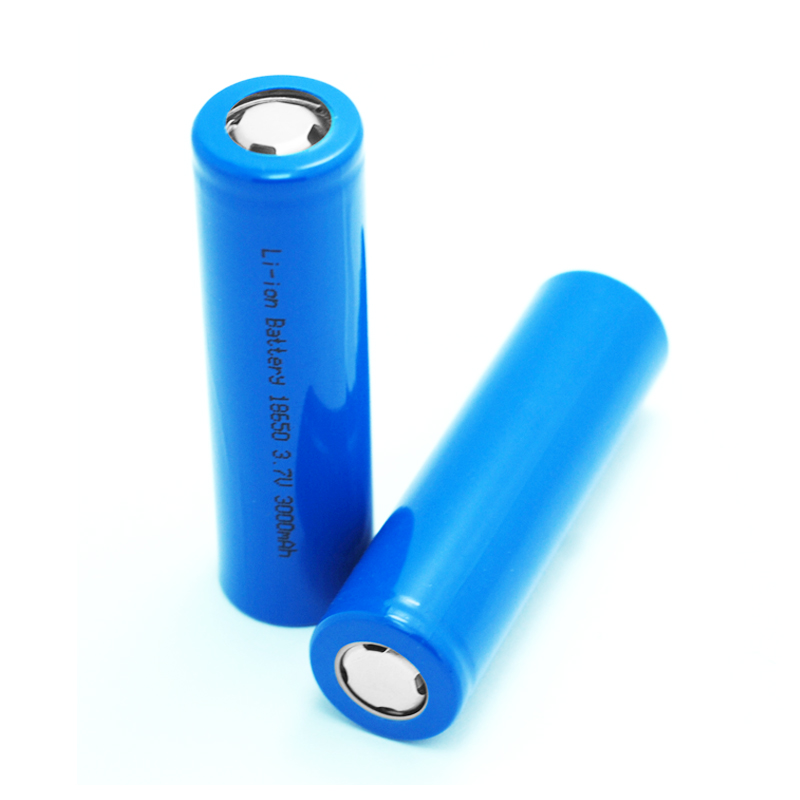
The 18650 battery is a cylindrical lithium-ion cell measuring 18mm in diameter and 65mm in length. It is available in both protected and unprotected formats, and comes in various capacities and discharge rates, making it versatile for high-drain and low-drain applications.
| Feature | Advantage | Limitation |
|---|---|---|
| Voltage | 3.6–3.7V | Voltage drops under load; not ideal for devices expecting stable voltage |
| Capacity | 1500–3500mAh typical | Energy density can vary; lower capacity reduces runtime |
| Rechargeable | 500–1000 cycles | Degradation over time; cycle life limited by depth-of-discharge and temperature |
| Size | Standardized 18650 size | May not fit smaller devices; protected versions slightly longer |
❌ Main Disadvantages of 18650 Batteries
1. Safety Risks
Lithium-ion chemistry carries inherent hazards:
-
Overheating: Can lead to thermal runaway and fire
-
Short-circuiting: Dangerous if cell terminals are exposed
-
Overcharge/overdischarge: Can permanently damage the battery
💡 Engineers always recommend using BMS (Battery Management Systems) or protected 18650 batteries for standalone applications.
2. Limited Cycle Life
Despite being rechargeable, typical 18650 batteries last 500–1000 cycles before significant capacity loss.
-
High depth-of-discharge accelerates wear
-
Extreme temperatures reduce lifespan
📌 Selecting high-quality cells (e.g., Panasonic, Samsung) mitigates degradation.
3. Energy Density Limitations
-
While high for size, a single 18650 provides only ~10–12Wh (3.7V, 3000mAh).
-
Large battery packs require many cells in series/parallel, increasing weight, complexity, and cost.
4. Charging and Current Limitations
-
Charge rates vary by cell type (ICR vs IMR)
-
Protected 18650s often limit continuous discharge, unsuitable for high-drain applications
5. Physical Constraints
-
Standard dimensions limit their use in compact electronics
-
Protected versions are slightly longer (PCB adds 2–3mm), causing fit issues in tight compartments
6. Cost and Availability
-
High-quality 18650 li-on rechargeable batteries can be expensive
-
Counterfeit or low-quality cells are common in the market, posing safety risks
📌 Always source from reputable suppliers like CHAWM, which offers genuine, verified 18650 batteries.
🛠 Engineer’s Selection Advice
-
Match cell type to application:
-
High-drain devices → IMR unprotected 18650
-
Consumer electronics → Protected 18650
-
-
Consider pack size carefully:
-
Large capacity needs → multiple cells → BMS required
-
Small devices → compact, protected cells
-
-
Monitor environmental conditions:
-
Avoid charging/discharging outside 0–45°C for longevity
-
Extreme cold reduces output; extreme heat accelerates degradation
-
❌ Common Misconceptions
-
❌ “18650s are maintenance-free” → They require proper charging and handling
-
❌ “All 18650 batteries have same performance” → Capacity, chemistry, and discharge rate vary widely
-
❌ “Protected cells are completely safe” → Only prevent overcharge/discharge; they still can fail under extreme conditions
-
❌ “Any battery can replace 18650” → Voltage and size must match device requirements
❓ FAQs
❓ Can I use a 18650 battery in a device that expects AA batteries?
No. 18650s are larger and provide higher voltage than AA cells (1.5V), risking damage.
❓ How do I safely charge a 18650 battery?
Use a dedicated lithium-ion charger with correct voltage and current settings, preferably with overcharge protection.
❓ What happens if an 18650 is punctured?
It can short-circuit internally, causing thermal runaway. Always handle carefully.
❓ Can I mix brands in a battery pack?
No. Different capacities, internal resistance, and chemistry can lead to imbalance and reduced lifespan.
🔋 CTA – Source Genuine 18650 Batteries
CHAWM offers verified, high-quality 3.7V 18650 li-ion rechargeable batteries in bulk and retail. Whether for DIY battery packs, flashlights, or vape devices, we ensure safety, authenticity, and performance.
👉 Contact CHAWM today to purchase genuine 18650 batteries and avoid risks associated with counterfeit cells.
Related Articles
What Has 18650 Batteries in It?
How Many Amps Does a 18650 Battery Have?
How Many 18650 Batteries to Make 1 kWh?
Can I Charge an 18650 Battery with an AA Charger?