Can I Use 18650 Instead of CR123?
Abstract
The question “can I use 18650 instead of CR123?” appears simple, but in practice it touches on cell chemistry, nominal voltage mismatch, physical constraints, discharge profiles, and device protection limits. While both batteries are commonly found in flashlights, tactical gear, cameras, and industrial electronics, 18650 vs CR123 is not a direct one-to-one substitution in most designs. This page explains when an 18650 battery can replace CR123, when it absolutely should not, and how engineers evaluate interchangeability without damaging devices or compromising safety.
🔋 Understanding 18650 vs CR123 at Cell Level
Before asking whether an 18650 battery replace CR123, it’s essential to understand that these cells were designed for different system assumptions.
🔹 CR123 (CR123A) Basics
🔹 Chemistry: Primary lithium (Li-MnO₂)
🔹 Nominal voltage: 3.0V
🔹 Fully charged (fresh): ~3.2V
🔹 Typical capacity: 1400–1700mAh
🔹 Non-rechargeable (most cases)
CR123 cells are optimized for long shelf life, stable voltage, and low self-discharge.
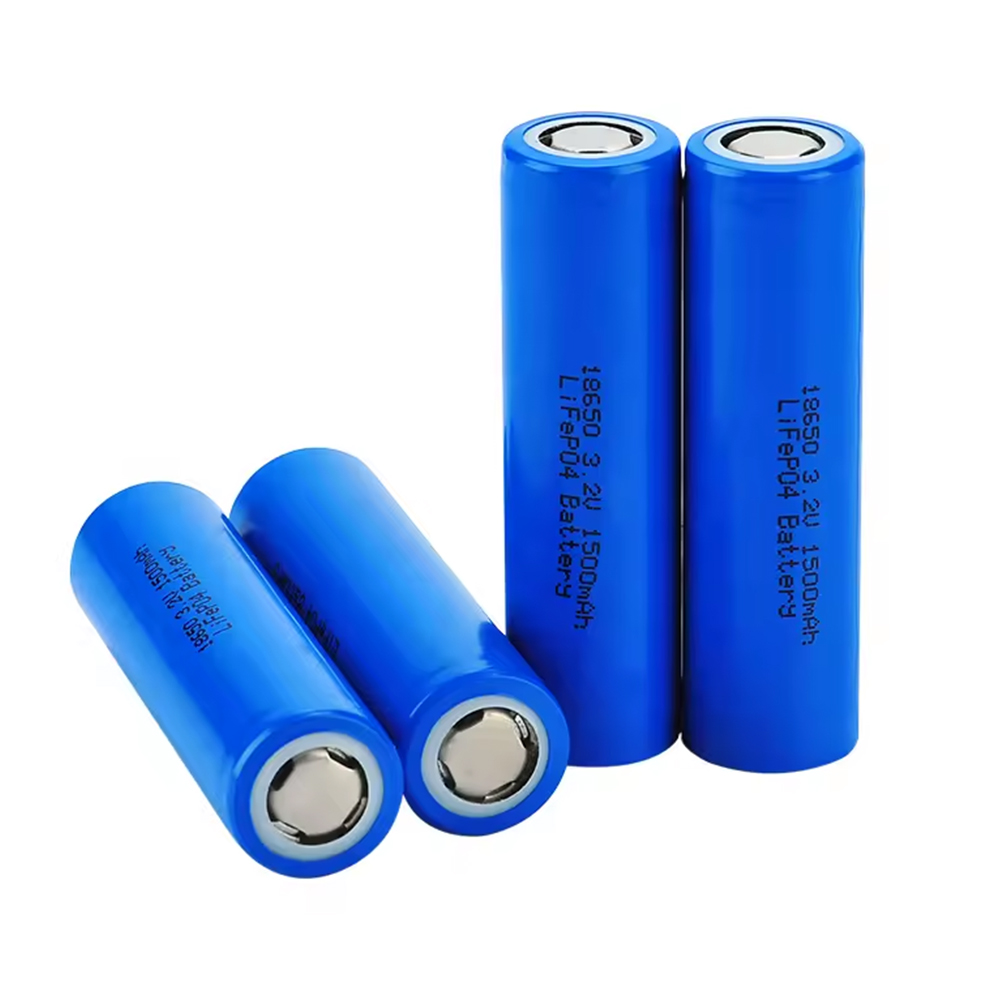
🔹 18650 Battery Basics
🔹 Chemistry: Lithium-ion (NMC, NCA, etc.)
🔹 Nominal voltage: 3.6–3.7V
🔹 Fully charged: 4.2V
🔹 Typical capacity: 2600–3500mAh
🔹 Rechargeable
An 18650 battery CR123 comparison already shows a major red flag: voltage mismatch.
⚠️ Voltage Is the Real Deal-Breaker
From an engineering perspective, voltage compatibility matters more than capacity.
📌 A device designed for:
-
1 × CR123 (3V) → cannot tolerate 4.2V
-
2 × CR123 (6V) → may survive 18650 only if regulated
Many failures occur because users assume:
“Higher capacity = better battery”
That assumption destroys electronics.
📏 Physical Size: The Second Hard Stop
🔋 CR123 size: 34.5 mm × 17 mm
🔋 18650 size: 65 mm × 18 mm
📌 Even if voltage were acceptable, an 18650 will not physically fit in most CR123 compartments without modification.
⚠️ Forcing fit causes:
-
Spring compression failure
-
Poor contact resistance
-
Intermittent power loss
🔌 Can 18650 and CR123 Be Interchangeable?
Short answer: rarely.
✅ Situations Where 18650 vs CR123 Is Acceptable
✔ Device explicitly supports both
✔ Internal buck/boost regulator present
✔ Rated input voltage up to 4.2V
✔ Battery tube sized for 18650
Some modern flashlights are dual-fuel designs, clearly labeled by manufacturers.
❌ Situations Where They Are NOT Interchangeable
✖ Cameras
✖ Medical devices
✖ Weapon lights not rated for Li-ion
✖ Legacy electronics
📌 In these cases, 18650 CR123 interchangeable is a myth.
🔥 Discharge Behavior Differences That Matter
Even if voltage and size align, discharge curves differ significantly.
🔹 CR123 maintains a flat 3.0V curve
🔹 18650 voltage declines from 4.2V to ~3.0V
📌 Devices without regulation may:
-
Overheat at startup
-
Shut down early
-
Misreport battery status
🛠️ Engineer’s Selection Advice
If your design or application is flexible, here’s how engineers decide:
🔧 Choose CR123 If:
🔋 Shelf life >10 years matters
🔋 Extreme temperature reliability needed
🔋 No recharging infrastructure
🔧 Choose 18650 If:
🔋 Rechargeability is required
🔋 High current draw (>3A)
🔋 Device includes proper regulation
📌 Engineers do not design systems assuming 18650 battery replace CR123 unless explicitly validated.
🚫 Common Misconceptions
❌ “One 18650 equals two CR123”
❌ “Higher mAh means safer replacement”
❌ “If it fits, it works”
❌ “Rechargeable CR123 and 18650 are the same”
Reality: Electrical tolerance defines compatibility, not marketing names.
❓ FAQ: 18650 Battery vs CR123
Q: Can I replace two CR123 with one 18650?
A: Only if the device supports 3.7–4.2V input and states compatibility.
Q: Are rechargeable CR123 the same as 18650?
A: No. Rechargeable CR123 (RCR123/16340) have different voltage and capacity.
Q: Will using 18650 damage my device?
A: In most CR123-only devices, yes — often permanently.
Q: Why do some flashlights allow both?
A: They include voltage regulation and thermal protection.
📣 CTA: Need the Right Battery for Your Device?
Choosing between 18650 vs CR123 shouldn’t be guesswork. If you’re sourcing batteries for OEM equipment or designing a product that must safely support both, our engineering team can recommend certified cells, proper regulation strategies, and tested alternatives.
Related Articles
Is the Sony VTC6 Good for Vaping?
What Are the Disadvantages of 18650 Batteries?
What Is the Maximum Charge Current of Samsung 35E?
How to Change the Battery in the Tapo SolarCam C403?
Why is My Lithium Battery Showing 0V?
What is the 80/20 Rule for Lithium Batteries?