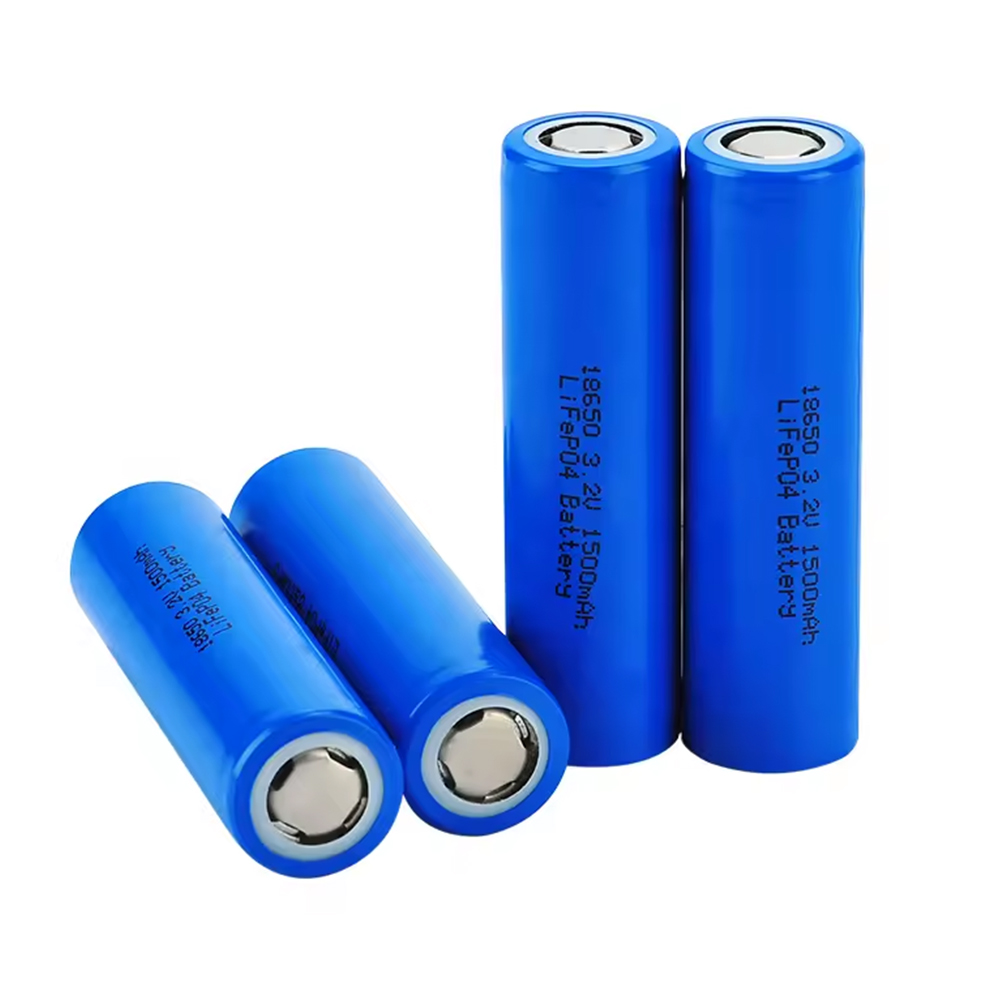
What is the 80/20 Rule for Lithium Batteries?
Abstract
The 80/20 rule for lithium batteries is a practical guideline suggesting that keeping lithium-ion cells, like 18650 batteries, between 20% and 80% state of charge (SOC) maximizes lifespan, minimizes capacity fade, and reduces thermal stress. This page explains why partial charging preserves cycles, optimal 18650 charging voltage, typical 18650 battery charging time, and safe practices for 18650 recharge. Engineers and battery pack designers widely adopt this strategy to balance performance and longevity in consumer electronics, power tools, and electric vehicles.
🔋 Understanding the 80/20 Rule
Lithium-ion cells degrade faster at full charge (4.2V) and deep discharge (<3.0V). The 80/20 rule sets practical limits:
-
Upper limit: ~80% SOC (~4.0V for 18650)
-
Lower limit: ~20% SOC (~3.3V for 18650)
⚡ Benefits of following this guideline:
-
Slower electrode degradation
-
Reduced internal resistance growth
-
Extended 18650 battery charge cycles
📌 For high-performance devices, this strategy improves reliability without major sacrifices in usable capacity.
⚡ Optimal 18650 Charging Voltage
Standard 18650 charging uses a constant current / constant voltage (CC/CV) profile:
-
Fast charge phase: Current limited to safe max (e.g., 1–2A for typical 3000mAh cells)
-
Voltage cutoff: 4.2V per cell for full charge
Engineer’s Adjustment for Longevity
-
Charging to 4.0V instead of 4.2V corresponds roughly to 80% SOC
-
Avoiding full 4.2V reduces stress on cathode and electrolyte
📌 This small adjustment can double the cycle life in laboratory and real-world tests.
⏱️ 18650 Battery Charging Time
Charging time depends on current, capacity, and cutoff voltage:
-
Standard 3A charge for 3000mAh 18650 → ~1.2–1.5 hours to 80%
-
CC/CV to 4.2V → 2–2.5 hours to full charge
-
Fast chargers may reduce time but increase thermal load and aging
⚡ Partial charging (up to 80%) is faster and safer, especially for daily-use batteries.
🔄 18650 Recharge Practices
Safe 18650 recharge practices according to the 80/20 rule:
-
Avoid repeated full charges unless required for maximum runtime
-
Keep cells within 20–80% SOC for storage
-
Use chargers with proper CC/CV profiles and termination detection
-
Maintain temperature between 10–40°C during charging
📌 Engineers often configure battery management systems (BMS) to enforce 80/20 limits automatically.
🛠️ Engineer’s Selection Advice
When designing or using 18650 packs:
🔧 If Longevity Matters
-
Choose cells with proven low internal resistance
-
Limit max charge to 4.0V per cell
-
Monitor SOC rather than relying solely on voltage
🔧 If Maximum Runtime Matters
-
Occasional 4.2V charging is acceptable
-
Ensure thermal protection and current limits are in place
-
Consider high-capacity cells with robust chemistry (e.g., Samsung 30Q)
📌 The 80/20 approach balances usable energy and cycle life in high-drain and daily-use applications.
❌ Common Misconceptions
❌ “Full 4.2V charge is harmless”
❌ “Deep discharge improves capacity utilization”
❌ “Cycle life is only affected by current, not voltage”
❌ “Partial charging wastes capacity”
Reality: Voltage stress is the primary driver of capacity fade, more than the number of cycles alone.
❓ FAQ: 80/20 Rule for 18650 Batteries
Q: Can I store 18650 batteries at 50% SOC?
A: Yes, this is ideal for long-term storage and minimizes self-discharge.
Q: Does charging to 80% reduce performance?
A: Minimal. Most devices tolerate a slightly reduced runtime for far better longevity.
Q: How does 80/20 affect high-drain devices?
A: It reduces heat buildup and extends battery pack life while still supporting peak currents.
Q: Can I use standard chargers for partial charging?
A: Yes, but monitor voltage or use chargers with programmable cutoff.
📣 CTA: Optimize Your 18650 Battery Life
Implementing the 80/20 rule for lithium batteries can dramatically extend 18650 battery charge cycles while maintaining safe charging voltage and performance. Our engineering team can help configure chargers, BMS, and usage strategies for maximized battery lifespan.
Related Articles
Why Are 18650 Batteries Hard to Find?
Can You Use AA Batteries Instead of 18650?
Can an 18650 Battery Have 5000mAh?
What Is a Flat Shape Type Battery Camcorders?
What Gauge Wire to Connect 12V Batteries to Make 24V?