How to Calculate 18650 Battery Capacity
Abstract
Calculating 18650 battery capacity is crucial for selecting the right cells, designing battery packs, and predicting runtime. Understanding 18650 battery how many mAh a cell truly delivers, how to test it, and safe 18650 how to charge and how to discharge 18650 is key for engineers and hobbyists alike. This guide covers practical methods to measure capacity, evaluate cell performance, and integrate 18650 cells into high-performance applications while avoiding common mistakes.
🔋 Understanding 18650 Battery Capacity
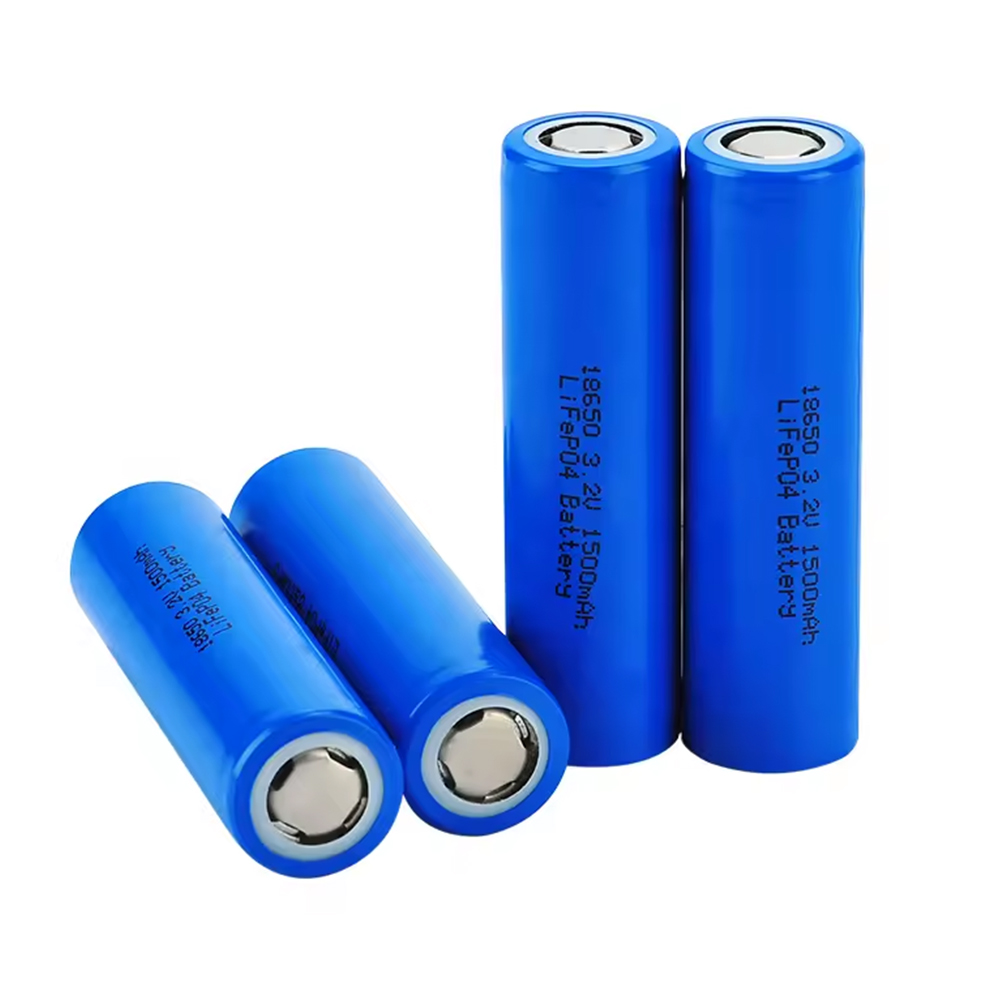
The capacity of a 18650 lithium-ion cell is typically expressed in milliampere-hours (mAh), indicating how much current the battery can deliver over time.
-
Typical values: 2000–3500mAh depending on chemistry and manufacturer
-
Nominal voltage: 3.6–3.7V per cell
-
Energy content: ~7–12Wh per cell
📌 Example: A 3000mAh 18650 can theoretically supply 3A for 1 hour, or 1A for 3 hours, though efficiency and load affect real-world output.
⚡ Step 1: How to Measure 18650 Battery Capacity
Accurate measurement requires controlled discharge:
-
Fully charge the 18650 to 4.2V using a proper CC/CV charger
-
Connect the battery to a constant-current load
-
Record the voltage over time until it reaches the cutoff (~3.0V)
-
Calculate capacity:
Capacity (mAh)=Current (A)×Time (h)\text{Capacity (mAh)} = \text{Current (A)} \times \text{Time (h)}
📌 Use high-precision chargers or battery analyzers for reliable results.
🔄 Step 2: How to Discharge 18650 Safely
Proper 18650 discharge ensures accurate capacity measurement and cell longevity:
-
Use a load within the continuous discharge rating (CDR)
-
Avoid exceeding the cutoff voltage (3.0V nominal minimum)
-
Monitor temperature; overheating reduces 18650 battery cycles
-
For high-drain cells (e.g., Samsung 30Q, Sony VTC6), discharge rates of 10–15A are safe; for standard cells, limit to 2–5A
📌 Engineers recommend recording voltage vs. time curves for precise energy analysis.
⚡ Step 3: How to Charge 18650
Charging impacts measured capacity and long-term health:
-
CC/CV method is standard
-
Charge current: 0.5–1C of nominal capacity (e.g., 1.5–3A for 3000mAh)
-
Voltage cutoff: 4.2V per cell for full charge
-
Avoid prolonged full charge cycles; 4.0V is often sufficient for longevity
📌 Repeated overcharge or rapid charging can skew capacity tests and reduce cycle life.
🧪 Step 4: Test 18650 Capacity for Real-World Applications
To verify 18650 battery how many mAh is deliverable:
-
Conduct multiple charge/discharge cycles to confirm consistency
-
Compare rated vs. actual capacity; some budget cells deliver only 60–70% of labeled mAh
-
Use battery analyzers for automated testing with logging
📌 Reliable capacity data is essential for battery pack design, especially when creating series/parallel configurations.
🛠️ Engineer’s Selection Advice
When selecting and calculating 18650 capacity:
🔧 Choose Cells with Verified Specs
-
Trusted manufacturers (Samsung, Sony, LG)
-
Low internal resistance for high-drain applications
-
Stable chemistry (NMC, NCA, LFP)
🔧 Match Charge/Discharge Profiles
-
Do not exceed rated C-rates
-
Maintain proper voltage cutoffs to avoid capacity fade
🔧 Scale for Pack Design
-
Series cells increase voltage, parallel cells increase capacity
-
Total pack capacity = single cell capacity × number of parallel cells
📌 Accurate calculation avoids underpowered devices and safety issues.
❌ Common Misconceptions
❌ “All 3000mAh cells deliver exactly 3000mAh” → real output varies
❌ “Faster charging does not affect capacity” → it reduces efficiency and cycle life
❌ “Voltage alone determines energy” → capacity and current limits define runtime
❌ “Discharge to zero increases usable capacity” → deep discharge accelerates degradation
❓ FAQ: 18650 Capacity Calculation
Q: How do I know the real 18650 capacity?
A: Fully charge and discharge under controlled load; measure current × time until cutoff.
Q: Can I use any charger for capacity testing?
A: Only chargers with accurate CC/CV profiles and voltage/current limits.
Q: How often should I test 18650 capacity?
A: Periodically for packs, especially for high-drain devices, to track degradation.
Q: Does temperature affect measured capacity?
A: Yes, high or low temperatures can reduce apparent mAh during testing.
📣 CTA: Optimize 18650 Battery Performance
Want precise 18650 battery capacity measurement and safe testing protocols? Our engineering team can provide cell selection, charge/discharge setup, and pack design guidance to ensure reliable performance in any application.
Related Articles
Is an 18650 Battery the Same as AA?
What Is the Difference Between 14500 and 18650 Battery?
Why Are 18650 Batteries So Hard to Find?
Where to Buy 18650 Batteries in Store?
What Is the Best 18650 Rechargeable Battery?