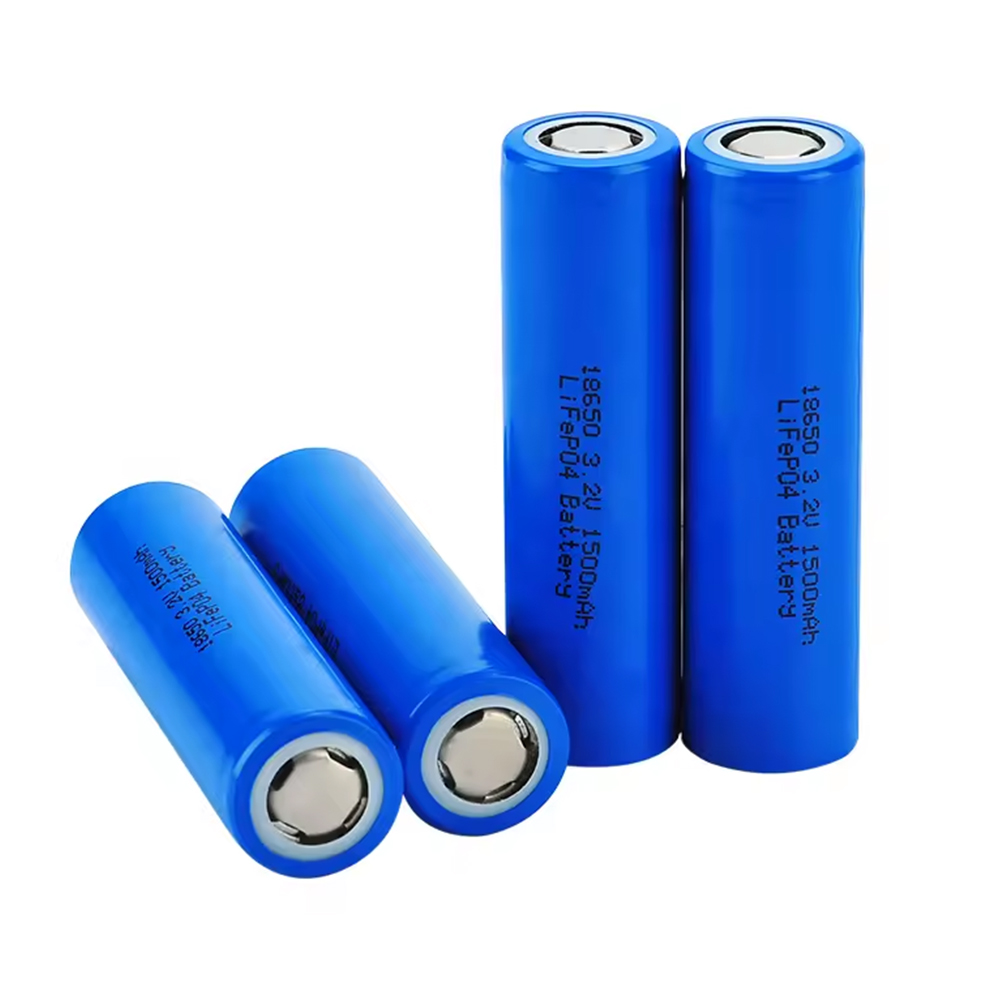
Why Do 18650 Batteries Explode
Abstract
18650 batteries are widely used in laptops, flashlights, vape mods, and electric vehicles, but they carry inherent risks. A 18650 explosion can occur due to overcharge, short circuits, mechanical damage, or thermal runaway. Understanding why 18650 batteries explode, proper handling of 18650 Li-on battery, and engineering design safeguards is essential for safety. This guide explores can 18650 batteries explode, common causes, prevention strategies, and safe pack design for engineers and hobbyists.
🔋 What Are 18650 Batteries Called?
The term “18650 battery” refers to cylindrical lithium-ion cells with dimensions:
-
Diameter: 18 mm
-
Length: 65 mm
-
Nominal voltage: 3.6–3.7V
-
Capacity: 2000–3500mAh (varies by chemistry)
📌 These cells are sometimes referred to as 18650 Li-on battery or cylindrical lithium-ion cells, widely used in high-energy-density applications.
⚡ Can 18650 Batteries Explode?
Yes, under certain conditions. Modern 18650 cells are robust, but they contain high-energy lithium compounds, which can ignite if safety is compromised. Common outcomes:
-
Thermal runaway: uncontrolled rise in temperature and pressure
-
Venting with flame or smoke
-
Catastrophic rupture leading to a 18650 explosion
📌 Explosions are rare but potentially dangerous; proper usage and handling are critical.
🔥 Common Causes of 18650 Explosions
1. Overcharging
Charging beyond 4.2V per cell stresses the cathode and electrolyte, producing heat and gas.
2. Overdischarge
Discharging below ~2.5–3V can destabilize the lithium compounds, reducing internal resistance and increasing risk during recharge.
3. Short Circuits
Direct contact of positive and negative terminals, or poor wiring in packs, can produce massive current spikes and heat.
4. Mechanical Damage
Punctures, dents, or crushing disrupt internal layers, creating internal shorts.
5. Thermal Stress
Exposure to high temperatures (>60°C) or heat accumulation in high-drain devices can trigger thermal runaway.
6. Poor Quality or Counterfeit Cells
Fake or low-quality cells often lack proper venting and separator integrity, making 18650 explosions more likely.
🛠️ Engineer’s Safety Recommendations
🔧 Battery Management System (BMS)
-
Monitors voltage and temperature
-
Prevents overcharge, overdischarge, and overcurrent
-
Balances series/parallel cells in packs
🔧 Thermal Management
-
Heat sinks, vented packs, or spacing cells for airflow
-
Avoid stacking high-drain cells without proper thermal design
🔧 Cell Selection
-
Use trusted manufacturers (Samsung, LG, Sony)
-
Match cells by chemistry, age, and capacity in packs
🔧 Safe Charging Practices
-
Charge with CC/CV chargers designed for 18650 cells
-
Avoid unattended charging or overnight charging in non-fireproof containers
📌 Engineers design packs and systems to prevent 18650 explosions even in demanding applications like e-bikes or high-drain power tools.
❌ Common Misconceptions
❌ “All 18650 batteries are dangerous” → Rare if handled properly
❌ “Explosions happen spontaneously” → Usually triggered by misuse
❌ “Any charger will work for 18650” → Wrong; must be CC/CV rated
❌ “Physical size alone defines safety” → Internal chemistry, separator, and BMS matter most
🔍 FAQ: 18650 Battery Safety
Q: Can 18650 batteries explode if left idle?
A: Unlikely. Explosions generally require overcharge, short circuit, or damage.
Q: Are high-drain 18650 cells more prone to explosions?
A: They can be if heat is not properly managed, but high-quality cells include safety features for current handling.
Q: What happens during a 18650 explosion?
A: Rapid gas expansion, smoke, potential flames, and possible casing rupture.
Q: How can I safely use 18650 cells?
A: Use BMS, avoid physical damage, charge with correct chargers, and store in fireproof containers.
📣 CTA: Ensure Safe 18650 Usage
Whether for DIY packs or industrial applications, preventing 18650 battery explosions starts with proper cell selection, pack design, and thermal/voltage management. Our engineering team can help you choose safe, high-quality 18650 Li-on batteries, implement BMS solutions, and design reliable battery systems.
Related Articles
How Much Lithium is in a 18650 Battery?
What’s the Difference Between a 14500 and 18650 Battery?
Can I Use 18650 Instead of CR123?