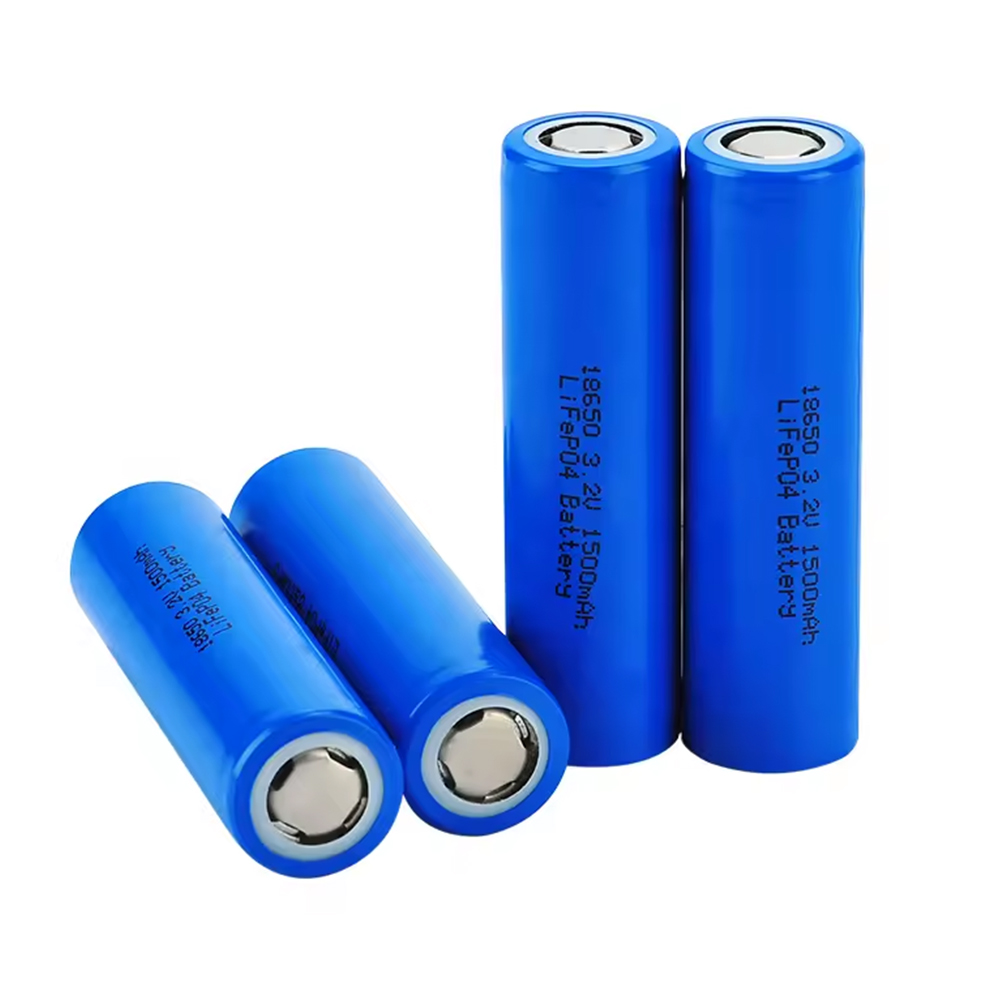
What Is CID in 18650 Cell
Abstract
The CID in 18650 cell is a critical safety component that prevents overpressure, thermal runaway, and catastrophic failure. Understanding 18650 CID, how it functions, and the controversial 18650 CID reset trick is essential for engineers and DIY enthusiasts working with lithium-ion cells. This guide covers CID mechanics, practical safety considerations, common misconceptions, and engineering advice for designing safe and reliable 18650 battery packs.
🔋 What Is 18650 CID?
CID stands for Current Interrupt Device. It is a built-in safety mechanism in 18650 lithium-ion cells designed to:
-
Cut off current flow during overpressure events
-
Prevent short circuits and thermal runaway
-
Protect the cell from mechanical or electrical abuse
📌 The CID is typically located beneath the positive terminal cap of the cell and is a small mechanical switch that opens when internal pressure exceeds a threshold.
⚡ How CID Works in 18650 Cells
When a cell is subjected to overcharge, overheating, or internal gas buildup:
-
Internal pressure rises due to electrolyte decomposition
-
The CID switch triggers, disconnecting the internal circuit
-
Current flow stops, preventing further heating or fire
-
After triggering, the cell must be handled carefully; it may be permanently disabled
🔹 Engineers consider CID a first-line safety feature in high-capacity or high-drain cells like Samsung 30Q or Sony VTC6.
🔌 18650 CID Reset and the Controversy
Some users explore the 18650 CID reset trick to “reactivate” a tripped cell. Key points:
-
CID reset may temporarily reconnect the cell internally
-
It is dangerous: the underlying issue causing CID activation (overpressure, short, or thermal event) remains
-
Attempting CID reset can result in fire, explosion, or permanent cell damage
-
Industry guidance: never reset CID cells for high-drain or critical applications
📌 Engineering practice mandates retirement or controlled recycling of CID-triggered cells rather than attempting a reset.
🛠️ Engineer’s Recommendations
🔧 Pack Design and Safety
-
Include BMS to prevent overcharge/overdischarge
-
Ensure thermal management in series/parallel configurations
-
Use cells from trusted manufacturers with verified CID functionality
🔧 Handling CID-Triggered Cells
-
Do not puncture, charge, or short the cell
-
Inspect for deformation, leakage, or discoloration
-
Safely dispose of or recycle
🔧 Monitoring
-
Use cell voltage and temperature monitoring to reduce CID triggers
-
Avoid high-rate charging/discharging beyond rated specifications
📌 Correct handling ensures pack longevity and safety while leveraging CID protection.
❌ Common Misconceptions
❌ “CID activation means the cell is fully dead” → It prevents current flow but internal chemistry may remain intact.
❌ “You can safely reset CID with household tricks” → Extremely dangerous, risk of explosion or fire.
❌ “CID is optional in packs” → Essential for preventing catastrophic failures in series/parallel assemblies.
❌ “All 18650 cells have the same CID rating” → Thresholds vary by manufacturer and chemistry.
🔍 FAQ: 18650 CID
Q: What triggers the CID in a 18650 cell?
A: Overpressure due to overcharge, overheating, or internal gas buildup.
Q: Can I reset the CID safely?
A: No. Resetting a tripped CID is unsafe and not recommended for any application.
Q: Does a CID prevent all battery failures?
A: No, it mitigates short circuits and overpressure but does not replace BMS or proper thermal management.
Q: How do I handle a cell with a triggered CID?
A: Retire it from use and follow safe recycling protocols. Do not attempt to recharge or puncture.
📣 CTA: Ensure Safe Use of 18650 Cells
For safe battery pack design, understanding 18650 CID is non-negotiable. Our engineering team can guide you on cell selection, BMS integration, and thermal management to maximize performance and prevent dangerous incidents in DIY and industrial applications.
Related Articles
How Much Lithium is in a 18650 Battery?
What’s the Difference Between a 14500 and 18650 Battery?
Can I Use 18650 Instead of CR123?