What to Do with Old 18650 Batteries
Abstract
Old 18650 batteries, whether from laptops, power tools, or e-bikes, still contain valuable materials but can pose safety risks if mishandled. Understanding what is 18650 Li-ion battery, how to test 18650 cells, and proper recycling or repurposing is critical. This guide explains safe practices for handling old 18650 cells, including testing, repurposing, and disposal, along with engineering advice for pack reuse and common misconceptions to avoid.
🔋 What Is 18650 Li-Ion Battery?
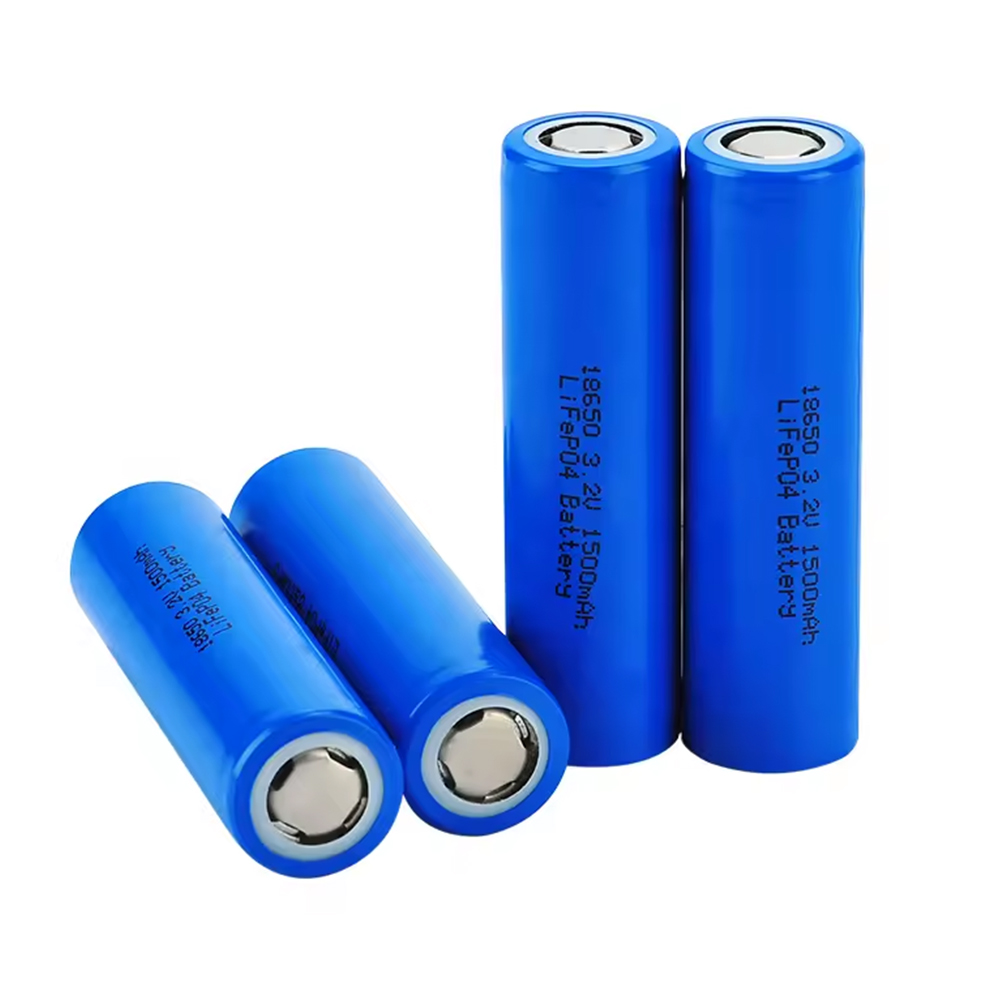
The 18650 Li-ion battery is a cylindrical lithium-ion cell with dimensions 18 mm × 65 mm and a nominal voltage of 3.6–3.7V. Typical capacities range from 2000–3500 mAh, with high-drain variants capable of 20A or more.
-
Applications: laptops, flashlights, e-bikes, vape devices, and DIY battery packs
-
Chemistry: NMC, NCA, INR, LFP, depending on manufacturer and application
-
Key Safety Feature: built-in Current Interrupt Device (CID) to prevent overpressure events
📌 These cells are prized for energy density but become safety risks once they age, degrade, or are physically damaged.
⚡ How to Test 18650 Batteries Before Reuse
Before repurposing or recycling old 18650 cells, engineers perform testing:
-
Visual Inspection: Look for dents, leakage, corrosion, or swelling.
-
Voltage Check: Measure with a multimeter; cells below 2.5V may be unsafe.
-
Capacity Test: Charge fully, discharge under a known load, and calculate real mAh.
-
Internal Resistance Test: High resistance indicates degraded performance.
📌 Testing ensures that only viable cells are reused and prevents accidents in DIY or industrial packs.
🔌 Safe Ways to Handle Old 18650 Cells
🔹 Repurpose
-
Create low-drain packs for LED lighting, solar storage, or DIY projects.
-
Only use cells with tested capacity >70% of original rating.
-
Balance cells in series/parallel arrangements and use a BMS.
🔹 Recycling
-
If the cell is damaged, swollen, or fails testing, recycling is mandatory.
-
Take old 18650 batteries to certified recycling centers or e-waste facilities.
-
Avoid throwing in regular trash to prevent fire or chemical hazards.
🔹 Storage Before Disposal
-
Store in non-conductive, fireproof containers
-
Separate old cells from new or high-drain packs
-
Keep at partial charge (~30–50%) to reduce thermal and chemical risk
🛠️ Engineer’s Advice for Old 18650 Batteries
-
Do not mix old and new cells: Aging cells can create imbalance in packs.
-
Check for swelling or leakage: Mechanical defects compromise safety.
-
Use proper charge/discharge currents: High currents stress aged cells, increasing risk of thermal events.
-
Include a BMS: Even repurposed packs require protection against overcharge, over-discharge, and overcurrent.
📌 Following these practices maximizes reuse potential while maintaining safety.
❌ Common Misconceptions
❌ “Old 18650 batteries are useless” → Many cells can be repurposed if tested properly.
❌ “All old cells are dangerous” → Proper testing and inspection identify safe ones.
❌ “You can throw lithium-ion batteries in trash” → Fire and environmental hazards make this illegal in many regions.
❌ “Voltage alone tells you if a cell is good” → Capacity and internal resistance testing are critical.
🔍 FAQ: Old 18650 Batteries
Q: Can I reuse old 18650 batteries from a laptop?
A: Yes, if they pass voltage, capacity, and resistance tests, and are not swollen or leaking.
Q: How do I safely dispose of old 18650 cells?
A: Take them to a certified recycling center or e-waste facility; do not throw them in regular trash.
Q: Can old 18650 batteries catch fire?
A: Yes, especially if punctured, shorted, or overcharged. Proper storage and handling reduce risk.
Q: Is it worth testing old 18650 cells?
A: Absolutely. Testing identifies reusable cells for low-drain applications and avoids unnecessary disposal.
📣 CTA: Safely Handle and Repurpose Old 18650 Cells
Whether repurposing for DIY projects or recycling, old 18650 batteries require careful testing, handling, and management. Our engineering team provides guidance on cell testing, pack design, and safe disposal to maximize utility and minimize hazards.
Related Articles
How to Spot Weld 18650 Batteries?
What Is the Cycle Life of Samsung 30Q?
Where to Buy Panasonic 18650 Batteries?
What Is the Difference Between ICR and IMR 18650 Batteries?
What Is the Range of the 72V 40Ah Lithium Battery?