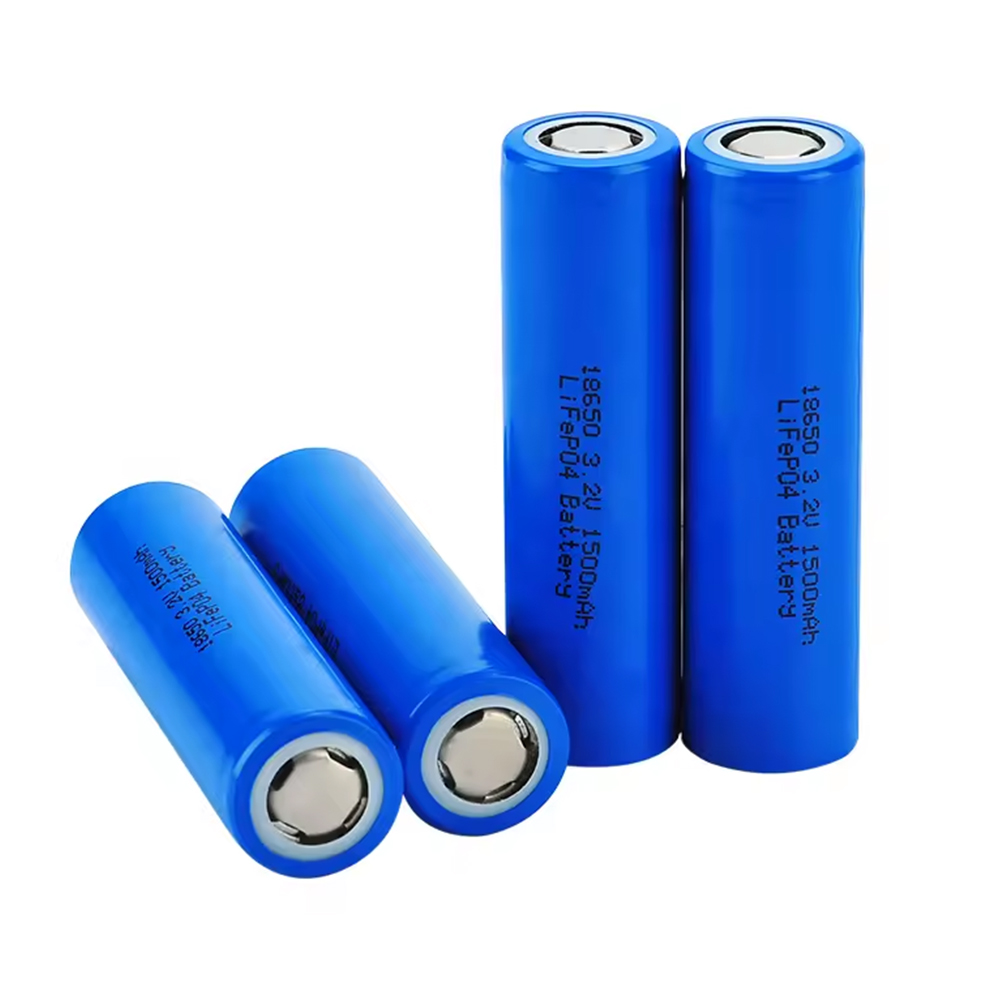
What Size Heat Shrink for 18650 Battery
Abstract
Choosing the correct heat shrink for 18650 battery is crucial for electrical insulation, mechanical protection, and safety. Using the right 18650 shrink wrap size prevents shorts, maintains pack integrity, and ensures reliable welding and handling. This guide explains 18650 battery heat shrink selection, proper application, and sizing using the 18650 heat shrink calculator, with engineering insights, common mistakes, FAQ, and DIY tips for building safe battery packs.
🔋 Why 18650 Battery Heat Shrink Matters
Heat shrink tubing provides a protective layer around 18650 cells. Its roles include:
-
Electrical insulation between cells and external contacts
-
Mechanical protection from scratches, punctures, and abrasion
-
Identification of polarity and battery type using color codes
-
Support for series/parallel pack assembly
📌 Using the wrong 18650 heat shrink can lead to short circuits, thermal issues, or mechanical failure, especially in high-drain or DIY battery packs.
⚡ Standard 18650 Heat Shrink Sizes
Typical 18650 shrink wrap size depends on cell diameter and desired overlap:
| Cell Diameter | Shrink Wrap Diameter | Recommended Length | Notes |
|---|---|---|---|
| 18.2 mm (standard 18650) | 20–22 mm | 65–70 mm | Slight overlap recommended for heat shrink seal |
| 18.4 mm (slightly wider cells) | 22–24 mm | 65–70 mm | Ensure tight fit after heating |
| High-capacity cells (thicker wrap) | 25 mm | 70 mm | Provides extra protection for high-drain packs |
📌 Always select heat shrink slightly larger than the cell diameter to allow for shrinkage without stressing the tubing.
🔌 Using a 18650 Heat Shrink Calculator
A 18650 heat shrink calculator helps determine the proper tubing:
-
Input cell diameter and length
-
Specify desired overlap at terminals
-
Select material: PVC or polyolefin (polyolefin is preferred for higher temperature resistance)
-
Adjust shrink ratio (2:1 is standard for 18650 cells)
📌 Calculators help avoid too-tight tubing that can tear during application or too-loose tubing that leaves exposed terminals.
🛠️ How to Apply 18650 Heat Shrink Properly
🔧 Step 1: Prepare the Cell
-
Remove old shrink if re-wrapping
-
Inspect the cell for dents, corrosion, or leaks
🔧 Step 2: Cut and Slide Shrink Wrap
-
Cut heat shrink slightly longer than the cell (~2–5 mm extra for overlap)
-
Slide over the cell, ensuring full coverage
🔧 Step 3: Apply Heat Evenly
-
Use a heat gun or low-power torch
-
Move the heat source along the length to avoid overheating one spot
-
Ensure tight and uniform shrink without deforming the cell
🔧 Step 4: Cool and Inspect
-
Let the wrap cool to room temperature
-
Check for tightness and exposed areas
-
Repeat for all cells in a pack
📌 Engineers often use a color-coding scheme for polarity and capacity identification in large battery packs.
❌ Common Misconceptions
❌ “Any shrink size fits all 18650 cells” → Variations in diameter require slightly larger shrink for tight fit.
❌ “Longer shrink is always better” → Excess material can fold or interfere with cell connections.
❌ “Heat gun can be extremely hot” → Overheating can damage the cell’s insulation or cause thermal runaway.
❌ “PVC is sufficient for all packs” → Polyolefin is preferred for high-drain or high-temperature applications.
🔍 FAQ: 18650 Heat Shrink
Q: What size heat shrink for a standard 18650 cell?
A: Typically 20–22 mm diameter and 65–70 mm length.
Q: Can I reuse old shrink wrap?
A: No, it loses elasticity and protection; always use fresh tubing.
Q: Should I shrink the wrap before or after assembling the pack?
A: Wrap individual cells before series/parallel assembly for consistent insulation.
Q: What material is best for heat shrink?
A: Polyolefin is preferred for its temperature resistance and durability.
📣 CTA: Protect Your 18650 Cells with Proper Heat Shrink
Whether building DIY packs, high-drain devices, or professional battery systems, choosing the right 18650 battery heat shrink ensures electrical insulation, mechanical protection, and long-term safety. Our engineering team provides guidance on shrink sizing, material selection, and application techniques for reliable and safe battery assemblies.
Related Articles
How to Spot Weld 18650 Batteries?
What Is the Cycle Life of Samsung 30Q?
Where to Buy Panasonic 18650 Batteries?
What Is the Difference Between ICR and IMR 18650 Batteries?
What Is the Range of the 72V 40Ah Lithium Battery?