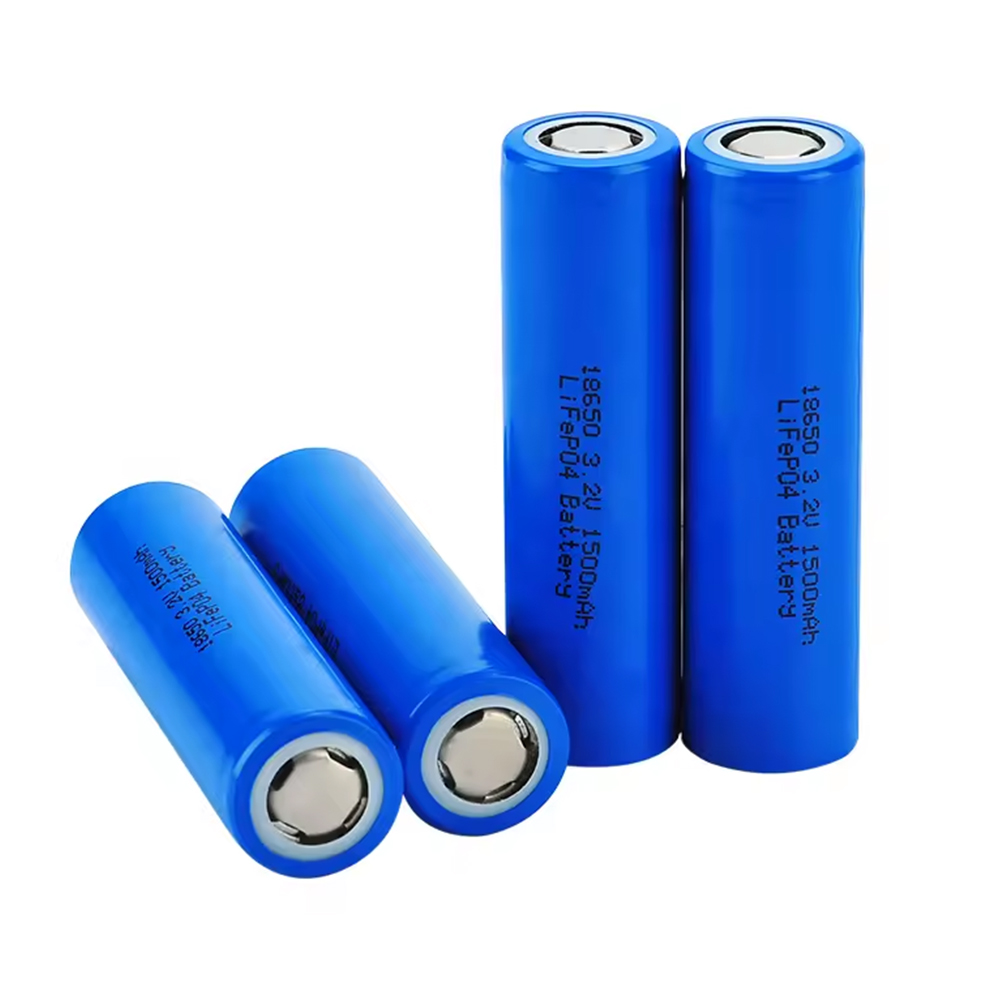
What Is IMR 18650 Battery
Abstract
An IMR 18650 battery is a high-drain lithium-ion cell designed for applications that demand fast current delivery and improved thermal stability. Compared with standard energy-focused 18650 cells, IMR 18650 3.7V batteries prioritize safety and discharge performance over maximum capacity. This page explains 18650 battery is what size, how bateria IMR 18650 chemistry works, where IMR 18650 battery 3000mAh 3.7V fits best, and how engineers evaluate IMR cells for real-world systems.
🔋 18650 Battery Is What Size?
The 18650 battery designation describes the physical format:
-
Diameter: 18 mm
-
Length: 65 mm
-
Shape: Cylindrical metal can
This size standard allows IMR cells to fit into the same holders and packs as other 18650 chemistries. However, same size does not mean same behavior.
📌 Engineers treat 18650 as a mechanical standard, not a performance guarantee.
⚡ What Does IMR Mean in IMR 18650?
IMR stands for Lithium Manganese Oxide (LiMn₂O₄) chemistry.
Key characteristics of IMR 18650 3.7V cells:
-
Nominal voltage: 3.6–3.7V
-
High discharge capability (often 15A–30A continuous)
-
Lower internal resistance
-
Improved thermal stability compared to cobalt-heavy cells
📌 IMR chemistry sacrifices some energy density to gain current handling and safety margin.
🔬 IMR 18650 Battery Chemistry Explained
Unlike NCA or NMC cells that emphasize capacity, IMR cells rely on manganese-rich cathodes:
-
Less prone to oxygen release under stress
-
Lower risk of thermal runaway
-
More tolerant of rapid discharge
This makes bateria IMR 18650 cells popular in unregulated or high-load environments.
📌 Direct conclusion: IMR is chosen when current matters more than runtime.
🔌 IMR 18650 Battery 3000mAh 3.7V: What to Expect
A IMR 18650 battery 3000mAh 3.7V represents the upper practical capacity range for this chemistry.
Typical characteristics:
-
Capacity: 2500–3000mAh
-
Continuous discharge: 20A+
-
Cycle life: 300–600 cycles (load-dependent)
-
Voltage sag: Lower under high current compared to energy cells
📌 Claims above 3000mAh for true IMR chemistry should be viewed skeptically.
🔦 Where IMR 18650 Batteries Are Used
IMR cells are chosen for applications with frequent high current spikes:
-
🔥 Vape devices and mechanical mods
-
🔦 High-output flashlights
-
🛠 Power tools
-
⚡ Robotics and motor controllers
-
🔋 DIY battery packs with burst loads
📌 In these applications, voltage stability under load matters more than headline capacity.
🛠️ Engineer’s Selection Advice
🔧 When IMR Is the Right Choice
-
Load current exceeds 10–15A
-
Device lacks sophisticated current limiting
-
Thermal safety margin is critical
🔧 When IMR Is Not Ideal
-
Long-duration, low-current energy storage
-
Solar or backup systems prioritizing Wh density
-
Packs where maximum runtime per cell is required
📌 Engineers often mix IMR logic with pack-level protections, not instead of them.
❌ Common Misconceptions
❌ “IMR batteries are completely safe”
→ Safer does not mean risk-free.
❌ “IMR has the highest capacity”
→ IMR trades capacity for discharge capability.
❌ “All 18650 batteries behave the same”
→ Chemistry defines performance, not size.
❌ “IMR cells don’t need a BMS”
→ Protection is still required in multi-cell packs.
🔍 FAQ: IMR 18650 Battery
Q: Is IMR 18650 safer than other lithium-ion cells?
A: Yes, generally more thermally stable, but still requires proper handling.
Q: Can I replace a standard 18650 with an IMR 18650?
A: Electrically yes, but capacity and runtime may differ.
Q: Are IMR 18650 batteries rechargeable?
A: Yes, all genuine IMR 18650 cells are rechargeable.
Q: Is 3000mAh realistic for IMR chemistry?
A: It is near the upper limit; higher claims are often exaggerated.
📣 CTA: Choose the Right IMR 18650 Battery
Selecting the correct IMR 18650 3.7V battery is about understanding load behavior, not chasing capacity numbers. Our engineering team helps evaluate cell chemistry, discharge profiles, and pack design to ensure safety and performance in demanding applications.