What Is the Most Powerful 18650 Battery?
Abstract
🔋 The term “most powerful 18650 battery” is often misunderstood, even within the lithium-ion industry. Power is not capacity alone, nor is it just discharge rate. This page breaks down what “powerful” actually means for an 18650 3.7V Li-ion battery, explains what size is 18650 battery, compares real-world performance metrics, and clarifies which cells dominate high-drain, high-energy, and balanced applications. Engineers, OEM buyers, and advanced users will find practical conclusions—not marketing noise.
🔍 What Size Is 18650 Battery — And Why It Matters
Before power is discussed, geometry matters.
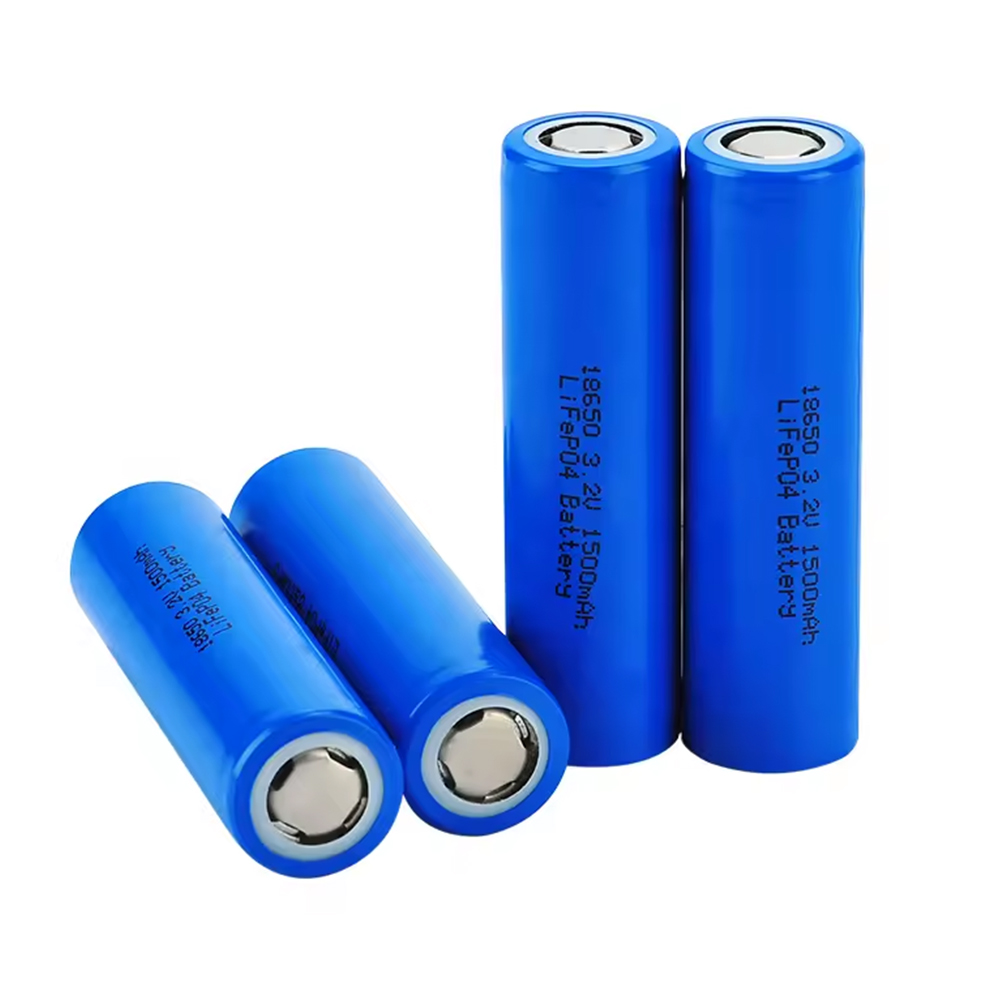
An 18650 battery measures:
📐 18mm diameter × 65mm length
⚖️ Typical weight: 45–49g
🔌 Nominal voltage: 3.6–3.7V
This cylindrical format became dominant not because it is small, but because it offers the best thermal surface-to-volume ratio among consumer Li-ion cells. That geometry enables higher discharge stability and better cycle consistency under load.
In short: the size of an 18650 battery is the foundation that allows “power” to exist safely at all.
⚡ What Does “Most Powerful 18650” Actually Mean?
Power is frequently confused with capacity.
From an engineering perspective, most powerful 18650 can mean three different things, depending on application:
🔹 High Discharge Power – maximum continuous current (A)
🔹 High Energy Output – usable watt-hours under load
🔹 Voltage Stability – minimal sag at high C-rates
A 3500mAh cell is useless in a power tool. A 30A cell is inefficient in a data logger. Context decides power.
👉 Direct conclusion: There is no single “most powerful 18650 battery” for all use cases—only the most powerful for a specific electrical profile.
🔥 Most Powerful 18650 Battery for High-Drain Applications
If power is defined as current delivery, then capacity takes a back seat.
Key metrics engineers watch:
⚙️ Continuous Discharge Rating (CDR)
🌡️ Internal resistance (IR)
📉 Voltage drop at 10–20A load
Cells commonly recognized as high-power leaders include:
• Sony / Murata VTC series
• Samsung 25R / 30Q
• Molicel P26A / P28A
These cells sacrifice energy density to achieve thermal stability under stress. In e-mobility, vaping, robotics, and power tools, this is what “most powerful 18650” really means.
🔋 Most Powerful 18650 in Terms of Energy Density
For applications running below 8–10A, power shifts definition.
Here, usable watt-hours per cycle matter more than peak amps.
High-energy 18650 cells typically offer:
🔹 3350–3500mAh nominal capacity
🔹 Lower max discharge (8–10A)
🔹 Higher gravimetric efficiency
These cells dominate in:
📡 IoT devices
🔦 High-end flashlights
🔋 Medical backup systems
Calling these the most powerful 18650 battery is correct only if runtime is your priority.
⚙️ 18650 3.7V Li-Ion Battery — Electrical Reality
Every 18650 3.7V Li-ion battery operates within the same voltage envelope:
🔌 Max charge: 4.2V
🔌 Nominal: 3.6–3.7V
🔌 Cut-off: 2.5–2.8V
What separates a powerful cell from an average one is not voltage—it’s how long that voltage is maintained under load.
Cells with poor chemistry sag early, triggering BMS cut-off and wasting theoretical capacity.
🧠 Engineering Selection Advice (No Marketing Filter)
If you’re selecting the most powerful 18650 battery, start with system math—not branding.
📌 Ask these questions first:
🔹 What is your continuous current draw?
🔹 Is peak load sustained or pulsed?
🔹 What is the thermal environment?
🔹 Is cycle life more important than peak output?
Rule of thumb from cell engineers:
If your load exceeds 50% of a cell’s rated CDR, it is not “powerful”—it is overstressed.
⚠️ Common Misconceptions About Powerful 18650 Batteries
🚫 “Higher mAh = more power”
→ False. Capacity does not equal discharge capability.
🚫 “All 18650s are 20A+”
→ Most high-capacity cells are limited to 8–10A.
🚫 “Rewrapped brands increase performance”
→ Rewrapping does not change chemistry or IR.
🚫 “Pulse ratings matter more than continuous”
→ Continuous ratings define real-world safety.
❓ FAQ — Most Powerful 18650 Battery
Q: What is the most powerful 18650 battery available today?
A: The answer depends on whether power means current, runtime, or voltage stability. High-drain and high-energy cells serve different purposes.
Q: What size is 18650 battery exactly?
A: 18mm diameter and 65mm length, standardized across manufacturers.
Q: Is a 3500mAh 18650 more powerful than a 2500mAh one?
A: Not in high-drain systems. Higher capacity often means lower max current.
Q: Are all 18650 3.7V Li-ion batteries interchangeable?
A: Electrically similar, functionally very different. Discharge limits matter.
📣 Call to Action
Looking for the right 18650 battery, not just the loudest spec sheet?
🔋 Our engineering team evaluates internal resistance, load curves, and thermal behavior—not marketing numbers.
👉 Contact us for application-matched 18650 cell recommendations.