Do 18650 Have BMS?
Abstract
🔋 The question “Do 18650 have BMS?” comes up frequently among engineers, DIY battery builders, and procurement teams. The short answer is no—standard 18650 cells do not include a BMS. But that answer alone is incomplete and often misleading. This page explains what a BMS for 18650 batteries actually does, when an 18650 battery with BMS exists as an assembled product, and how engineers decide whether a BMS 18650 solution is required at the cell, pack, or system level.
🔍 What an 18650 Cell Really Is
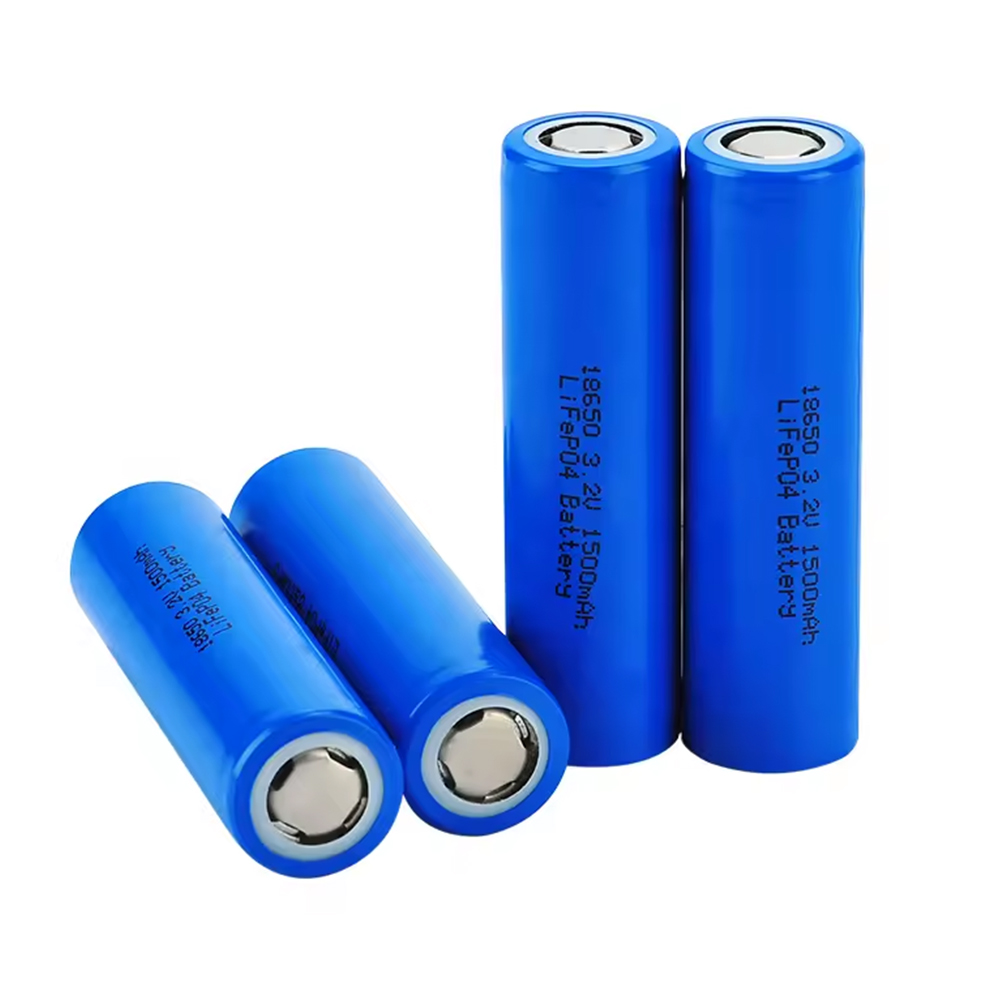
An 18650 battery cell is a single lithium-ion electrochemical unit.
By design, a bare 18650 includes:
🔹 Electrodes and separator
🔹 Electrolyte
🔹 Safety vent and CID (current interrupt device)
It does not include:
❌ Voltage monitoring
❌ Over-current protection
❌ Cell balancing logic
👉 Direct conclusion: A raw 18650 cell has no intelligence. Protection is external.
🧠 What Is a BMS and What Does It Do?
A BMS (Battery Management System) is an electronic control layer, not a cell component.
A proper BMS for 18650 batteries typically handles:
⚡ Over-charge protection
⚡ Over-discharge cut-off
🔥 Over-current and short-circuit protection
🌡️ Temperature monitoring
🔄 Cell balancing (in multi-cell packs)
Without a BMS, lithium-ion cells rely entirely on the user or device for safety.
🔋 Why 18650 Cells Do Not Have Built-In BMS
There are practical reasons manufacturers do not embed a BMS inside standard 18650 cells.
📐 Space limitations
🔥 Heat dissipation constraints
⚖️ Cost and yield efficiency
🔄 Application flexibility
Adding a BMS at the cell level would reduce energy density and lock the cell into a single use case. Instead, manufacturers assume system-level protection.
This is why bms for 18650 is always a separate component, not part of the cell itself.
🔒 What Is an “18650 Battery With BMS”?
When sellers advertise an 18650 battery with BMS, they usually mean:
🔹 A protected 18650 cell (cell + protection PCB)
or
🔹 A pre-assembled battery pack using 18650 cells
Protected cells include a small PCB attached to the negative terminal, offering basic over-charge and over-discharge protection.
⚠️ These are not full BMS units. They lack balancing and advanced diagnostics.
⚡ Single Cell vs Multi-Cell: BMS Requirements
From an engineering standpoint, BMS necessity scales with complexity.
🔋 Single 18650 cell
✔️ Protection optional, application-dependent
🔋🔋 Series or parallel packs
✔️ BMS is mandatory
In multi-cell configurations, voltage drift and imbalance occur naturally. Without a BMS for 18650 batteries, failure is not hypothetical—it is expected.
👉 Engineering rule: Any pack above 1S should never operate without a BMS.
🧠 Engineering Selection Advice: Choosing the Right BMS
Selecting a BMS for 18650 is about electrical behavior, not marketing labels.
📌 Engineers evaluate:
🔹 Cell chemistry and C-rate
🔹 Max continuous and peak current
🔹 Number of cells in series (S) and parallel (P)
🔹 Operating temperature range
Direct conclusion: An undersized BMS is worse than no BMS—it introduces false cut-offs and thermal stress.
⚠️ Common Misconceptions About BMS and 18650 Cells
🚫 “All 18650 batteries have built-in protection”
→ Only protected versions do—and even then, protection is minimal.
🚫 “A protected cell replaces a pack BMS”
→ False. Protection PCB ≠ balancing BMS.
🚫 “Low current systems don’t need a BMS”
→ Over-discharge damage is current-independent.
🚫 “BMS affects capacity”
→ BMS controls safety, not chemistry.
🔬 Real-World Failure Without BMS
In lab and field analysis, unprotected 18650 cells fail due to:
🔥 Over-discharge copper dissolution
⚡ Internal short circuits
📉 Accelerated capacity fade
Most failures occur without visible swelling, making a BMS the only reliable prevention layer.
❓ FAQ — BMS and 18650 Batteries
Q: Do standard 18650 cells include a BMS?
A: No. Standard cells rely on external protection.
Q: Is a protected 18650 the same as a BMS?
A: No. It provides basic protection but no balancing.
Q: When is a BMS mandatory for 18650 batteries?
A: Any multi-cell pack or unattended system.
Q: Can I add a BMS to an existing 18650 pack?
A: Yes, but wiring and current rating must be correct.
📣 Call to Action
Designing or sourcing 18650 battery systems?
🔋 We provide matched 18650 cells, certified BMS solutions, and pack-level engineering support.
👉 Contact us for application-specific BMS recommendations.