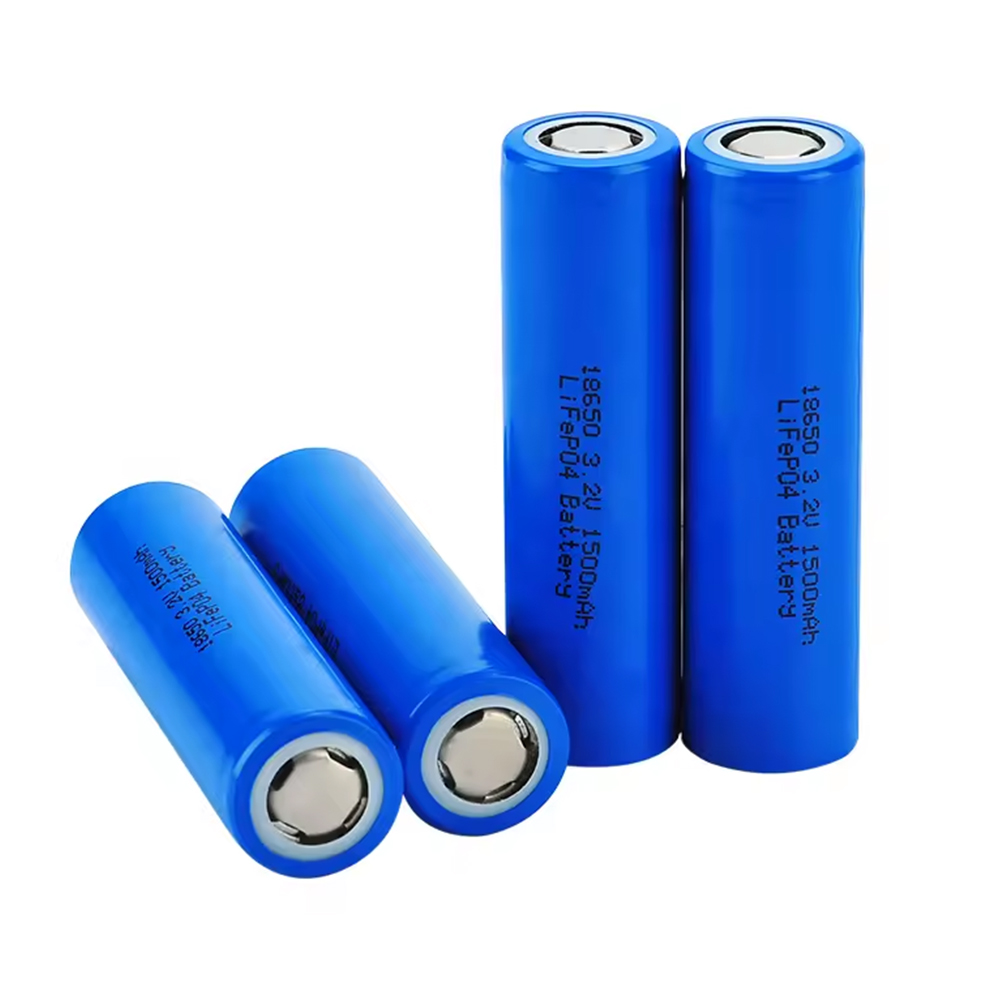
Sony 18650 Battery: Is Sony ICR 18650 Still Worth Using?
Abstract
The Sony 18650 battery has long been a reference point in the lithium-ion industry, especially for engineers who value consistency over marketing specs. This page answers the real questions behind battery 18650 Sony cells—what Sony ICR 18650 actually means, how these cells compare to modern alternatives, and when choosing a Sony 18650 still makes technical and commercial sense. No hype, no recycled datasheets—just application-driven analysis based on industry practice.
🔋 What Is a Sony 18650 Battery?
A Sony 18650 battery refers to cylindrical lithium-ion cells originally produced by Sony Energy Devices. These cells were widely adopted in:
-
Power tools
-
Industrial battery packs
-
Medical and backup systems
Sony exited direct cell manufacturing years ago, transferring technology and production lines into what later became Murata. That matters, because authentic Sony 18650 cells are no longer newly produced, though Murata equivalents still follow similar design logic.
Direct conclusion: If it’s labeled “new Sony 18650,” verify the source carefully.
🧪 What Does Sony ICR 18650 Mean?
Sony ICR 18650 identifies the cathode chemistry:
-
ICR = Lithium Cobalt Oxide (LiCoO₂)
-
Higher energy density
-
Lower maximum discharge compared to IMR or INR
Sony’s ICR cells were designed for:
-
Stable discharge
-
Moderate current loads
-
Long cycle life under controlled conditions
They were never intended for high-drain applications like modern vaping or high-power tools.
⚡ Battery 18650 Sony: Typical Electrical Characteristics
While exact models varied, most Sony ICR 18650 cells shared:
-
Nominal voltage: 3.6–3.7V
-
Capacity: 2200–2600mAh (true rated)
-
Continuous discharge: typically ≤10A
Unlike inflated market claims today, Sony’s ratings were conservative and thermally honest.
🧱 Why Sony 18650 Cells Built Their Reputation
Sony’s engineering philosophy emphasized:
-
Tight internal resistance control
-
Low batch variance
-
Predictable aging curves
For battery pack designers, this meant:
-
Easier series balancing
-
Fewer early cell failures
-
More reliable SOH modeling
This is why legacy industrial packs still specify battery 18650 Sony as a baseline reference.
🔍 Sony 18650 vs Modern Alternatives
Let’s be clear: Sony ICR 18650 is not cutting-edge anymore.
Compared to modern INR cells:
-
Lower discharge capability
-
Less thermal headroom
-
Higher reliance on external protection
However, for low-to-mid current systems, Sony-style cells still perform predictably—something many “high-capacity” no-name cells fail to do.
Engineer’s verdict: Consistency beats headline specs in long-life systems.
🛠️ Engineer’s Selection Advice (Application First)
Choose Sony-style ICR 18650 cells if:
-
Discharge current stays below 8–10A
-
Thermal control is limited
-
Long calendar life matters more than power
Avoid them if:
-
Peak current spikes exceed design margin
-
The system lacks a robust BMS
-
Space allows newer INR chemistry
Always design around measured internal resistance, not label capacity.
⚠️ Common Misconceptions About Sony 18650
❌ “Sony 18650 batteries are still in production”
→ Sony-branded cells are discontinued; Murata produces successors.
❌ “All Sony 18650 are high-drain”
→ Most Sony ICR 18650 cells are not.
❌ “Higher mAh means better quality”
→ Sony rarely chased extreme capacity for safety reasons.
❓ FAQ: Sony 18650 Battery
Q1: Are Sony 18650 batteries safe?
Yes—when authentic and used within rated limits. Abuse tolerance is lower than INR cells.
Q2: Can Sony ICR 18650 be used in high-drain devices?
No. That risks overheating and rapid degradation.
Q3: How can I identify real Sony 18650 cells?
Check factory codes, vent structure, and supplier traceability. Price alone is not a guarantee.
Q4: Is Murata the same as Sony 18650?
Murata inherited Sony’s technology, but part numbers and specs differ—do not assume 1:1 replacement.
🛒 CTA: Need Reliable 18650 Cells for Your Project?
If your application references Sony 18650 performance standards but requires current production cells, we help engineers cross-reference authentic alternatives with verified test data.
👉 Contact our technical team for qualified 18650 solutions—no rewraps, no inflated specs.