18650 Battery Bank: Is a DIY Power Bank Worth Building?
Abstract
An 18650 battery bank is often marketed as a simple DIY project, but in practice it combines lithium-ion cell behavior, boost-converter efficiency, protection circuitry, and mechanical constraints. This page answers the real questions behind a DIY power bank 18650, explains what a power bank case kit 18650 actually includes, and clarifies when an 18650 battery bank case is a practical solution—or a liability. The analysis is grounded in electrical engineering logic, not hobby-level assumptions.
🔋 What Is an 18650 Battery Bank?
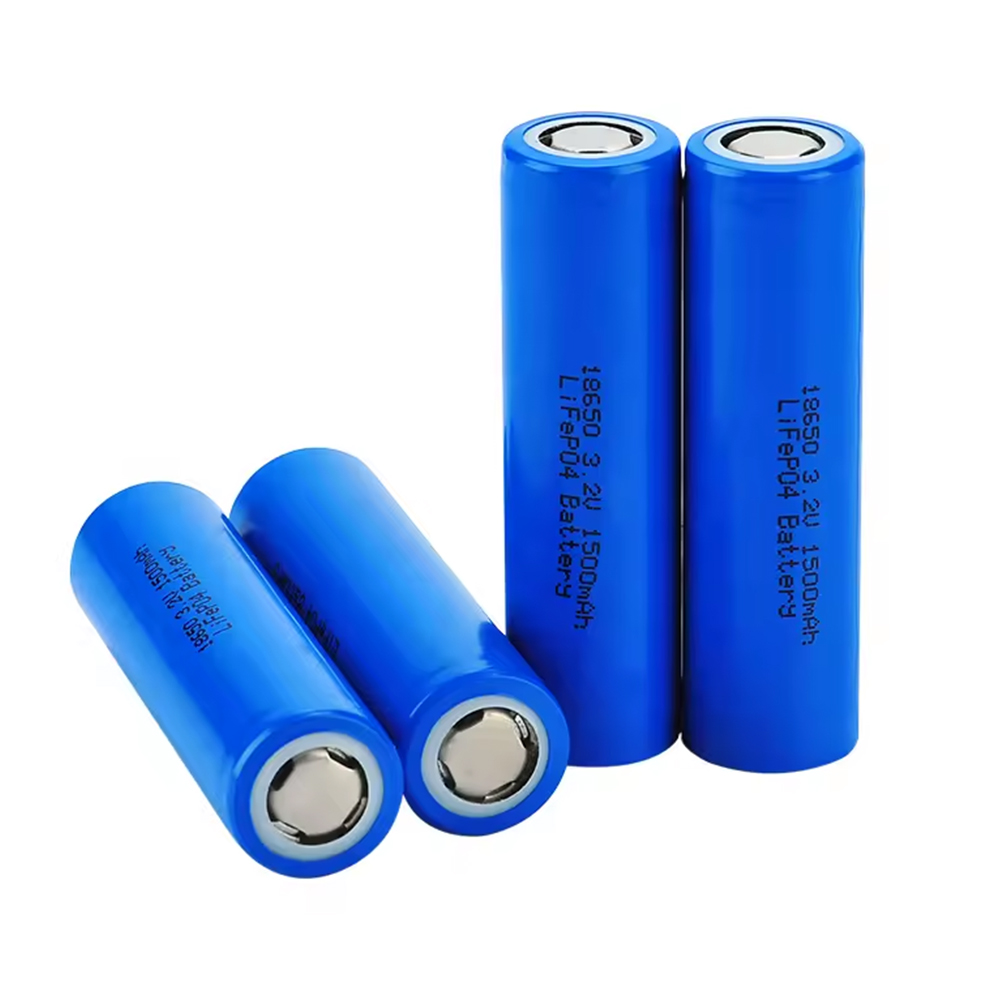
An 18650 battery bank is a portable power source that uses one or more 18650 lithium-ion cells, combined with:
-
A protection and balancing circuit
-
A DC-DC boost converter (usually 5V USB output)
-
A mechanical enclosure
Unlike sealed consumer power banks, these systems depend heavily on cell quality and layout.
Direct conclusion: The cells matter more than the case.
🔧 What Does a DIY Power Bank 18650 Actually Involve?
A DIY power bank 18650 is not just inserting cells into a box. It involves:
-
Selecting matched cells
-
Managing series or parallel wiring
-
Ensuring proper thermal dissipation
-
Relying on a low-cost boost module
Most power bank case kit 18650 products include:
-
Plastic enclosure
-
Basic boost/charging PCB
-
Spring-based or fixed contacts
They rarely include robust balancing or accurate SOC measurement.
⚡ Electrical Reality of a Power Bank Case Kit 18650
Typical 18650 battery bank case designs operate as:
-
1S (3.6–4.2V) lithium pack
-
Boosted to 5V at the output
This means:
-
Output current is limited by both the cell and the converter
-
Voltage sag at the cell side is amplified at the output
Example: A 2A USB load may pull over 3A from the 18650 cell.
Engineering reality: Boost efficiency dictates usable capacity, not nominal mAh.
🔥 Current, Heat, and Efficiency Considerations
Most DIY cases:
-
Advertise 2.1–3A output
-
Cannot sustain that continuously without heating
Key limitations:
-
Thin PCB traces
-
Low-cost inductors
-
Inadequate thermal paths
This is why many DIY power banks throttle output or shut down under sustained load.
🧠 When Does an 18650 Battery Bank Make Sense?
An 18650 battery bank is reasonable when:
-
Cells are authentic and well-matched
-
Output power demand is modest
-
User understands lithium-ion handling
Typical valid use cases:
-
Emergency backup
-
Low-power travel charging
-
Engineering test power
It is not ideal for fast charging modern devices continuously.
🛠️ Engineer’s Selection Advice: Building or Buying
From an engineering standpoint:
-
Prefer parallel-only (1SxP) configurations for safety
-
Avoid mixing old and new cells
-
Choose cases with solid soldered contacts, not loose springs
Direct advice: If the kit doesn’t specify converter efficiency or protection limits, assume minimal margins.
⚠️ Common Mistakes in DIY Power Bank 18650 Builds
❌ Using reclaimed or mismatched cells
→ Leads to imbalance and rapid degradation.
❌ Trusting inflated output ratings
→ Real sustained output is usually lower.
❌ Ignoring thermal buildup
→ Plastic cases trap heat.
❌ Assuming all cases support protected cells
→ Length differences cause poor contact.
❓ FAQ: 18650 Battery Bank
Q1: How many 18650 cells do I need for a power bank?
More cells increase capacity, not output voltage.
Q2: Is a DIY power bank safer than a branded one?
Only if built with quality components and correct protection.
Q3: Can I use high-drain cells?
Yes, but capacity will be lower; efficiency still limits output.
Q4: Do power bank case kits balance cells?
Most do not actively balance—parallel wiring hides imbalance.
🛒 CTA: Need a Reliable 18650 Power Solution?
If your project goes beyond a hobby DIY power bank 18650, we help engineers specify safer, higher-efficiency portable power solutions using authentic cells and tested electronics.
👉 Contact our technical team for application-matched 18650 battery systems.