What Does a Real 18650 Cell Weigh?
Abstract
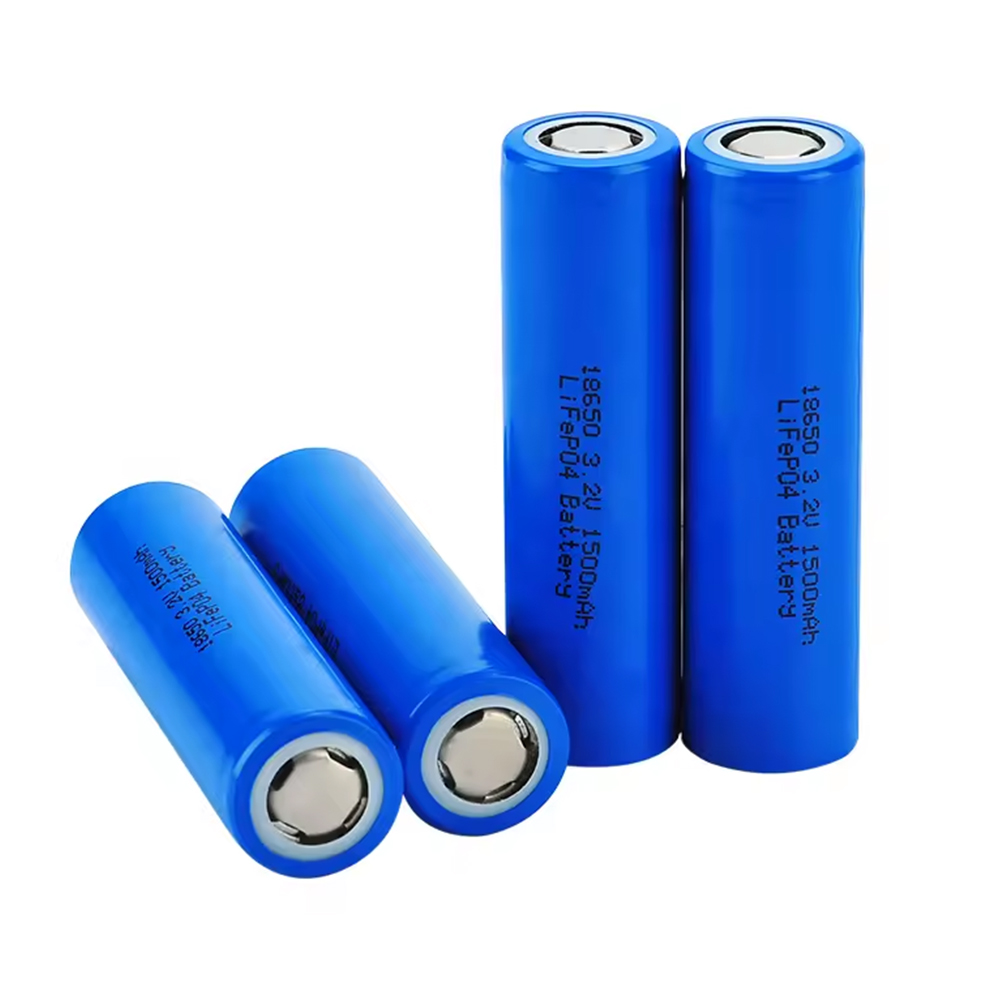
The 18650 battery weight is often overlooked until it becomes a design constraint. Whether you are building a battery pack, evaluating supplier claims, or optimizing for energy density, understanding the weight of 18650 battery cells matters more than many realize. This page answers practical questions about the weight of 18650 cell designs, explains why 18650 lithium battery weight varies across manufacturers and chemistries, and shows how engineers use weight as a quick authenticity and performance check.
⚖️ What Is the Typical Weight of an 18650 Battery?
A genuine 18650 lithium battery weight typically falls between:
-
43 g to 48 g for most modern cells
Energy-dense models often approach the higher end of this range, while older or lower-capacity cells sit closer to 43–45 g.
Direct conclusion: If an “18650” weighs under 40 g, it is almost certainly underbuilt or counterfeit.
🔋 Why Does 18650 Battery Weight Matter?
The weight of 18650 battery reflects:
-
Active material mass
-
Current collector thickness
-
Safety components (CID, PTC, vent)
Heavier does not automatically mean better, but there is a minimum mass required to achieve real capacity.
In engineering practice, weight is a fast proxy for energy density integrity.
🧪 Weight of 18650 Cell by Chemistry
Different cathode chemistries influence the weight of 18650 cell:
-
ICR (LiCoO₂)
Higher energy density, moderate mass -
INR (NMC)
Balanced capacity and current, slightly heavier -
IMR (LiMn₂O₄)
Lower capacity, often lighter
Despite chemistry differences, the metal can and safety structure keep most cells in a narrow weight window.
🔍 Typical Weights from Major Manufacturers
Real-world examples of 18650 battery weight:
-
Panasonic/Sanyo NCR series: ~47–48 g
-
Samsung 35E: ~48 g
-
Molicel M35A: ~47 g
-
Older 2200mAh cells: ~44–45 g
This consistency is not accidental—it reflects standardized industrial design limits.
🧠 Weight vs Capacity: What Engineers Actually Check
Engineers often calculate:
-
Wh per gram, not just mAh
Example:
-
3.6V × 3.5Ah = 12.6Wh
-
12.6Wh / 48 g ≈ 0.26 Wh/g
Cells claiming similar capacity at much lower weight violate basic material constraints.
Blunt truth: Physics does not negotiate with marketing.
🛠️ Engineer’s Selection Advice: Using Weight as a Filter
When sourcing cells:
-
Weigh random samples
-
Compare against known benchmarks
-
Reject outliers early
Weight deviations of ±1 g are normal. Larger differences signal:
-
Reduced active material
-
Thinner collectors
-
Missing safety features
This method catches many rewrapped or downgraded cells before testing.
⚠️ Common Misconceptions About 18650 Battery Weight
❌ “Lighter means more advanced”
→ Not at current lithium-ion energy limits.
❌ “All 18650 cells weigh the same”
→ They cluster, but variation exists.
❌ “Weight doesn’t affect performance”
→ It directly correlates with usable energy.
❌ “Heavier always means safer”
→ Safety comes from design, not mass alone.
❓ FAQ: Weight of 18650 Battery
Q1: What is the standard weight of an 18650 cell?
Typically 45–48 g for modern lithium-ion cells.
Q2: Do protected 18650 batteries weigh more?
Yes. Protection circuits and wrappers add 3–6 g.
Q3: Can weight help identify fake batteries?
Yes. Extremely low weight is a strong warning sign.
Q4: Does battery age change weight?
No. Capacity fades, mass remains essentially constant.
🛒 CTA: Need Verified 18650 Cells with Real Specs?
If your application depends on predictable 18650 lithium battery weight and authentic capacity, we supply tested cells with traceable data—no inflated ratings, no surprises.
👉 Contact our engineering team for qualified 18650 battery sourcing.