🔋 How to Design a Lithium-Ion Battery Pack?
🧠 Summary
Designing a lithium-ion battery pack requires a deep understanding of electrochemistry, electrical engineering, thermal management, and safety standards. This guide explains the complete battery pack design process—from defining requirements to cell selection, BMS integration, mechanical design, and compliance—helping engineers and product developers create reliable, safe, and high-performance lithium-ion battery solutions for various applications.
📌 What Is a Lithium-Ion Battery Pack?
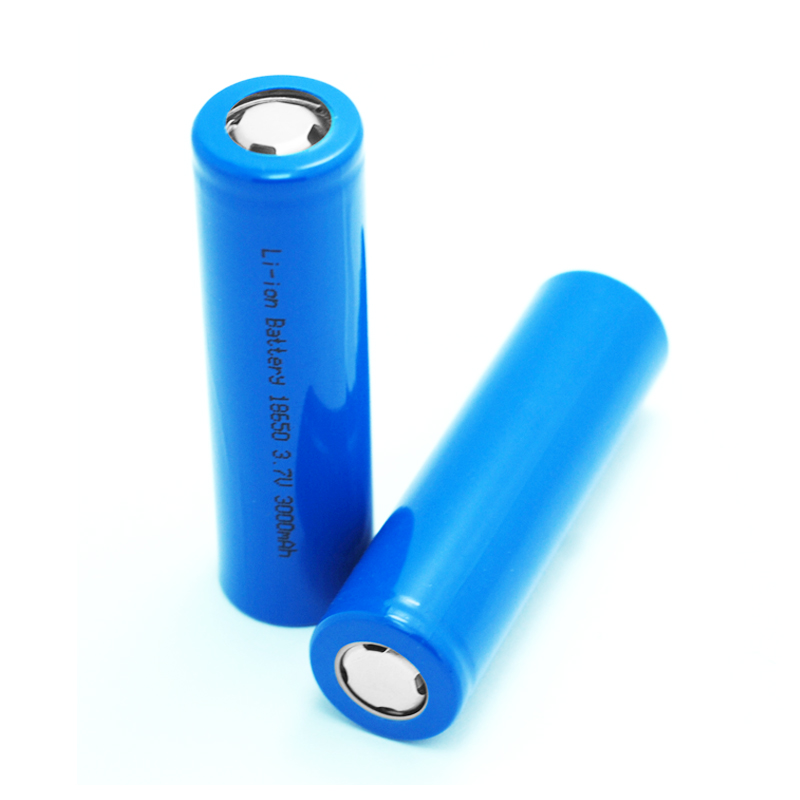
A lithium-ion battery pack is an integrated energy storage system composed of lithium-ion cells, a battery management system (BMS), protective circuits, mechanical housing, and thermal components. Unlike single cells, battery packs are customized to deliver specific voltage, capacity, current, and safety performance for products such as EVs, energy storage systems, medical devices, and consumer electronics.
🧩 Step 1: Define Application Requirements
Before designing a lithium-ion battery pack, it is critical to define the application requirements clearly.
🔹 Key parameters include:
-
Nominal voltage and capacity (Ah / Wh)
-
Maximum charge and discharge current
-
Operating temperature range
-
Expected cycle life
-
Physical size and weight constraints
-
Safety and certification requirements
Accurate requirement definition reduces redesign costs and ensures optimal battery performance.
🔋 Step 2: Choose the Right Lithium-Ion Cell Chemistry
Different lithium-ion chemistries serve different use cases.
⚙️ Common options include:
-
NMC (Nickel Manganese Cobalt): High energy density, widely used in EVs
-
LFP (Lithium Iron Phosphate): Excellent safety and long cycle life
-
LCO (Lithium Cobalt Oxide): Compact size for consumer electronics
-
NCA (Nickel Cobalt Aluminum): High power and energy density
Cell selection directly affects safety, lifespan, cost, and energy density.
🔗 Step 3: Battery Pack Configuration Design
Cells are connected in series (S) and parallel (P) to meet voltage and capacity targets.
📐 Design considerations:
-
Series count determines voltage
-
Parallel count increases capacity and current capability
-
Cell matching minimizes imbalance
-
Redundancy improves reliability
A well-planned configuration ensures stable output and longer service life.
🧠 Step 4: Integrate a Reliable Battery Management System (BMS)
🛡️ BMS functions:
-
Over-charge and over-discharge protection
-
Over-current and short-circuit protection
-
Cell voltage balancing
-
Temperature monitoring
-
State of Charge (SOC) and State of Health (SOH) estimation
A high-quality BMS is essential for safety, compliance, and performance optimization.
🌡️ Step 5: Thermal Management Design
Lithium-ion cells are sensitive to temperature extremes.
🔥 Effective thermal strategies include:
-
Passive cooling (heat sinks, ventilation)
-
Active cooling (fans or liquid cooling)
-
Thermal interface materials
-
Uniform heat distribution
Proper thermal management prevents thermal runaway and extends battery lifespan.
🧱 Step 6: Mechanical & Enclosure Design
The battery enclosure protects internal components from vibration, moisture, dust, and impact.
📦 Key factors:
-
Structural strength and shock resistance
-
IP rating for environmental protection
-
Insulation and spacing
-
Ease of assembly and maintenance
Mechanical design also affects heat dissipation and overall system safety.
📜 Step 7: Safety Testing & Certification
Compliance with international standards is mandatory.
✅ Common standards include:
-
UN38.3 (transport safety)
-
IEC 62133
-
UL 2054 / UL 2580
-
CE and RoHS
Rigorous testing enhances trustworthiness and market acceptance.
🌍 Why Professional Lithium-Ion Battery Pack Design Matters
A professionally designed battery pack ensures:
-
Higher energy efficiency
-
Longer cycle life
-
Reduced failure risk
-
Compliance with global regulations
-
Lower total cost of ownership
Expert design translates directly into product reliability and brand credibility.
❓ Frequently Asked Questions (FAQ)
🔹 What is the most important factor in lithium-ion battery pack design?
Safety is the most critical factor, followed by performance and lifespan. Proper cell selection, BMS integration, and thermal management are essential.
🔹 How long does a lithium-ion battery pack last?
Depending on chemistry and usage, most packs last 500–3000 cycles, equivalent to 3–10 years.
🔹 Can lithium-ion battery packs be customized?
Yes. Voltage, capacity, size, enclosure, and communication protocols can all be customized based on application needs.
🔹 Why is a BMS necessary?
A BMS prevents overcharging, overheating, and cell imbalance, significantly reducing safety risks.
🔹 What industries use lithium-ion battery packs?
Electric vehicles, solar energy storage, medical devices, robotics, power tools, and consumer electronics.