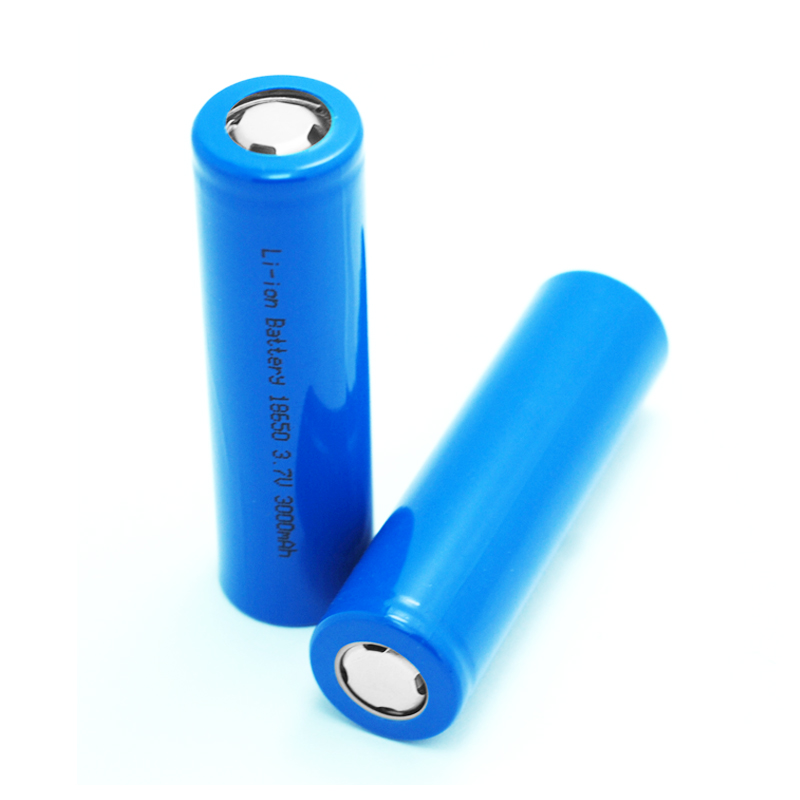
🔋 What Is the 80 20 Rule for Charging Batteries?
🧠 Summary
The 80/20 rule for charging batteries is a best practice that recommends keeping rechargeable batteries—especially lithium-ion batteries—between 20% and 80% state of charge to extend battery lifespan, improve safety, and reduce long-term degradation. This guide explains how the rule works, why it matters, and how to apply it in real-world battery applications such as electric vehicles, consumer electronics, and energy storage systems.
⚡ What Is the 80/20 Rule for Battery Charging?
The 80/20 charging rule suggests:
-
🔹 Avoid charging above 80%
-
🔹 Avoid discharging below 20%
Instead of fully charging to 100% or draining to 0%, maintaining a mid-range charge level reduces chemical stress inside the battery, particularly for lithium-ion battery cells.
This practice is widely recommended by battery engineers and manufacturers to maximize usable life and reliability.
🔬 Why the 80/20 Rule Matters for Lithium-Ion Batteries
Lithium-ion batteries degrade due to chemical reactions that accelerate at extreme charge levels.
🧪 Key reasons the rule works:
-
High voltage near 100% increases electrode oxidation
-
Deep discharge below 20% stresses the anode
-
Heat generation rises at charge extremes
-
Electrolyte breakdown occurs faster
By limiting these extremes, the 80/20 rule significantly slows battery aging.
📈 How the 80/20 Rule Extends Battery Lifespan
Following the 80/20 rule can double or even triple battery cycle life in some applications.
🔋 Benefits include:
-
More charge cycles before capacity loss
-
Slower internal resistance growth
-
Better long-term energy efficiency
-
Reduced risk of swelling or failure
For lithium-ion battery packs, this translates into lower maintenance costs and longer service life.
🚗 Where the 80/20 Rule Is Commonly Used
The 80/20 charging strategy is widely adopted across industries.
🌍 Common applications:
-
Electric vehicles (EV battery management systems)
-
Smartphones and laptops
-
Lithium-ion battery energy storage systems
-
Industrial and medical equipment
-
Power tools and robotics
Many modern devices now include software-controlled charging limits based on this principle.
🧠 Role of Battery Management Systems (BMS)
A Battery Management System (BMS) plays a critical role in enforcing the 80/20 rule automatically.
🛡️ BMS functions include:
-
Charge cut-off at defined voltage thresholds
-
Over-discharge protection
-
State of Charge (SOC) monitoring
-
Thermal control and fault detection
Professional lithium-ion battery packs rely on BMS logic to balance performance and longevity.
⚠️ When the 80/20 Rule May Not Apply
While highly beneficial, the 80/20 rule is not mandatory in every situation.
⏱️ Exceptions include:
-
Emergency use requiring full capacity
-
Calibrating battery indicators
-
Devices designed for constant full charge
-
Short-term or disposable battery applications
Understanding usage context ensures the rule is applied effectively without limiting functionality.
🌱 Best Practices for Applying the 80/20 Rule
To implement the 80/20 rule effectively:
✔️ Use chargers with programmable limits
✔️ Enable battery protection settings in devices
✔️ Avoid overnight charging when possible
✔️ Store batteries at ~50% charge for long periods
✔️ Maintain moderate operating temperatures
These practices work together to optimize battery health.
❓ Frequently Asked Questions (FAQ)
🔹 Does the 80/20 rule really improve battery life?
Yes. Multiple studies and real-world data show that lithium-ion batteries last significantly longer when kept within the 20%–80% range.
🔹 Is it bad to charge a battery to 100%?
Occasional full charging is safe, but frequent charging to 100% accelerates chemical aging and capacity loss.
🔹 Can I use the 80/20 rule on all battery types?
The rule is most effective for lithium-ion batteries. It is less relevant for lead-acid or nickel-based batteries.
🔹 Do EV manufacturers recommend the 80/20 rule?
Many EV manufacturers recommend daily charging limits around 70–80% to maximize battery lifespan.
🔹 What is the ideal charge level for battery storage?
For long-term storage, 40%–60% charge is ideal to minimize degradation.
Related Articles
What is the difference between 21700 and 32700?
What are the pros and cons of 21700 batteries?