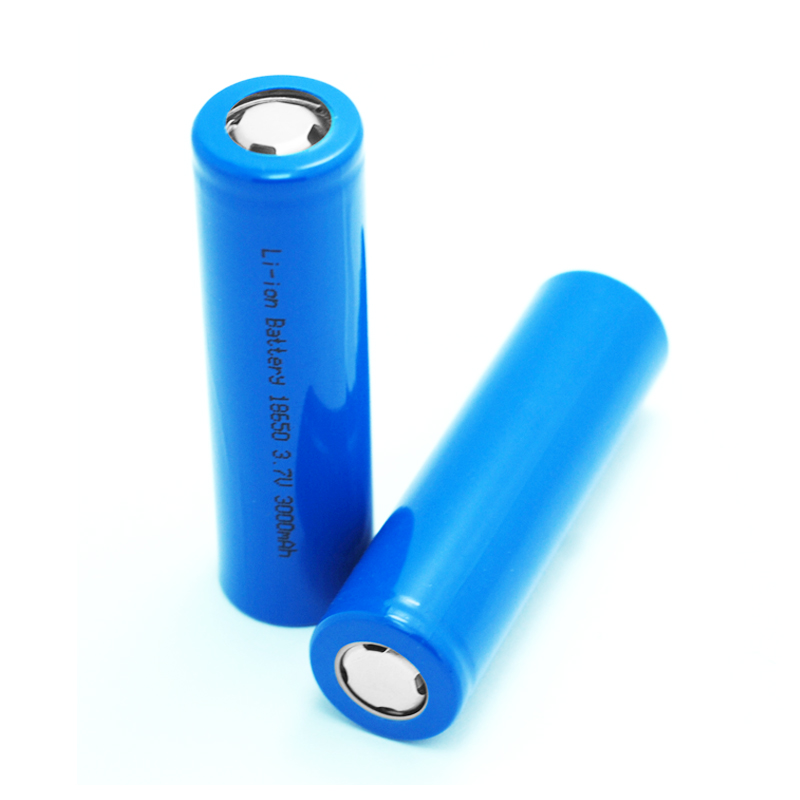
🔋 Are All 18650 Batteries the Same?
🧠 Summary
Not all 18650 rechargeable batteries are the same. While they share a standardized size, each 18650 cell can differ significantly in capacity, chemistry, discharge rate, safety features, and lifespan. This guide explains the key differences between li-ion 18650 batteries and helps you choose the right one for your specific application.
📏 What Is an 18650 Cell?
An 18650 cell is a cylindrical lithium-ion battery measuring 18 mm in diameter and 65 mm in length.
🔍 Core characteristics:
-
Rechargeable lithium-ion chemistry
-
Nominal voltage around 3.6–3.7V
-
Used in laptops, power tools, EVs, and energy storage
-
Requires proper battery management systems (BMS)
Despite identical dimensions, performance varies widely.
⚡ Capacity Differences Among 18650 Rechargeable Batteries
Capacity is one of the biggest differences between 18650 batteries.
📊 Typical capacity ranges:
-
1800–2200mAh: Older or high-discharge cells
-
2500–3000mAh: Balanced performance
-
3200–3600mAh: High-capacity energy-focused cells
Higher capacity often comes with lower maximum discharge rates.
🔥 Discharge Rate and Power Capability
Not all li-ion 18650 batteries are designed for high power.
🚀 Discharge differences:
-
High-discharge cells support demanding loads
-
Energy cells prioritize longer runtime
-
Power-focused cells have lower internal resistance
Using the wrong discharge type can reduce performance or create safety risks.
🧪 Battery Chemistry Variations
18650 cells are available in different lithium-ion chemistries.
🧬 Common chemistries include:
-
NMC (Nickel Manganese Cobalt): Balanced performance
-
NCA (Nickel Cobalt Aluminum): High energy density
-
LCO (Lithium Cobalt Oxide): Compact consumer devices
-
IMR (Lithium Manganese): High discharge, enhanced safety
Chemistry impacts safety, cycle life, and operating temperature.
🛡️ Safety Features and Protection Design
Safety varies widely between 18650 rechargeable batteries.
🛡️ Safety differences include:
-
Internal protection mechanisms
-
Pressure relief vents
-
Thermal stability
-
Compatibility with external BMS
Unprotected cells require system-level safety controls.
🔄 Cycle Life and Longevity
The lifespan of an 18650 cell depends on design and usage.
🔁 Typical cycle life:
-
Standard cells: 500–800 cycles
-
High-quality cells: 1000+ cycles with proper management
Charging habits and temperature play a critical role.
🏭 Quality, Brand, and Manufacturing Differences
Manufacturing quality greatly affects performance and reliability.
🏭 Key factors:
-
Consistency in cell matching
-
Quality control standards
-
Certification and testing
-
Supplier reputation
Low-quality or counterfeit li-ion 18650 batteries pose serious safety risks.
⚖️ How to Choose the Right 18650 Battery
✔️ Match capacity to runtime needs
✔️ Ensure discharge rating fits your application
✔️ Select appropriate chemistry
✔️ Use certified, reputable suppliers
✔️ Pair with a proper BMS
Choosing the right battery ensures safety and optimal performance.
❓ Frequently Asked Questions (FAQ)
🔹 Are all 18650 batteries interchangeable?
No. Differences in capacity, discharge rate, and protection design mean they are not universally interchangeable.
🔹 What is the safest type of 18650 rechargeable battery?
Cells with stable chemistry and proper protection, combined with a BMS, are the safest options.
🔹 Can I use any 18650 cell in my device?
Only if the voltage, capacity, and discharge specifications match the device requirements.
🔹 Do higher mAh 18650 batteries last longer?
They provide longer runtime per charge, but overall lifespan depends on cycle life and usage.
🔹 Are protected 18650 batteries better?
They add safety but may not fit all devices due to added length.
Related Articles
What is the typical capacity of an 18650 battery?