🔋 Is 3500mAh the Highest Capacity for an 18650 Battery?
🧠 Summary
A 3500mAh 18650 battery is currently considered the upper practical limit for commercially available, reliable 18650 lithium-ion batteries from reputable manufacturers. While some products claim higher capacities, most exceed realistic energy-density limits and may be unsafe or misleading. This guide explains why 3500mAh is widely accepted as the maximum capacity for a safe and genuine 18650 battery rechargeable.
📏 What Is an 18650 Lithium-Ion Battery?
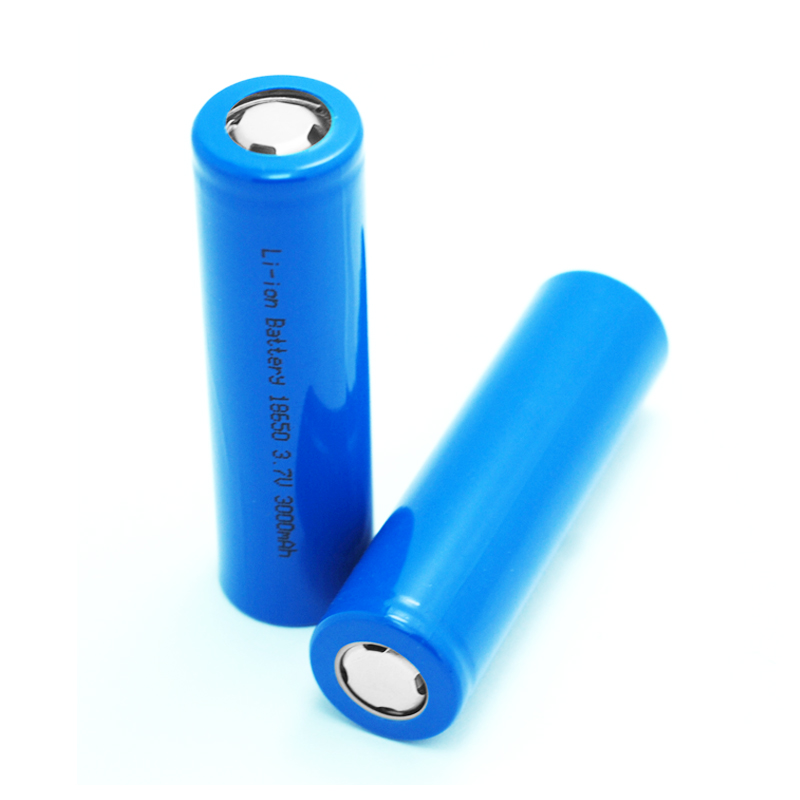
A battery 18650 lithium ion battery is a cylindrical rechargeable cell measuring 18 mm × 65 mm, widely used in electronics, power tools, energy storage, and electric vehicles.
🔍 Core features:
-
Nominal voltage: ~3.6–3.7V
-
Standardized size across manufacturers
-
Rechargeable lithium-ion chemistry
-
Requires proper battery management systems (BMS)
Despite identical dimensions, performance varies greatly.
🔋 Why 3500mAh Is Considered the Maximum for 18650 Cells
Physical and chemical limits restrict how much energy an 18650 li-ion battery can store.
🧪 Key limiting factors:
-
Fixed internal volume of the 18650 format
-
Maximum electrode density achievable with lithium-ion chemistry
-
Safety constraints related to heat and internal resistance
-
Cycle life and stability requirements
As a result, 3500mAh represents the highest reliable balance of capacity, safety, and lifespan.
⚠️ Are 18650 Batteries Rated Above 3500mAh Real?
Many online listings advertise 4000mAh or higher 18650 batteries—but these claims are usually misleading.
🚨 Common warning signs:
-
Unknown or unverified brands
-
Unrealistic discharge specifications
-
No safety or compliance certifications
-
Inconsistent weight compared to genuine cells
Such batteries often fail to meet advertised capacity and may pose safety risks.
⚖️ Capacity vs Discharge Performance Trade-Off
High-capacity 18650 cells are optimized for energy, not power.
🔌 Trade-offs include:
-
3500mAh cells: Longer runtime, lower max discharge
-
3000mAh cells: Better balance of energy and power
-
High-discharge cells: Lower capacity, higher current output
Choosing the right 18650 battery rechargeable depends on application requirements.
🌡️ Safety, Cycle Life, and Charging Practices
High-capacity cells require careful usage to maintain performance.
🛡️ Best practices:
-
Avoid frequent full 0–100% charge cycles
-
Use quality chargers with voltage regulation
-
Maintain proper thermal management
-
Pair with a reliable BMS
Following these guidelines helps preserve capacity and safety over time.
🏭 Trusted Capacity Standards in the Industry
Reputable manufacturers align with realistic capacity limits.
📊 Industry consensus:
-
Typical high-capacity range: 3200–3500mAh
-
Average cycle life: 500–1000 cycles
-
Nominal voltage consistency: 3.6–3.7V
Sticking to verified specifications ensures reliability and trust.
❓ Frequently Asked Questions (FAQ)
🔹 Is 3500mAh the highest safe capacity for an 18650 battery?
Yes. 3500mAh is widely accepted as the highest safe and realistic capacity for a genuine 18650 lithium-ion battery.
🔹 Are 4000mAh 18650 batteries fake?
Most are misleading or falsely labeled, especially when sold by unverified brands.
🔹 Does higher mAh mean better performance?
Higher mAh means longer runtime, but not higher power output or better safety.
🔹 Should I choose 3000mAh or 3500mAh?
Choose 3500mAh for longer runtime, or 3000mAh if higher discharge performance is required.
🔹 How can I identify a genuine 18650 battery?
Check brand reputation, datasheets, weight consistency, and safety certifications.
Related Articles
Are all 18650 batteries the same?
How Long Do 18650 Batteries Last?