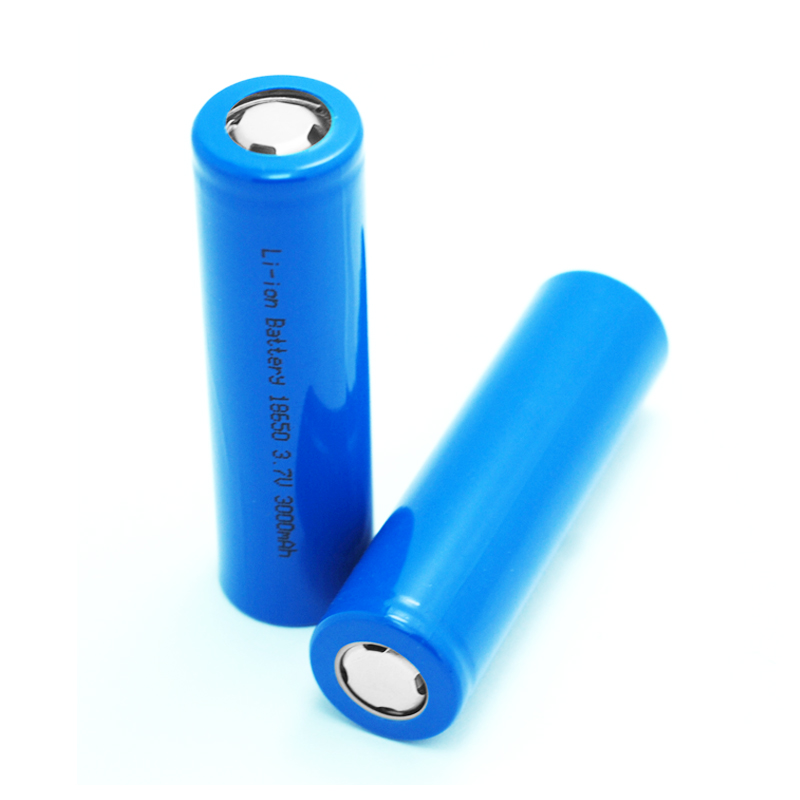
🔋 What Is the Energy Density of an 18650 Battery?
🧠 Summary
The energy density of an 18650 lithium battery typically ranges from 200 to 265 Wh/kg, depending on chemistry, internal design, and manufacturing quality. Modern li-ion lithium battery 18650 cells achieve high energy storage within a compact form factor, making them ideal for portable electronics, energy storage systems, and electric mobility. This guide explains energy density values, influencing factors, and real-world implications.
📏 Understanding the 18650 Lithium Battery Format
An 18650 lithium battery is a cylindrical rechargeable cell measuring 18 mm × 65 mm, standardized across the battery industry.
🔍 Key characteristics:
-
Nominal voltage: ~3.6–3.7V
-
Rechargeable lithium-ion chemistry
-
High gravimetric and volumetric energy density
-
Compatible with battery management systems (BMS)
Despite a standard size, energy density varies widely.
⚡ Typical Energy Density of Li-Ion Lithium Battery 18650
Energy density indicates how much energy a battery stores relative to its weight or volume.
📊 Typical values:
-
Gravimetric energy density: ~150–265 Wh/kg
-
Volumetric energy density: ~500–730 Wh/L
Higher energy density allows devices to run longer without increasing battery size or weight.
🧪 How Battery Chemistry Affects Energy Density
The internal chemistry plays a critical role in determining energy density.
🔬 Common chemistries include:
-
ICR 18650 battery (Lithium Cobalt Oxide): High energy density, moderate discharge
-
NMC/NCA: Balanced energy, safety, and lifespan
-
IMR: Lower energy density, higher power output
Among these, ICR 18650 batteries are often chosen when energy density is the top priority.
⚖️ Energy Density vs Safety and Power Output
Higher energy density requires careful safety management.
🛡️ Trade-offs include:
-
Higher energy → increased thermal sensitivity
-
Lower discharge capability compared to power-focused cells
-
Greater reliance on protective circuits and BMS
A balanced design ensures performance without compromising safety.
🌡️ Factors That Influence Energy Density
Several technical and environmental factors impact real-world energy density.
⚙️ Key factors:
-
Electrode material composition
-
Cell internal structure and packing efficiency
-
Manufacturing precision and quality control
-
Operating temperature and charge voltage limits
Even small design changes can significantly affect energy density.
🏭 Real-World Applications of High Energy Density 18650 Batteries
High energy density makes 18650 cells ideal for many industries.
📌 Common applications:
-
Laptops and notebooks
-
Power banks and portable electronics
-
Energy storage systems (ESS)
-
Electric bikes and light EVs
Their compact design allows efficient battery pack configurations.
❓ Frequently Asked Questions (FAQ)
🔹 What is a good energy density for an 18650 battery?
A good 18650 lithium battery typically offers 240–260 Wh/kg, balancing energy, safety, and lifespan.
🔹 Are ICR 18650 batteries the highest in energy density?
Yes. ICR 18650 batteries generally provide higher energy density but require proper protection.
🔹 Does higher energy density mean longer runtime?
Yes, but only when voltage and discharge rates match the device requirements.
🔹 Is high energy density less safe?
Not inherently. Safety depends on chemistry, design, and battery management systems.
🔹 How does energy density affect battery pack design?
Higher energy density allows lighter, more compact packs with longer runtime.
Related Articles
Is 3500mAh the highest capacity for an 18650 battery?
What is the typical capacity of an 18650 battery?
Which is better 18650 or 21700 for drones?