🔒 Do 18650 Batteries Need a Protection Circuit?
🧠 Summary
Sometimes yes — sometimes absolutely not.
Whether an 18650 Li battery needs a protection circuit depends on how and where the cell is used, not on the chemistry alone. Individual lithium ion cells 18650 used by end users often require protection. Cells integrated into engineered battery packs usually do not — because protection already exists at the system level. Confusing these two contexts is a common and costly mistake.
⚙️ What a Protection Circuit Actually Does
A protection circuit is not a charger, and it is not a BMS.
🔌 Typical protection functions:
-
Over-charge cutoff (~4.25 V)
-
Over-discharge cutoff (~2.5 V)
-
Over-current protection
-
Short-circuit interruption
It reacts after something goes wrong. It does not optimize performance.
🔋 Bare 18650 Lithium Ion Cells vs Protected Cells
The distinction matters.
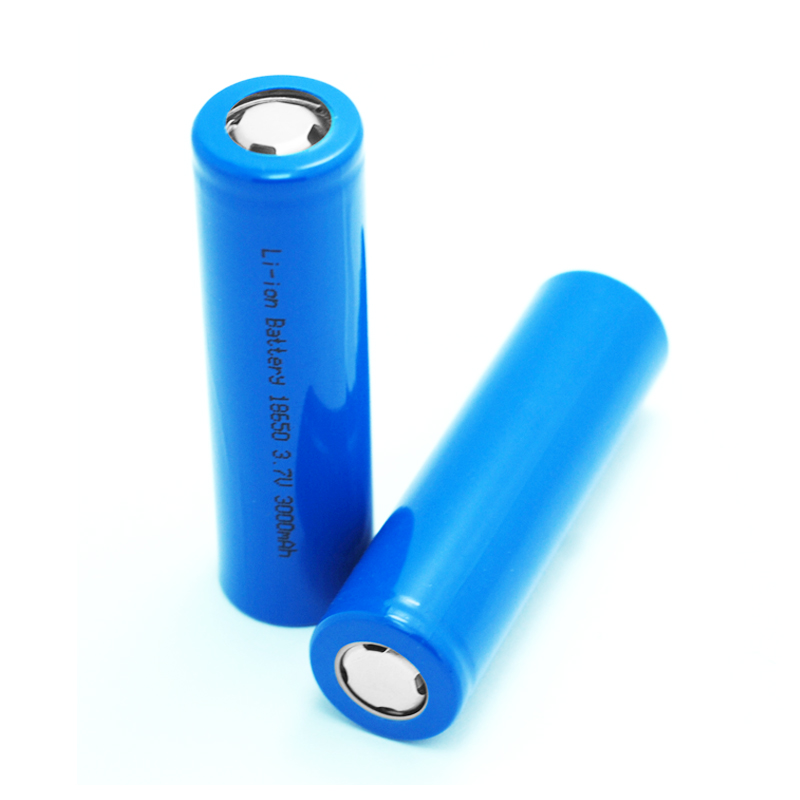
🔍 Unprotected 18650 lithium ion cells:
-
No onboard electronics
-
Full current capability
-
Designed for packs and systems
-
Require external protection
🔍 Protected 18650 Li batteries:
-
Small PCB attached to the cell
-
Reduced max discharge current
-
Slightly longer physical length
-
Intended for consumer, single-cell use
👉 Direct conclusion: Protection circuits are a usage requirement, not a chemistry requirement.
🔥 When a Protection Circuit Is Necessary
Certain scenarios demand onboard protection.
⚠️ Use protection if:
-
Single-cell, user-replaceable battery
-
No external BMS or voltage monitoring
-
Consumer electronics
-
Flashlights, handheld tools
-
Unknown or variable loads
Without protection, a single mistake can push voltage or current beyond safe limits.
🛠️ When Protection Circuits Are Not Used (By Design)
In professional systems, protection is centralized.
🔧 Common examples:
-
Multi-cell battery packs
-
Power tools
-
EV modules
-
Energy storage systems
-
Robotics and industrial equipment
These systems rely on:
-
BMS voltage cutoffs
-
Pack-level current limits
-
Thermal sensors
-
Redundant safety layers
Adding cell-level protection here often reduces reliability, not improves it.
📏 How Protection Circuits Affect 18650 Performance
Protection always comes with trade-offs.
📉 Typical impacts:
-
Lower max discharge current
-
Increased internal resistance
-
Slight reduction in usable capacity
-
Added failure point
-
Longer cell length (fit issues)
A “3500 mAh” protected cell may deliver less usable power than an unprotected one in high-drain applications.
🔍 Engineer’s Selection Advice: Choosing the Right Approach
From a design standpoint, the question is not “protected or not,” but where protection belongs.
🧠 Selection logic:
-
Single-cell device → protected 18650
-
Multi-cell pack → unprotected cells + BMS
-
High-drain loads → unprotected + robust system protection
-
Tight mechanical tolerances → avoid protected cells
-
Critical safety applications → redundant protection layers
👉 Cell-level protection is a shortcut, not a substitute for proper system design.
❌ Common Misconceptions About 18650 Protection
🚫 “All 18650 lithium ion batteries have protection”
🚫 “More protection always means safer”
🚫 “Protected cells can’t fail”
🚫 “Higher 18650 mAh needs more protection”
🚫 “Protection circuits improve battery life”
In reality, protection circuits only limit damage, not prevent degradation.
❓ Frequently Asked Questions (FAQ)
🔹 Do 18650 batteries need a protection circuit?
Some do. Single-cell consumer applications usually need protection; engineered battery packs usually do not.
🔹 Are lithium ion cells 18650 sold without protection safe?
Yes, when used in systems with proper BMS, voltage monitoring, and current control.
🔹 Does a higher 18650 mAh rating mean protection is required?
No. Capacity and protection needs are unrelated.
🔹 Can I remove the protection circuit from an 18650 Li battery?
It is technically possible but not recommended unless you fully understand the risks.
🔹 Are protected 18650 lithium ion cells safer?
They reduce user error risk but introduce current limits and new failure modes.
📢 Call to Action (CTA)
🔋 Unsure whether your application needs protected or unprotected 18650 cells?
We help engineers and buyers select the right 18650 lithium ion cells, define protection architecture, and avoid performance or safety trade-offs.
👉 Contact us for expert cell and system guidance.
Related Articles
What happens if an 18650 battery is over-discharged?
Should I fully discharge an 18650 battery before charging?
What are 18650 batteries used for?
Is it safe to use 18650 batteries in series or parallel?