❓ 18650 Battery Protected vs Unprotected: Which One Should You Use?
📌 Abstract
The debate around 18650 battery protected vs unprotected is not about which option is “better,” but which is correct for the application. A protected 18650 battery adds an electronic safety layer, while unprotected cells rely on system-level controls. This page explains how engineers evaluate a 18650 battery protected design, when a 18650 protected cell is required, and when it becomes unnecessary—or even problematic.
🔋 What Is a Protected 18650 Battery?
A protected 18650 battery includes a small protection circuit board (PCB) attached to the cell’s negative terminal.
This PCB typically provides:
-
Over-charge protection (~4.25 V)
-
Over-discharge cut-off (~2.5 V)
-
Over-current and short-circuit protection
The result is a 18650 battery protected against common user errors.
Direct conclusion:
Protection reduces risk, but it does not make a battery “indestructible.”
⚙️ What Is an Unprotected 18650 Cell?
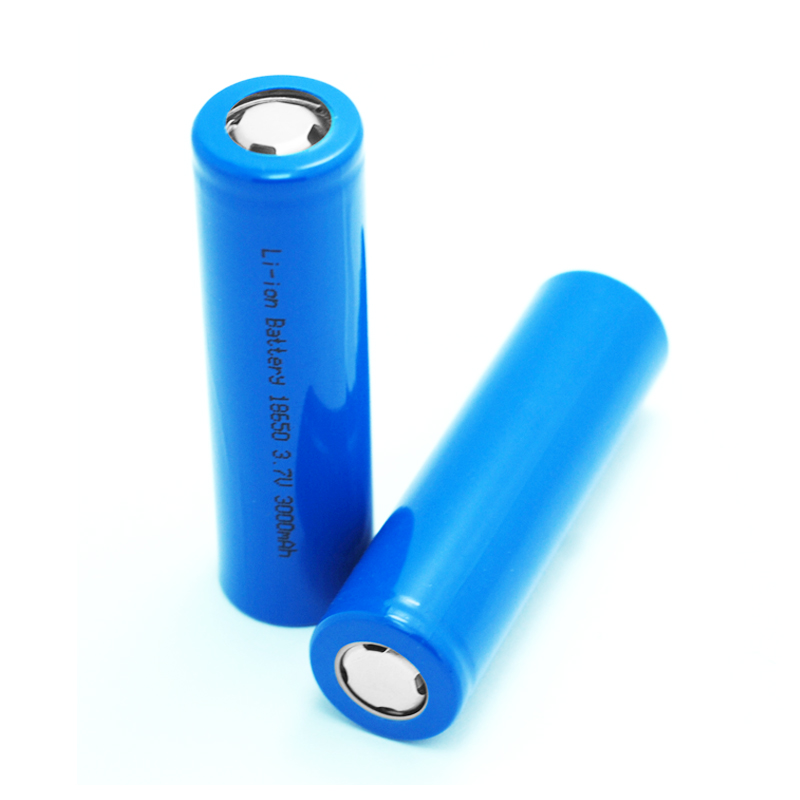
An unprotected 18650 is a bare industrial cell, exactly as produced by the manufacturer.
It assumes:
-
External protection (BMS, driver, or charger)
-
Proper electrical design
-
Knowledgeable user handling
Most OEM battery packs and professional devices use unprotected cells with system-level safeguards.
🔍 18650 Battery Protected vs Unprotected: What’s the Real Difference?
| Aspect | Protected | Unprotected |
|---|---|---|
| Safety Layer | Cell-level PCB | External system |
| Length | Slightly longer | Standard |
| Max Current | Limited by PCB | Cell-rated |
| User Error Tolerance | Higher | Lower |
| OEM Pack Use | Rare | Standard |
Engineering reality:
Protection location matters more than protection existence.
🔦 When Is a 18650 Protected Cell the Right Choice?
A 18650 protected cell is recommended when:
-
The device lacks built-in protection
-
The user is non-technical
-
Single-cell consumer devices are used
Typical use cases:
-
Flashlights without regulated drivers
-
Consumer torches
-
Backup power banks
🔧 When Is an Unprotected 18650 the Better Option?
Unprotected cells are preferred when:
-
The system includes a BMS
-
High current is required
-
Dimensional constraints are tight
Common applications:
-
Vape devices
-
Power tools
-
Multi-cell battery packs
-
OEM energy storage systems
Direct conclusion:
Adding protection twice can cause instability instead of safety.
🧠 Engineer’s Selection Guide
Choose a Protected 18650 If:
-
No BMS or driver protection exists
-
Device current < PCB limit
-
User safety margin is the priority
Choose Unprotected If:
-
Device has active protection
-
High discharge is required
-
Cells are matched and monitored
Engineering rule:
One protection layer, clearly defined, always performs better than two competing ones.
⚠️ Common Mistakes Buyers Make
❌ Using protected cells in high-drain devices
❌ Assuming protected means unlimited safety
❌ Ignoring added length of protected cells
❌ Mixing protected and unprotected cells
❌ Using cheap PCB-protected rewraps
Industry truth:
Poor protection design can be more dangerous than no protection at all.
❓ FAQ – 18650 Battery Protected vs Unprotected
Q1: Are protected 18650 batteries safer?
They reduce user-error risk but do not replace good system design.
Q2: Can I use a protected 18650 in any device?
No. Some devices cannot accommodate the extra length or current limit.
Q3: Why do OEM packs use unprotected cells?
Because protection is handled at the pack level with a BMS.
Q4: Do protected cells last longer?
Not necessarily. Cycle life depends more on charge and discharge control.
📞 CTA – Choose the Right 18650 Configuration
If you need:
-
Protected 18650 batteries for consumer devices
-
Unprotected cells for OEM or high-drain use
-
Application-based technical guidance
-
Verified, traceable lithium-ion cells
👉 Contact us to select the correct 18650 battery for your application.
Related Articles
Are Samsung 18650 Batteries a Reliable Choice for Long-Term Performance?
What certifications should an 18650 battery have?
What Makes an 18650 Torch Battery Truly Reliable for High-Output and Diving Torches?
What Are the Dimensions of a 18650 Battery?