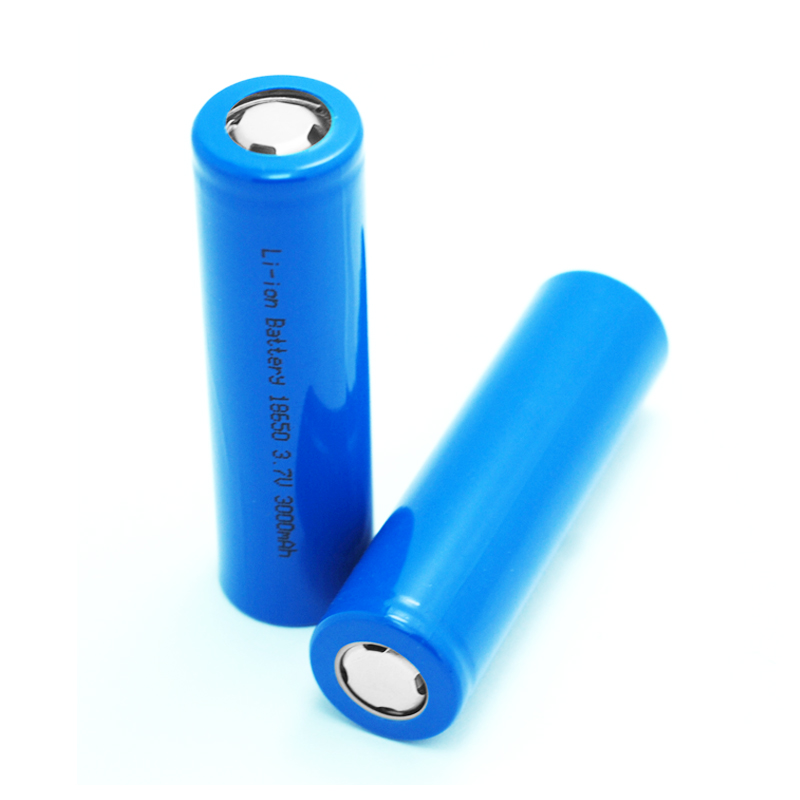
❓ Is the Samsung 35E 18650 3500mAh 8A Battery Right for Your Application?
📌 Abstract
The Samsung 35E 18650 battery is widely recognized for its high energy density and stable performance, but it is often misunderstood and misapplied. This page answers the key technical questions surrounding the Samsung 35E 18650 3500mAh 8A battery, explains where the Samsung 18650 battery 3500mAh excels, and shows how engineers evaluate its real-world limits, safety margins, and ideal use cases.
🔋 What Is the Samsung 18650 35E Battery?
The Samsung 18650 35E is an INR lithium-ion cell manufactured by Samsung SDI, designed for energy-focused applications rather than high-drain output.
Core design intent:
-
High nominal capacity (~3500mAh)
-
Moderate continuous discharge (8A)
-
Long cycle life under controlled load
Direct conclusion:
The 35E is built for runtime, not raw current.
⚙️ What Does “3500mAh 8A” Actually Mean in Practice?
Many users misunderstand the label.
-
3500mAh reflects energy storage, not power delivery
-
8A continuous discharge is a thermal and longevity limit, not a suggestion to push harder
Exceeding 8A leads to:
-
Accelerated internal resistance growth
-
Excessive heat in sealed systems
-
Reduced cycle life
A Samsung 35E 18650 battery performs best when operated conservatively.
🔍 How Does the Samsung 35E 18650 Battery Perform Under Load?
From an engineering perspective, the Samsung 35E 18650 3500mAh 8A battery offers:
-
Stable voltage above 3.4V at moderate load
-
Predictable voltage sag near CDR
-
Low self-heating below rated current
This makes it ideal for:
-
Energy storage modules
-
Portable power stations
-
Professional lighting with regulated drivers
🔦 Where Is the Samsung 18650 Battery 3500mAh Best Used?
| Application | Suitability |
|---|---|
| Energy Storage (ESS) | ✅ Excellent |
| Flashlights / Torches | ✅ Very good |
| E-bikes | ✅ Common |
| Power Tools | ❌ Not suitable |
| Vape Devices | ❌ Not recommended |
Direct conclusion:
If your device needs high current, choose a different cell.
🧪 How Engineers Evaluate the Samsung 35E 18650 Battery
Engineers focus on:
-
Flat discharge curve at ≤8A
-
Controlled thermal rise
-
Consistent batch performance
-
Conservative safety margins
Samsung’s design philosophy favors predictability over peak numbers, which is why the Samsung 18650 35E is widely used in OEM systems.
🧠 Engineer’s Selection Guide
🔋 Choose Samsung 35E If:
-
Runtime matters more than power
-
Discharge stays below 8A
-
Long cycle life is required
❌ Do Not Choose Samsung 35E If:
-
Your system exceeds 10A
-
You need pulse-heavy output
-
Space or cooling is limited
Engineering rule:
High capacity cells fail fastest when forced into high-drain roles.
⚠️ Common Mistakes Buyers Make
❌ Using Samsung 35E in high-drain devices
❌ Assuming higher mAh equals better performance
❌ Mixing 35E cells from different production batches
❌ Ignoring thermal design in packs
❌ Buying rewrapped or counterfeit cells
Industry reality:
Most 35E failures come from misuse, not manufacturing defects.
❓ FAQ – Samsung 35E 18650 Battery
Q1: Is the Samsung 35E a high-drain battery?
No. It is an energy-density-optimized cell with an 8A CDR.
Q2: Can I use Samsung 35E in a vape or power tool?
No. These applications exceed its safe operating range.
Q3: How long does a Samsung 35E 18650 battery last?
300–500 cycles when operated within rated limits.
Q4: How can I verify genuine Samsung 35E cells?
Check laser-etched lot codes and request Samsung SDI datasheets.
📞 CTA – Source Genuine Samsung 35E 18650 Batteries
If you need:
-
Authentic Samsung 35E 18650 batteries
-
Verified 3500mAh 8A cells
-
OEM or wholesale quantities
-
Engineering-level selection support
👉 Contact us to source genuine Samsung 35E 18650 batteries with full documentation.
Related Articles
How Should You Be Charging 18650 Batteries for Safety and Performance?
What Are the Dimensions of a 18650 Battery?
Is the Samsung 18650 Battery 35E Still a Reliable Choice Today?
Are LG 18650 Batteries a Smart Choice for Capacity-Driven Applications?