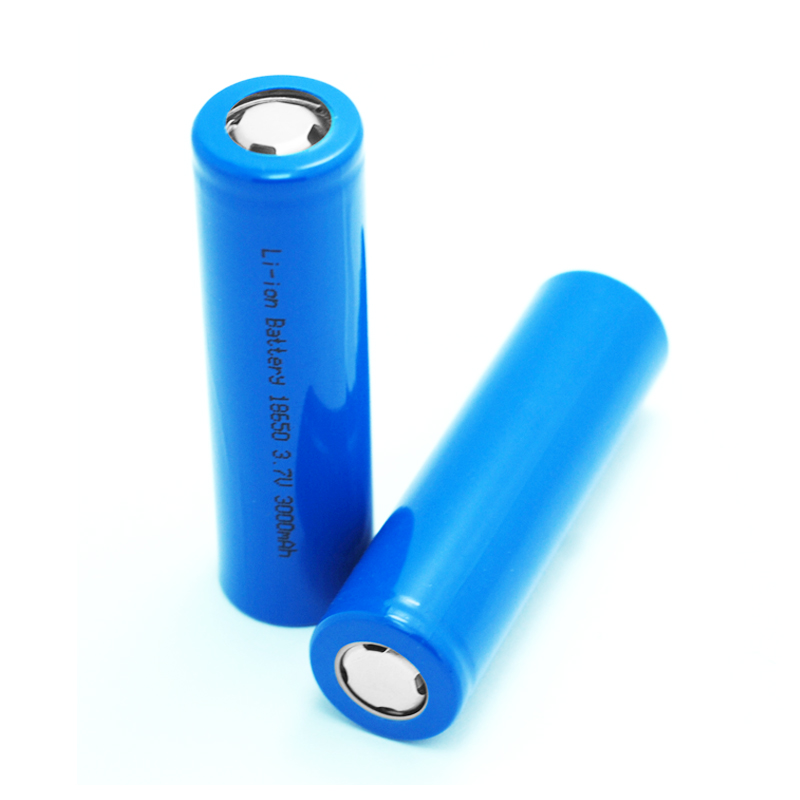
❓ How Should You Be Charging 18650 Batteries for Safety and Performance?
📌 Abstract
Charging 18650 batteries correctly is the difference between long service life and early failure. Most issues blamed on a top rated 18650 battery are actually caused by poor charging control, incorrect 18650 battery voltage, or using a low-quality charger. This page explains how professionals approach charging, what defines a good 18650 charger, and how engineers design charging strategies that protect both performance and safety.
🔋 What Is the Correct 18650 Battery Voltage When Charging?
An 18650 cell follows a strict CC/CV (Constant Current / Constant Voltage) charging profile.
Key voltage points:
-
Nominal voltage: 3.6–3.7V
-
Fully charged voltage: 4.20V ±0.05V
-
Over-voltage risk: >4.25V
Direct conclusion:
Any charger that cannot reliably stop at 4.20V is unsafe for long-term use.
Voltage accuracy matters more than brand reputation.
⚙️ Why Charging Method Matters More Than Battery Brand
Even a top rated 18650 battery can be damaged by improper charging.
Incorrect charging leads to:
-
Lithium plating on the anode
-
Internal resistance increase
-
Capacity loss within dozens of cycles
-
Elevated thermal risk
Professional users focus on charging discipline, not marketing claims.
🔌 What Defines a Good 18650 Charger?
A good 18650 charger is defined by regulation quality, not charging speed.
Minimum technical requirements:
-
True CC/CV algorithm
-
Accurate voltage termination (±50 mV)
-
Individual channel control
-
Reverse polarity and short-circuit protection
Optional but valuable features:
-
Selectable charge current
-
Temperature monitoring
-
Storage-charge mode (≈3.7–3.8V)
Engineering reality:
Fast charging without regulation is controlled damage.
🔦 How Charging Affects Real-World Battery Performance
Properly charging 18650 batteries results in:
-
Stable discharge voltage
-
Predictable runtime
-
Lower heat generation under load
-
Longer usable cycle life
Poor charging masks itself as “battery quality issues” later.
🧪 How Engineers Choose Charging Current
Charging current should be matched to capacity.
Typical guidance:
-
0.5C for balanced performance
-
≤0.3C for maximum longevity
For a 3000mAh cell:
-
Ideal charge current: 1.0–1.5A
Direct conclusion:
Slower charging almost always extends battery life.
🧠 Engineer’s Selection Guide: Charger + Battery Pairing
🔋 Energy-Focused Cells
-
Moderate current (≤1A)
-
Emphasis on voltage accuracy
-
Storage charge support preferred
🔦 Daily-Use or Multi-Cell Systems
-
Independent charging channels
-
Conservative thermal design
-
No shared current paths
🔌 OEM or Pack Development
-
Laboratory-grade charger
-
Logged voltage and current data
-
External BMS integration
Engineering rule:
Choose the charger to match the weakest battery in the system.
⚠️ Common Mistakes When Charging 18650 Batteries
❌ Using cheap USB chargers without regulation
❌ Charging unattended at high current
❌ Mixing old and new cells on one charger
❌ Ignoring charger voltage accuracy
❌ Believing “smart charger” labels blindly
Industry truth:
Most battery degradation starts at the charger, not during discharge.
❓ FAQ – Charging 18650 Batteries
Q1: What voltage should I charge an 18650 battery to?
4.20V. Anything higher increases degradation and risk.
Q2: Does a top rated 18650 battery need a special charger?
No—but it needs a good 18650 charger with accurate regulation.
Q3: Is fast charging bad for 18650 batteries?
Not inherently, but it accelerates aging if poorly controlled.
Q4: Can I leave 18650 batteries on the charger overnight?
Only if the charger has reliable termination and low trickle current.
📞 CTA – Charge Your 18650 Batteries the Right Way
If you need:
-
A reliable 18650 charging solution
-
Chargers with verified voltage accuracy
-
Battery + charger pairing advice
-
OEM or bulk charging setups
👉 Contact us to choose a safe, proven charging solution for 18650 batteries.
Related Articles
21700 vs 18650: Which Battery Format Is Better for Real Applications?
Are 18650 LiFePO4 Cells the Safest 3.2V Choice?
Is the Samsung 35E 18650 3500mAh 8A Battery Right for Your Application?
What Is the Best 18650 Battery for Flashlight?