❓ What Makes Li-Ion Batteries 18650 the Industry Standard Today?
📌 Abstract
From consumer electronics to industrial battery packs, li ion batteries 18650 have become the default cylindrical cell format worldwide. This page explains how 18650 li-ion batteries actually perform, why lithium batteries 18650 dominate energy and power applications, and how engineers evaluate a real 18650 bttery beyond surface specifications.
🔋 What Is an 18650 Li-Ion Battery?
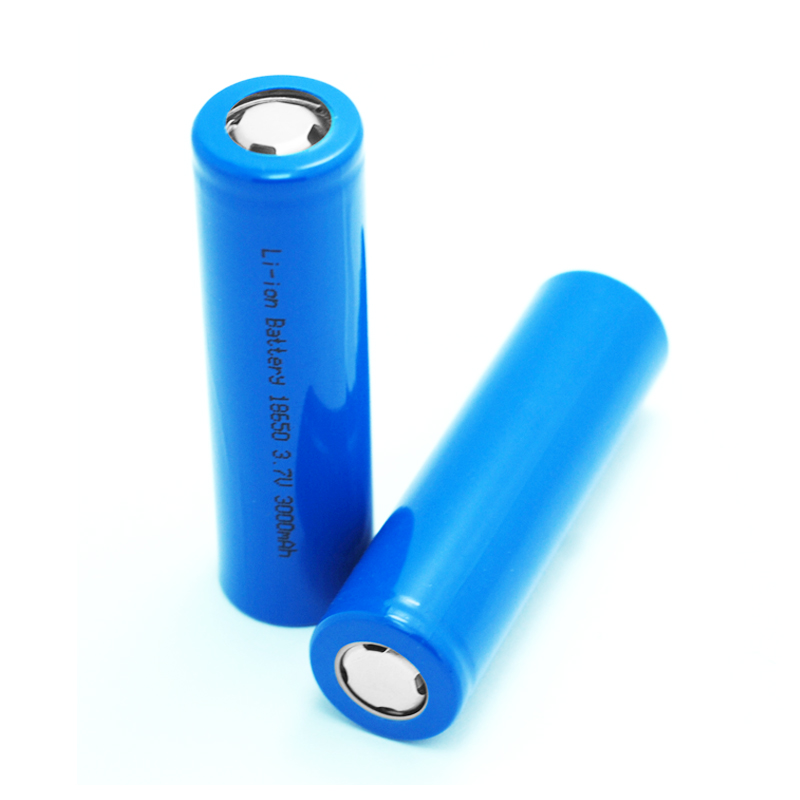
An 18650 li-ion battery is defined by its physical format:
-
18 mm diameter
-
65 mm length
-
Nominal voltage around 3.6–3.7V
The format standardization allows lithium-ion chemistry to be optimized for different use cases while maintaining mechanical compatibility.
Direct conclusion:
“18650” describes size; performance depends on chemistry and design.
⚙️ Why Lithium Batteries 18650 Are Used Across Industries
Lithium batteries 18650 balance:
-
Energy density
-
Manufacturability
-
Thermal control
-
Cost efficiency
This balance explains their adoption in:
-
Power tools
-
E-mobility
-
Medical equipment
-
Energy storage modules
Few formats offer this level of versatility.
🔬 How 18650 Li-Ion Batteries Actually Deliver Energy
While datasheets list rated capacity, real-world output depends on:
-
Discharge current
-
Internal resistance
-
Temperature
-
Aging behavior
A well-designed 18650 bttery maintains voltage stability under load, which often matters more than nominal mAh.
🔥 Power vs Energy: The Hidden Trade-Off
Not all li ion batteries 18650 are built the same:
-
High-energy cells maximize runtime
-
High-power cells prioritize current delivery
-
Hybrid designs compromise between both
Engineering reality:
No 18650 cell excels at everything simultaneously.
🧪 Typical Specification Ranges for 18650 Cells
| Parameter | Common Range |
|---|---|
| Capacity | 2000–3500mAh |
| Nominal Voltage | 3.6–3.7V |
| Continuous Discharge | 5A–35A |
| Cycle Life | 300–800 cycles |
| Chemistry | NMC, NCA, INR |
These ranges explain why cell selection must be application-driven.
🧠 Engineer’s Selection Guide: Choosing the Right 18650 Battery
🔋 Energy-Focused Applications
-
Choose high-capacity cells
-
Moderate discharge rates
-
Prioritize cycle life
⚡ Power-Demanding Systems
-
Low internal resistance
-
Higher discharge ratings
-
Accept lower capacity
🔌 Battery Pack Design
-
Match cells by batch
-
Derate current conservatively
-
Design thermal paths early
Engineering rule:
The best 18650 is the one matched to the load profile—not the label.
⚠️ Common Mistakes When Buying 18650 Batteries
❌ Treating all lithium batteries 18650 as interchangeable
❌ Trusting inflated capacity claims
❌ Ignoring continuous discharge limits
❌ Mixing cells with different aging states
❌ Overlooking protection or BMS requirements
Industry truth:
Most failures come from misuse, not defective cells.
❓ FAQ – Li-Ion Batteries 18650
Q1: Are all 18650 li-ion batteries rechargeable?
Yes, rechargeability is inherent to lithium-ion chemistry.
Q2: What is the safest way to use an 18650 bttery?
Use a proper charger, respect voltage limits, and avoid overheating.
Q3: Do higher mAh ratings mean better batteries?
Only for low-current applications. High load changes the equation.
Q4: How can I identify authentic lithium batteries 18650?
Buy from verified suppliers with traceable datasheets and batch codes.
📞 CTA – Source Verified 18650 Li-Ion Batteries
If you need:
-
Authentic li ion batteries 18650
-
Application-matched cell selection
-
Consistent quality for packs or OEM use
-
Engineering-level technical support
👉 Contact us to choose the right 18650 battery for your system.
Related Articles
21700 vs 18650: Which Battery Format Is Better for Real Applications?
Are 18650 LiFePO4 Cells the Safest 3.2V Choice?
Can you use any 18650 battery for vaping?
What Is the Best 18650 Battery for Flashlight?