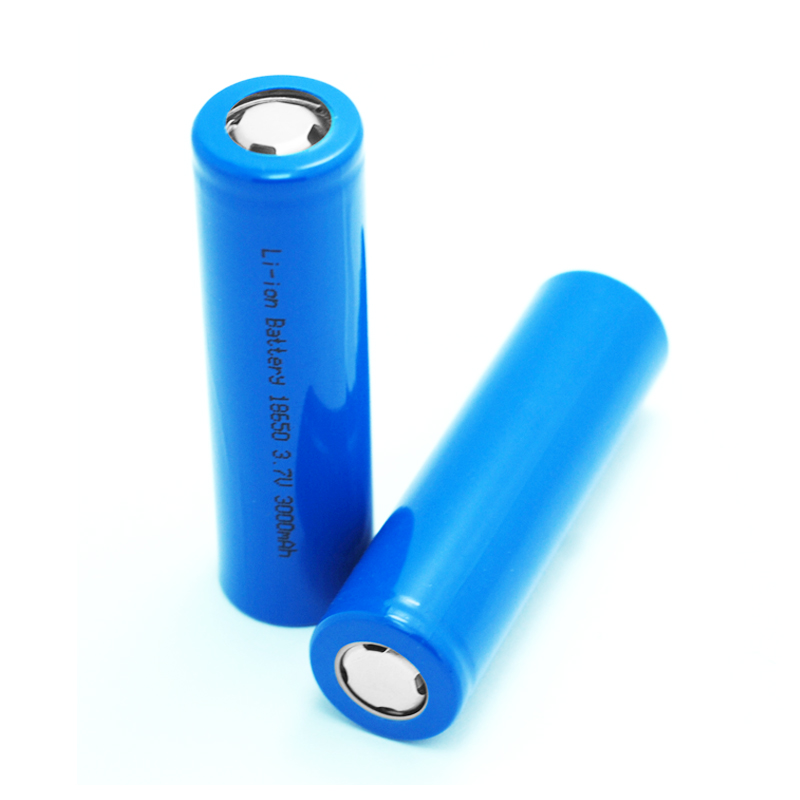
❓ 18350 vs 18650: Which Battery Size Fits Your Device?
📌 Abstract
Choosing between 18350 vs 18650 batteries is not just about size—it directly affects runtime, current capability, and thermal behavior. This guide breaks down 18350 battery vs 18650 performance, explains 18650 vs 18350 battery size differences, and places 18350 vs 18500 vs 18650 in a clear engineering context for real-world applications.
🔋 What Is the Physical Difference Between 18350 and 18650?
The key distinction in 18650 vs 18350 battery size is length:
| Battery Type | Diameter | Length |
|---|---|---|
| 18350 | 18 mm | 35 mm |
| 18500 | 18 mm | 50 mm |
| 18650 | 18 mm | 65 mm |
Same diameter. Different energy volume.
Direct conclusion:
Length determines capacity headroom and thermal margin.
⚙️ How Does 18350 Battery vs 18650 Performance Compare?
In real electrical terms:
-
18350 cells deliver shorter runtime
-
18650 cells support higher sustained output
-
Internal resistance is typically higher in shorter cells
An 18350 vs 18650 decision always involves compromise.
🔥 Capacity and Runtime: What Changes in Practice?
Typical capacity ranges:
-
18350: ~700–1200mAh
-
18500: ~1200–2000mAh
-
18650: ~2000–3500mAh
More length equals more active material—and longer runtime.
Engineering reality:
Smaller cells heat faster under the same load.
🔌 Current Handling and Thermal Stability
Shorter cells like 18350:
-
Reach thermal limits sooner
-
Require conservative discharge rates
-
Are sensitive to enclosure design
18650 cells dissipate heat more effectively due to larger surface area and mass.
🧠 Engineer’s Selection Guide: 18350 vs 18500 vs 18650
🔦 Choose 18350 If:
-
Space is extremely limited
-
Runtime is secondary
-
Load is intermittent
🔋 Choose 18500 If:
-
You need a balance between size and runtime
-
Device length allows modest growth
⚡ Choose 18650 If:
-
Runtime matters
-
Load is continuous
-
Thermal stability is critical
Engineering rule:
Battery size should follow load profile, not device aesthetics.
⚠️ Common Mistakes When Comparing Battery Sizes
❌ Assuming same voltage means same performance
❌ Ignoring heat buildup in compact designs
❌ Replacing 18650 with 18350 without current derating
❌ Mixing 18350 and 18650 cells in packs
❌ Overlooking protection circuit length differences
Industry truth:
Size mismatches cause more failures than bad cells.
❓ FAQ – 18350 vs 18650 Batteries
Q1: Can I replace an 18650 with an 18350?
Only if the device supports lower capacity and current.
Q2: Is 18500 a good compromise size?
Yes, when device length allows and runtime is moderate.
Q3: Do all three use the same voltage?
Nominal voltage is similar, performance is not.
Q4: Which size lasts the longest?
18650, by a wide margin under comparable load.
📞 CTA – Choose the Right Battery Size with Confidence
Need help selecting between:
-
18350 vs 18650
-
Compact vs long-runtime designs
-
Safe replacements and compatible sizes
👉 Contact us for expert guidance on choosing the right cylindrical battery size.
Related Articles
Where can i buy 18650 batteries?
Are 18650 LiFePO4 Cells the Safest 3.2V Choice?
Can you use any 18650 battery for vaping?
What Is the Best 18650 Battery for Flashlight?