❓ What Makes a Lithium Cell 18650 Reliable Today?
📌 Abstract
The lithium cell 18650 remains the backbone of modern portable power, but not all cells perform—or age—the same. This page explains how a true 18650 li ion cell behaves electrically, what defines a quality battery 18650 rechargeable, and where an IMR 18650 battery fits compared to other chemistries used in high-demand applications.
🔋 What Is a 18650 Li-Ion Battery?
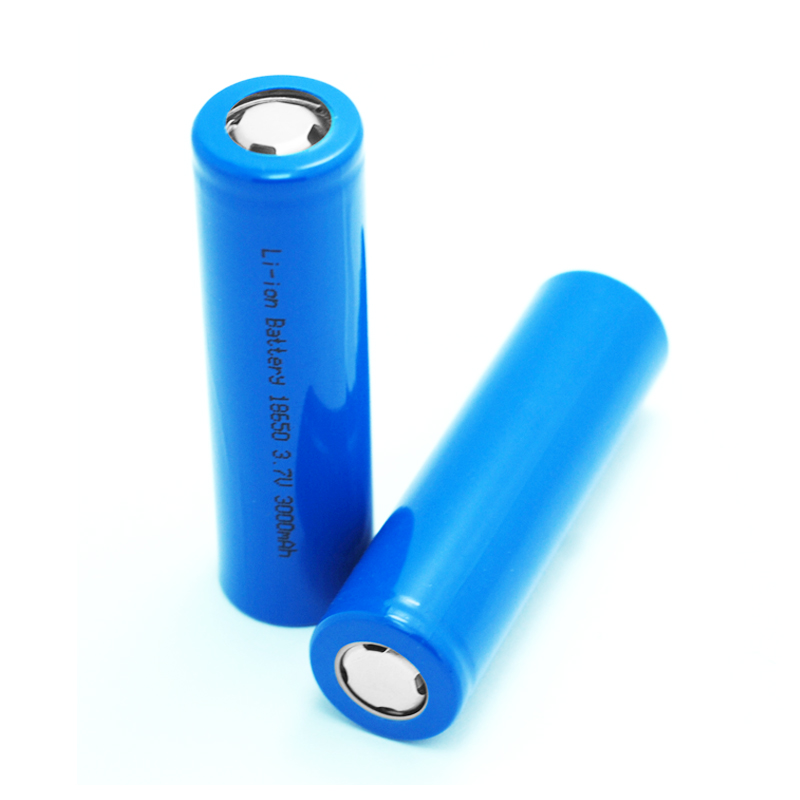
An 18650 li ion battery is a cylindrical lithium-ion cell defined by:
-
18 mm diameter
-
65 mm length
-
Nominal voltage of 3.6–3.7 V
The format is standardized; performance is not.
Direct conclusion:
Size is fixed. Chemistry determines everything else.
⚙️ Why 18650 Batteries Are Rechargeable by Design
A battery 18650 rechargeable relies on reversible lithium-ion movement between electrodes.
Key benefits:
-
High energy density
-
Stable voltage profile
-
No memory effect
-
Hundreds of charge cycles
However, rechargeability demands precise charging and thermal control.
🔥 What Is an IMR 18650 Battery?
An IMR 18650 battery uses manganese-rich cathode chemistry optimized for:
-
High discharge current
-
Improved thermal stability
-
Lower internal resistance
This makes IMR cells suitable for high-drain devices where current matters more than runtime.
Engineering reality:
IMR trades capacity for current and safety margin.
🧪 Comparing Common 18650 Chemistries
| Chemistry | Strength | Typical Use |
|---|---|---|
| IMR | High current | Vapes, tools |
| INR/NMC | Balanced | General electronics |
| NCR/NCA | High energy | Storage, mobility |
Choosing the wrong chemistry often causes premature failure.
🧠 Engineer’s Selection Guide: Choosing the Right 18650 Cell
🔋 Energy-Focused Applications
-
High-capacity Li-ion cells
-
Moderate discharge rates
-
Emphasis on cycle life
⚡ Power-Focused Applications
-
IMR 18650 battery
-
Verified continuous discharge rating
-
Conservative thermal design
🔌 Pack Design
-
Match cells by batch and age
-
Use appropriate BMS protection
-
Design for heat dissipation
Engineering rule:
The safest cell is the one matched to the load profile.
⚠️ Common Mistakes When Buying 18650 Batteries
❌ Assuming all lithium cell 18650 types are interchangeable
❌ Using IMR cells where energy density is needed
❌ Ignoring continuous discharge ratings
❌ Mixing chemistries in one battery pack
❌ Charging with non-Li-ion chargers
Industry truth:
Application mismatch causes most battery failures.
❓ FAQ – Lithium Cell 18650
Q1: Are all 18650 batteries rechargeable?
Yes, rechargeability is inherent to lithium-ion chemistry.
Q2: Is an IMR 18650 battery safer?
IMR offers better thermal stability but still requires proper use.
Q3: Can I replace any 18650 with an IMR cell?
Only if voltage and current requirements align.
Q4: How long does a rechargeable 18650 last?
Typically 300–800 cycles, depending on usage.
📞 CTA – Source the Right 18650 Lithium Cell
Looking for:
-
Authentic lithium cell 18650
-
Verified IMR 18650 battery options
-
Reliable rechargeable performance
-
Engineering-level selection support
👉 Contact us to choose the correct 18650 Li-ion battery for your application.
Related Articles
Can 18650 batteries be customized for voltage or capacity?
Are 18650 LiFePO4 Cells the Safest 3.2V Choice?
What Do 18650 Battery Specifications Really Tell You About Performance?
18650, 14500, or 16340: Which Battery Size Fits Best?