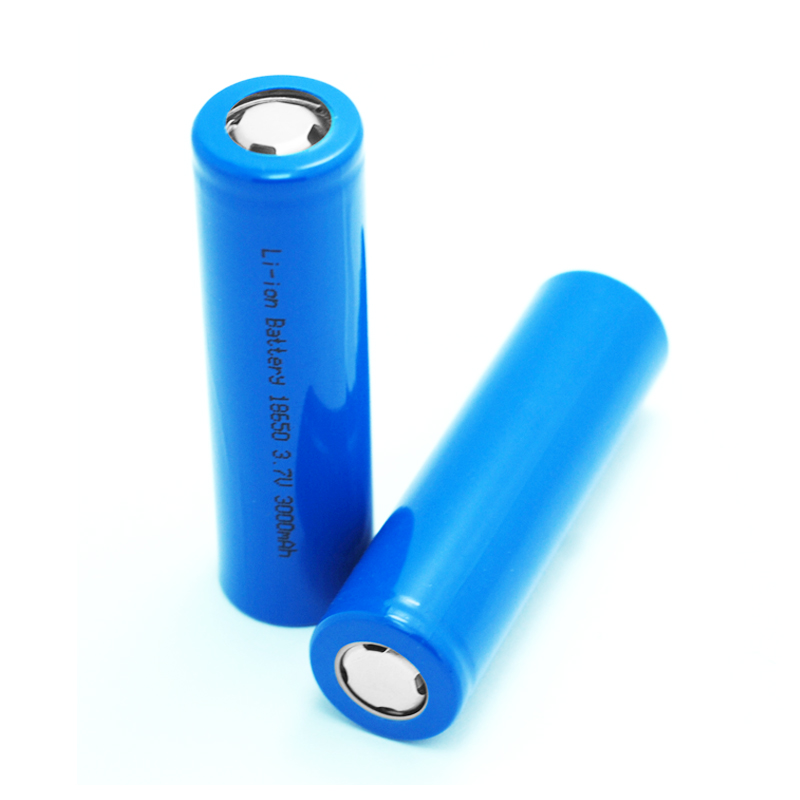
What testing is done before 18650 batteries leave the factory?
🔎 Abstract
Before an 18650 cell is approved for shipment, it goes through a tightly controlled testing chain that verifies capacity, discharge behavior, internal resistance, and load performance. These tests are not marketing checkboxes—they are process gates tied directly to yield, safety margin, and downstream pack consistency. Below is a factory-level breakdown of how professional manufacturers use battery capacity tester 18650, 18650 battery discharge tester, 18650 battery load tester, and 18650 internal resistance tester to qualify cells before release.
🧪 Incoming Cell Formation & Aging Check
After formation cycling and aging, cells are stabilized before any final measurement. This step filters out early-life defects that no tester can “fix” later.
-
Rest period under controlled temperature
-
Voltage rebound verification
-
Self-discharge screening
Cells that drift here never enter final test lines.
⚡ Capacity Testing (Battery Capacity Tester 18650)
Capacity testing is the primary gate.
-
Standard charge: CC-CV to 4.2V
-
Rest: 10–30 minutes (model dependent)
-
Discharge: fixed current to cut-off voltage
A calibrated battery capacity tester 18650 logs mAh, Wh, curve stability, and delta vs nominal.
Conclusion: If capacity is out of spec, the cell is downgraded or rejected—no exceptions.
🔋 Discharge Performance Validation (18650 Battery Discharge Tester)
Capacity alone is not enough. Discharge behavior under load defines real usability.
-
Multiple C-rate discharges (0.2C, 0.5C, 1C)
-
Voltage sag analysis
-
Thermal rise correlation
An 18650 battery discharge tester reveals weak electrodes and poor electrolyte wetting long before field failure.
🧠 Internal Resistance Measurement (18650 Internal Resistance Tester)
Internal resistance (IR) is the fastest predictor of cycle life and pack balance.
-
AC IR measurement (1kHz typical)
-
DC pulse confirmation for high-power cells
-
Sorting into tight IR bins
Factories rely on a dedicated 18650 internal resistance tester because even small IR spread causes imbalance in series packs.
🏋️ Load & Stress Testing (18650 Battery Load Tester)
For power-oriented cells, static data is not enough.
-
Pulse load simulation
-
Continuous high-current draw
-
Recovery voltage tracking
An 18650 battery load tester confirms whether the cell survives real-world stress without abnormal heating or voltage collapse.
📊 Final Sorting, Traceability & QA Release
Only after all test data aligns:
-
Capacity + IR bin matching
-
Barcode-linked test records
-
Statistical sampling review
Cells are released with full traceability back to formation lot and test channel.
🛠️ Engineer’s Selection Advice (Testing Equipment Perspective)
If you are specifying test equipment or auditing a supplier:
-
Prioritize testers with independent channel calibration
-
Demand raw curve export, not just pass/fail
-
Match discharge profiles to your real load, not catalog values
For pack design, always request capacity + IR histograms, not averages.
⚠️ Common Misconceptions
-
“Rated capacity equals usable capacity” → False under load
-
“One tester can do everything” → Leads to blind spots
-
“IR only matters for power tools” → Wrong for any series pack
❓ FAQ
Q1: Is capacity testing enough for quality control?
No. Capacity without IR and discharge validation is incomplete and risky.
Q2: How often are testers calibrated?
Professional factories recalibrate weekly or monthly, depending on throughput.
Q3: Why do cells with similar capacity behave differently in packs?
Internal resistance variation, not capacity, is usually the cause.
Q4: Can third-party labs replicate factory tests?
Partially. Inline production testers capture data that labs often miss.
📣 CTA
Looking to source tested, traceable 18650 cells or need guidance on selecting the right battery capacity tester 18650 for your production line?
👉 Contact our engineering team for real test data, not datasheet promises.
Related Articles
Why Does an 18650 Battery Leak and Is It Dangerous?
What Makes LG 18650 Batteries Trusted by Engineers?
What testing is done before 18650 batteries leave the factory?