What Causes Capacity Variation Between Batches?
🔋 Abstract
Capacity variation between lithium-ion battery batches is a real engineering issue, not a supplier excuse. Even when the model number, datasheet, and nominal 18650 Ah capacity look identical, real-world testing often tells a different story. This page explains why batch-to-batch variation happens, how engineers check 18650 capacity correctly, and what actually matters when interpreting an 18650 battery capacity test—from materials and process drift to formation strategy and test methodology.
⚙️ What “Capacity Variation” Really Means in 18650 Cells
Capacity variation refers to the measurable deviation in usable capacity (mAh) between production batches of the same 18650 cell model. It is not limited to aging cells; it exists even in brand-new cells from the factory.
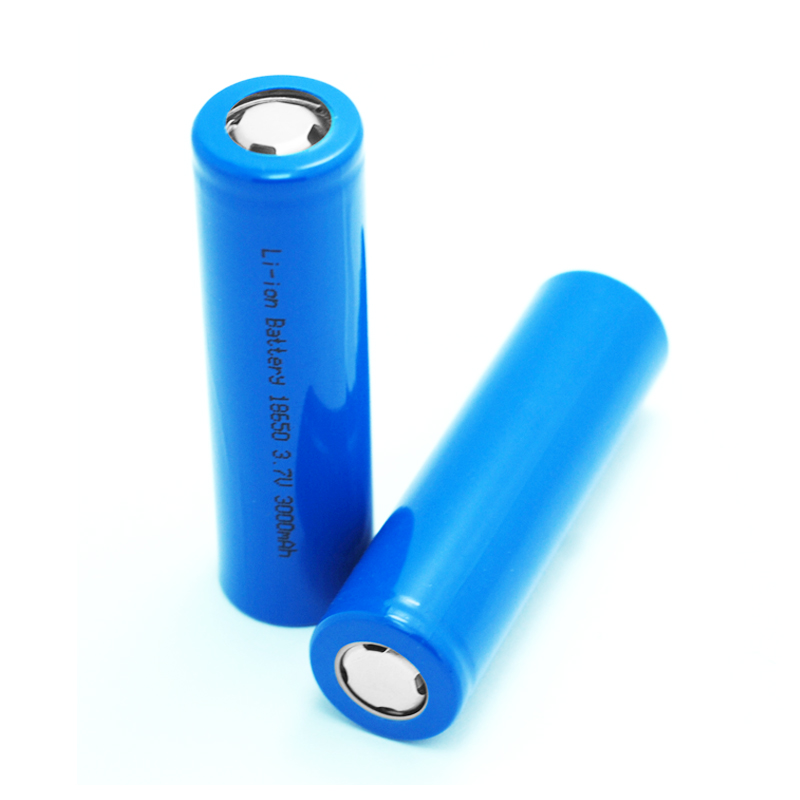
In practice, a cell rated at 3000 mAh may test anywhere from 2850 mAh to 3050 mAh depending on batch conditions, test current, and cutoff voltage. This does not automatically indicate poor quality—it reflects how lithium-ion manufacturing actually works.
🧪 Raw Material Tolerances: The First Source of Drift
Cathode and anode materials are never chemically identical from batch to batch.
-
Cathode particle size distribution affects lithium diffusion paths
-
Binder ratio impacts electrode integrity and active area
-
Graphite morphology changes first-cycle efficiency
These differences alter lithium utilization, directly influencing the capacity of 18650 battery cells before assembly even begins.
Conclusion: If raw materials shift, capacity shifts.
🏭 Process Window Variations During Manufacturing
Even Tier-1 factories operate within tolerance windows, not absolutes.
Key contributors:
-
Coating thickness deviation (±2–3 µm matters)
-
Calendering pressure consistency
-
Electrolyte wetting time
-
Stack vs winding tension control
Small deviations compound. Two batches built weeks apart can legitimately show different 18650 Ah capacity, even under the same part number.
🔄 Formation & Aging Protocol Differences
Formation is where nominal capacity becomes real capacity.
-
Charge/discharge step count
-
Rest intervals
-
Temperature control during SEI formation
A batch formed at 25 °C will not behave identically to one formed at 30 °C. SEI quality changes internal resistance, which changes how much capacity can be extracted during a standard 18650 battery capacity test.
🔍 Testing Methodology: The Most Misunderstood Factor
Many reported “capacity variations” are actually test artifacts.
When engineers check 18650 capacity, results depend on:
-
Discharge rate (0.2C vs 0.5C vs 1C)
-
Cutoff voltage (2.5 V vs 2.75 V vs 3.0 V)
-
Cell temperature during test
-
Rest time before discharge
A 3000 mAh cell tested at 1C will never deliver the same result as at 0.2C. Comparing batches without identical protocols is meaningless.
📊 Why Datasheet Capacity Is Not a Promise
Datasheet capacity is:
-
Measured under specific lab conditions
-
Often listed as typical, not minimum
-
Not intended to represent worst-case production
Professional buyers understand this. Capacity grading bins exist for a reason.
🧠 Engineer’s Selection Advice (From a Pack Design Perspective)
When selecting 18650 cells for production, engineers should:
-
Specify minimum guaranteed capacity, not nominal
-
Lock test conditions into purchase agreements
-
Request batch-level capacity reports
-
Design pack capacity with 3–5% margin
-
Match cells by capacity AND internal resistance, not capacity alone
If capacity consistency matters, cell grading matters more than brand name.
⚠️ Common Misconceptions About 18650 Capacity
-
“Same model = same capacity” ❌
-
“Higher mAh always means better performance” ❌
-
“Capacity loss equals defect” ❌
-
“Factory test = real application result” ❌
Capacity is a system parameter, not a standalone number.
❓ FAQ: 18650 Capacity & Batch Variation
Q: How do manufacturers check 18650 capacity?
A: Through controlled charge/discharge cycles, usually at 0.2C, with fixed cutoff voltages and temperature control.
Q: What is an acceptable batch capacity variation?
A: ±3–5% is common for commercial cells; tighter specs require grading or custom production.
Q: Does higher capacity mean longer cycle life?
A: Often the opposite. Higher energy density usually trades off cycle stability.
Q: Can I rely on datasheet capacity for pack design?
A: No. Always design around tested minimums.
📦 CTA: Need Consistent 18650 Capacity for Your Project?
If you need verified batch data, capacity-matched cells, or engineering support for pack design, contact our technical team. We work with graded cells, controlled testing protocols, and real application requirements—not marketing numbers.
Related Articles
Where can i buy 18650 batteries?
What Makes Li-Ion Batteries 18650 the Industry Standard Today?
Can you use any 18650 battery for vaping?
How can I verify the consistency of a batch of 18650 cells?